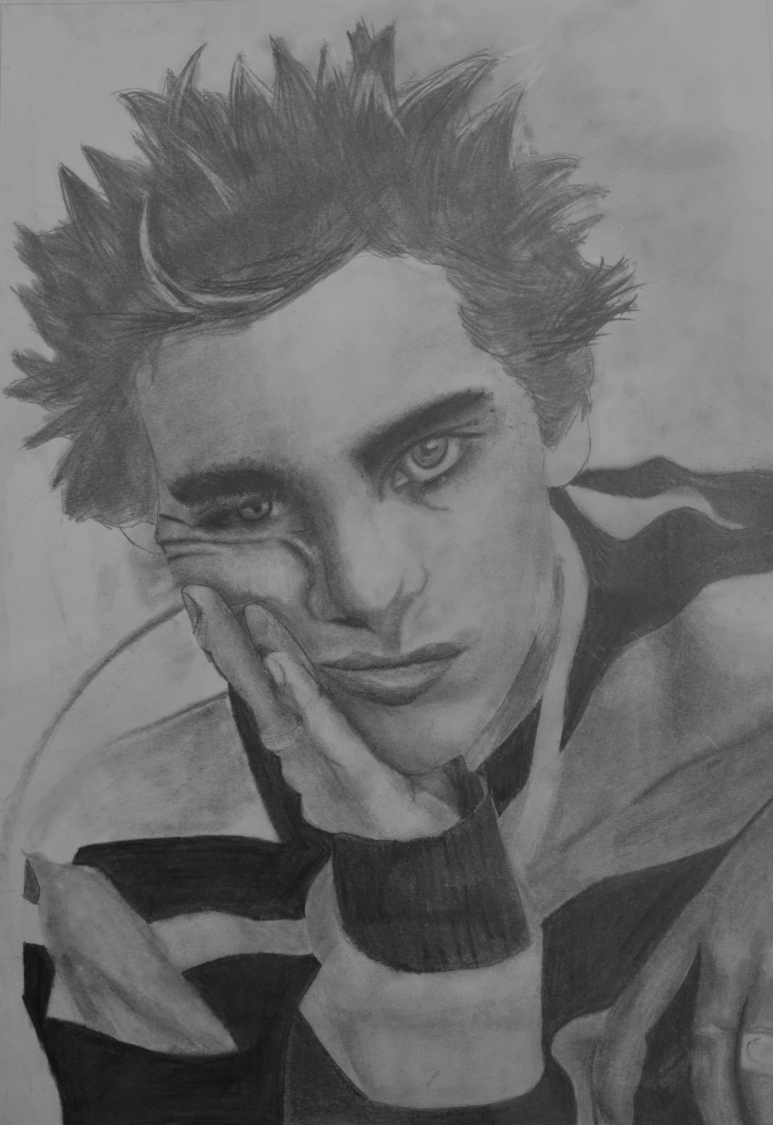
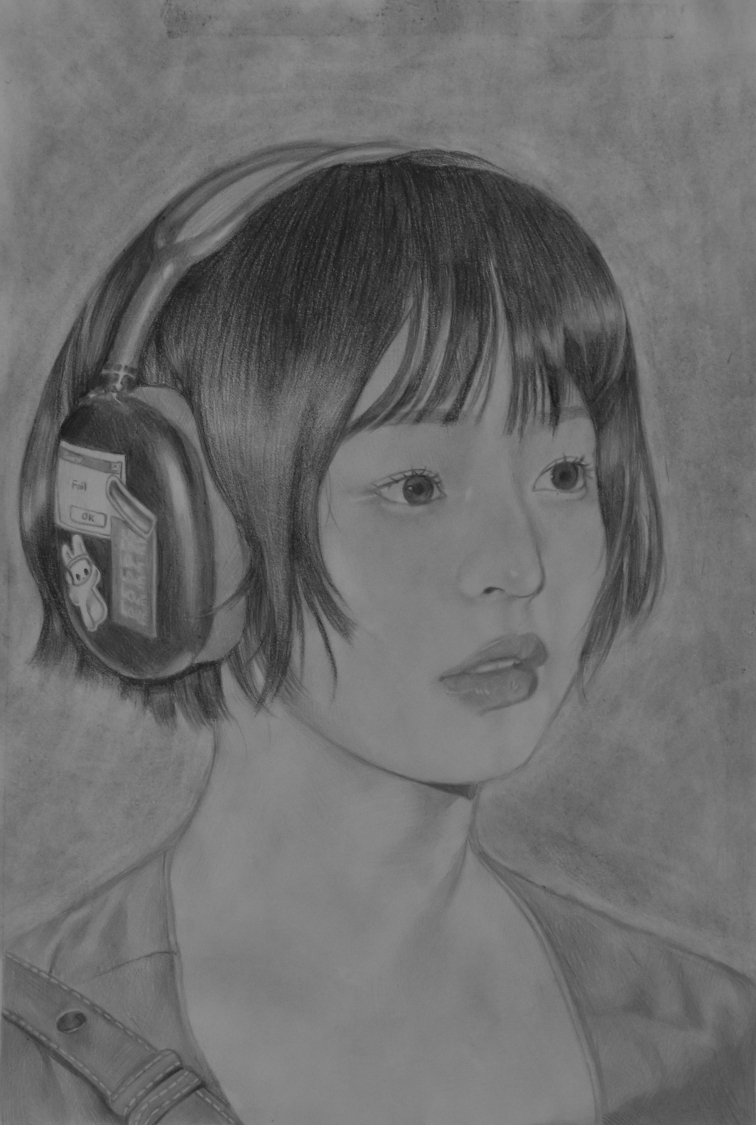
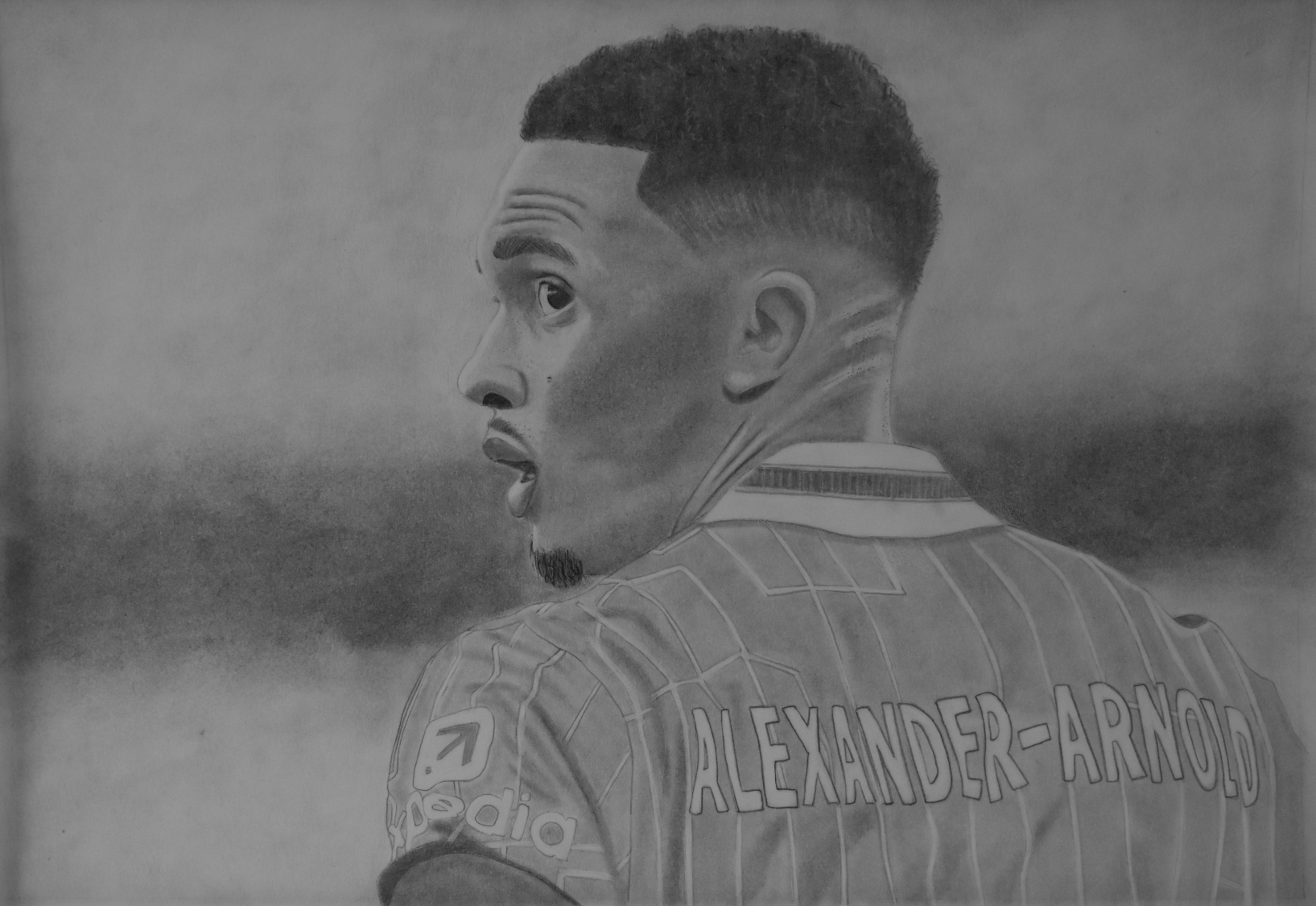
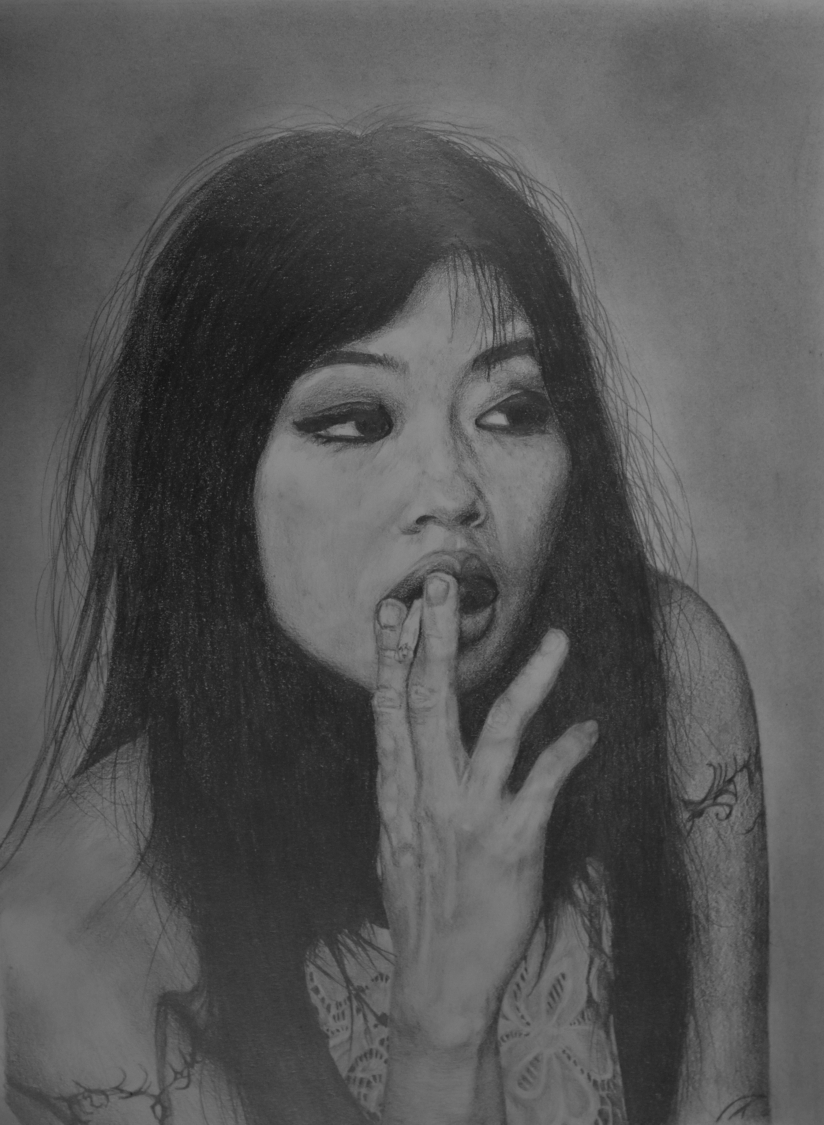
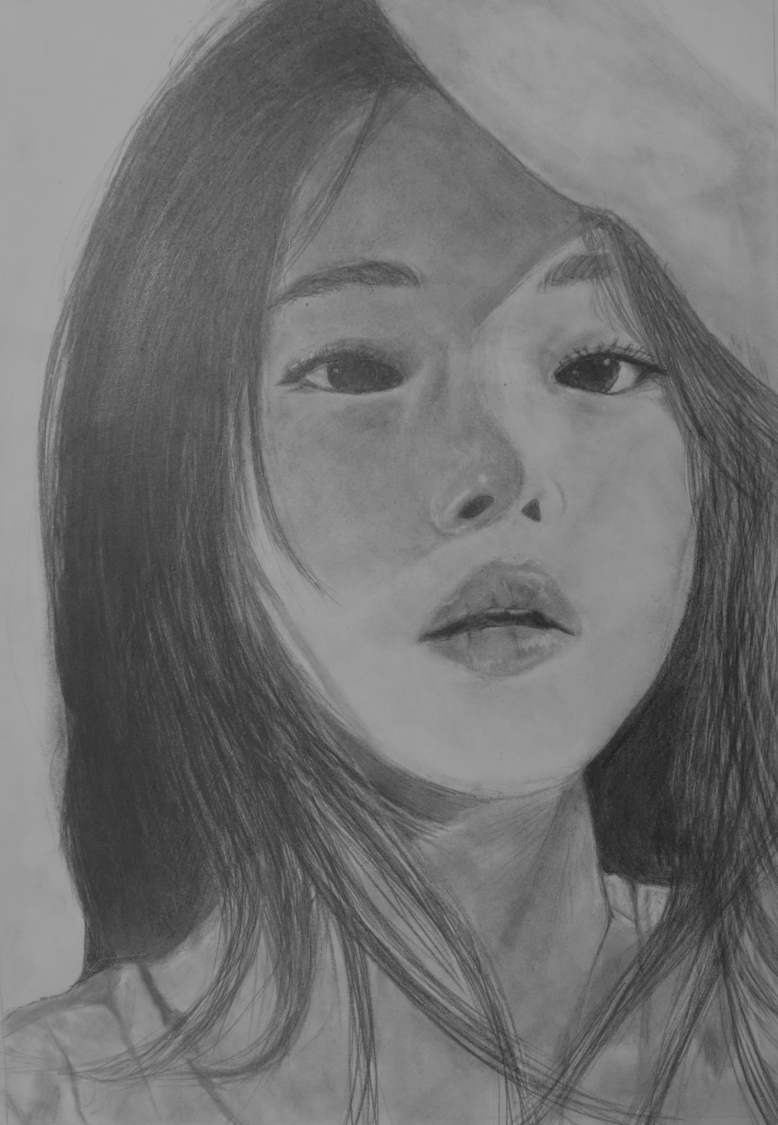
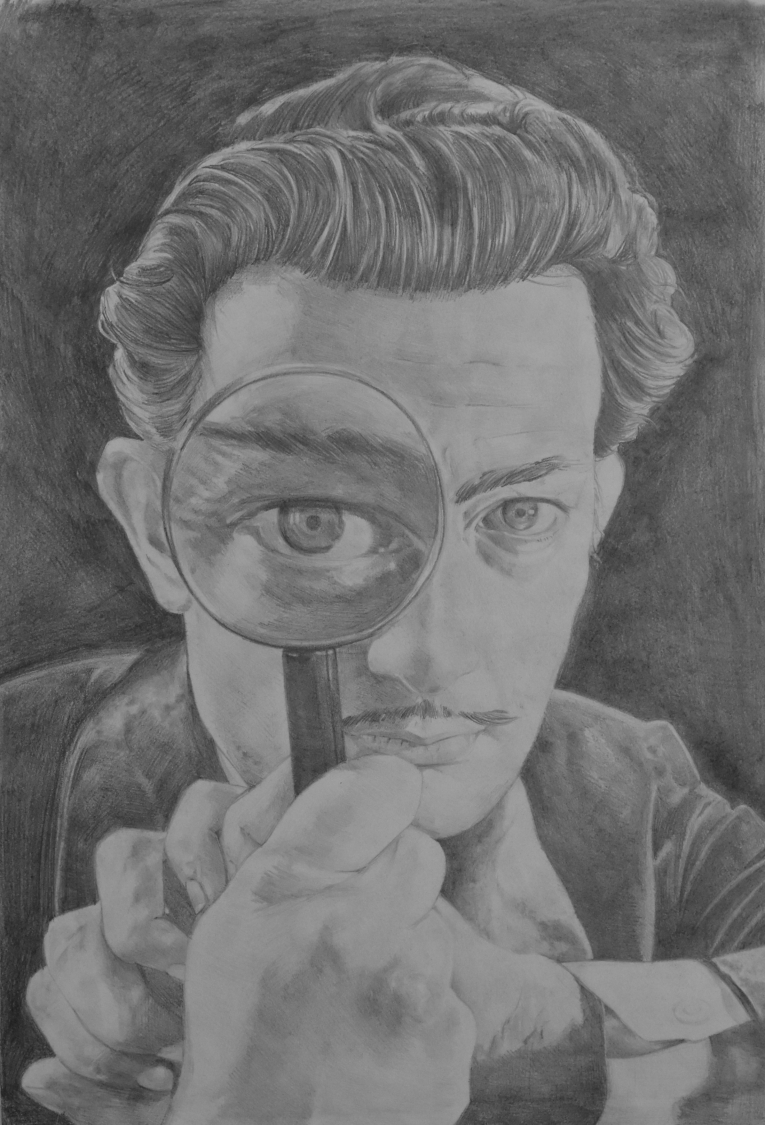
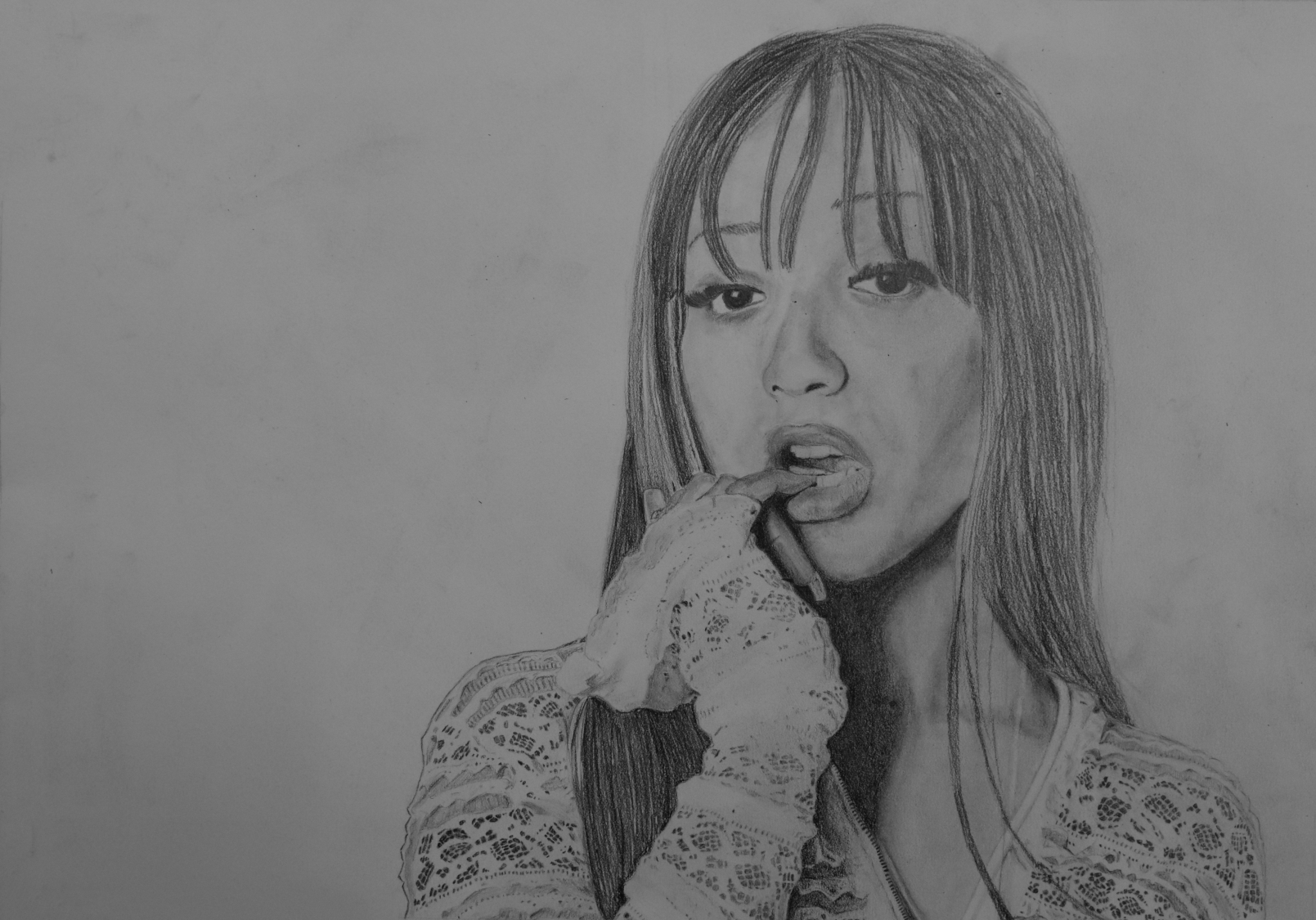
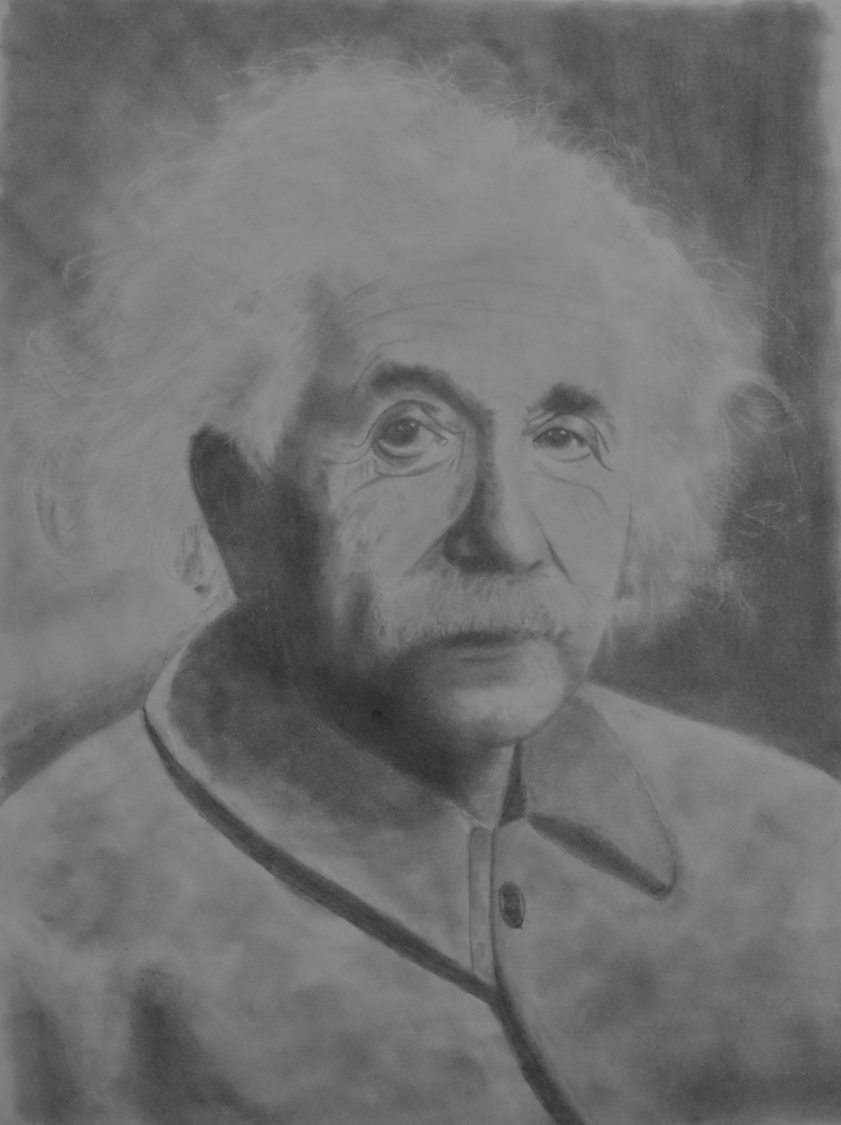
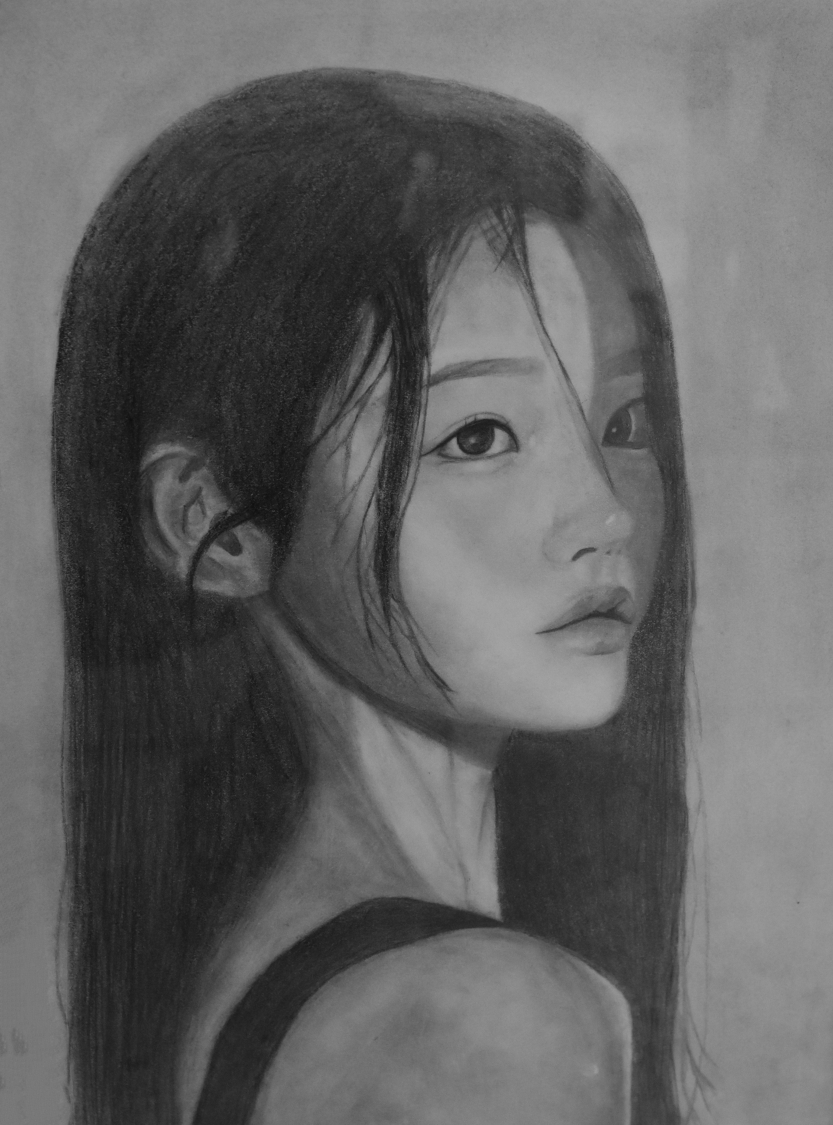
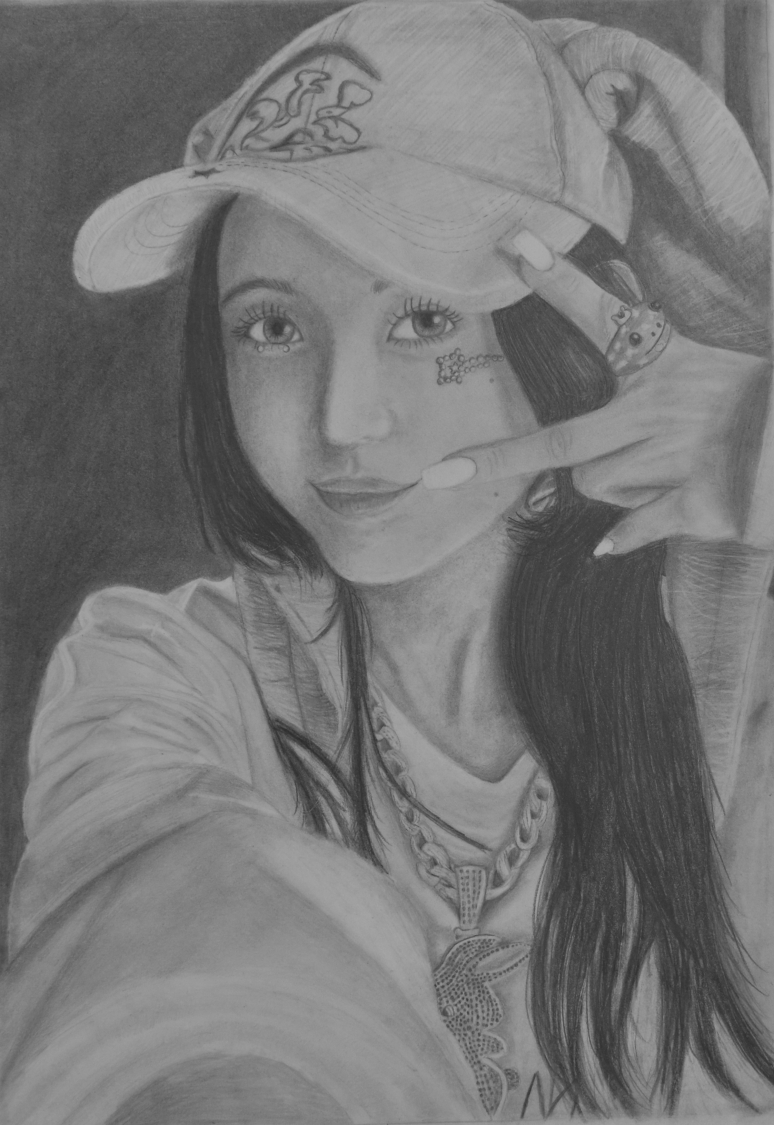
In this unit of work, Students created a half portrait drawing using grey lead pencils. They aimed to develop their observational drawing skills, to develop their rendering skills and to explore the proportions of the face and individual facial features
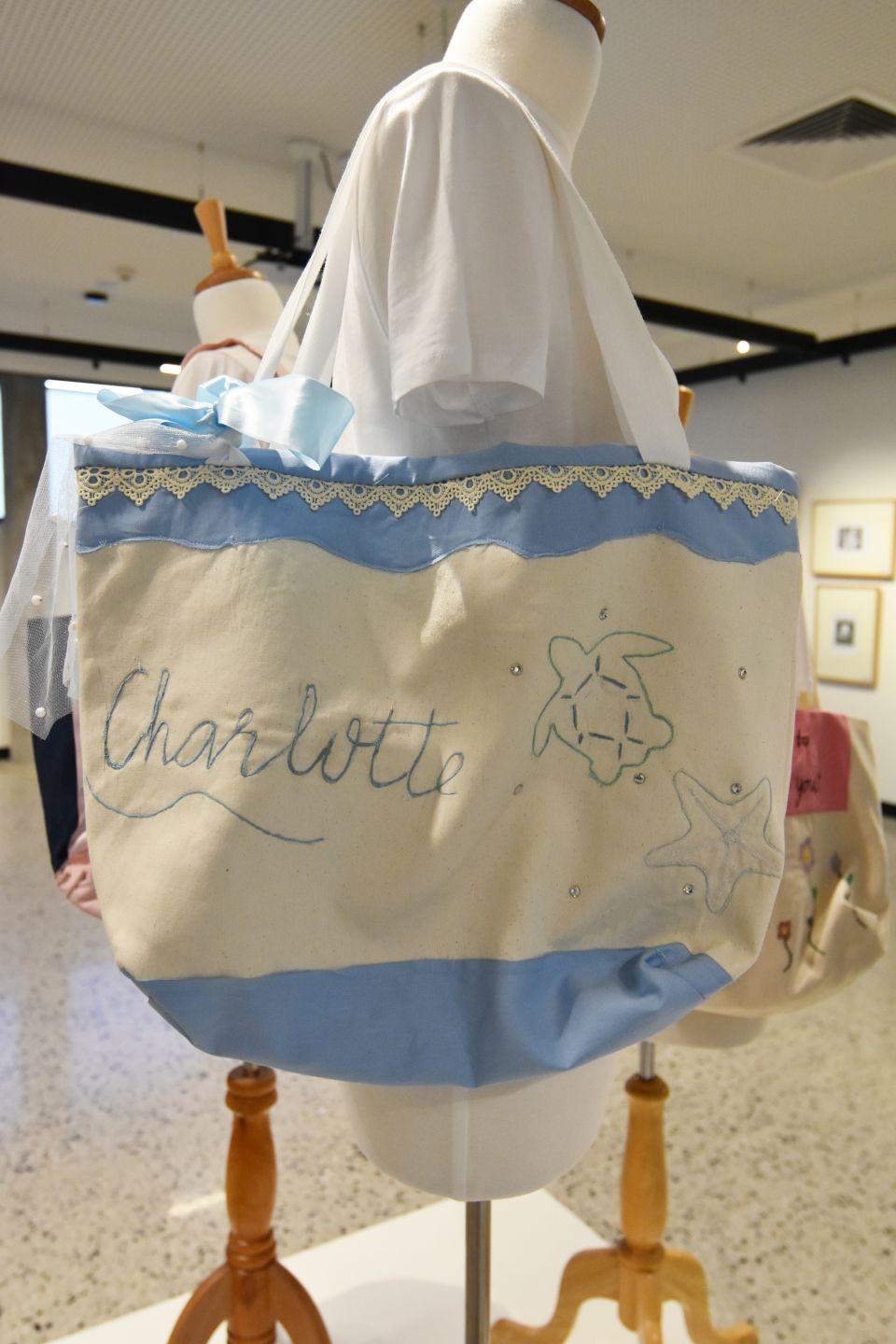
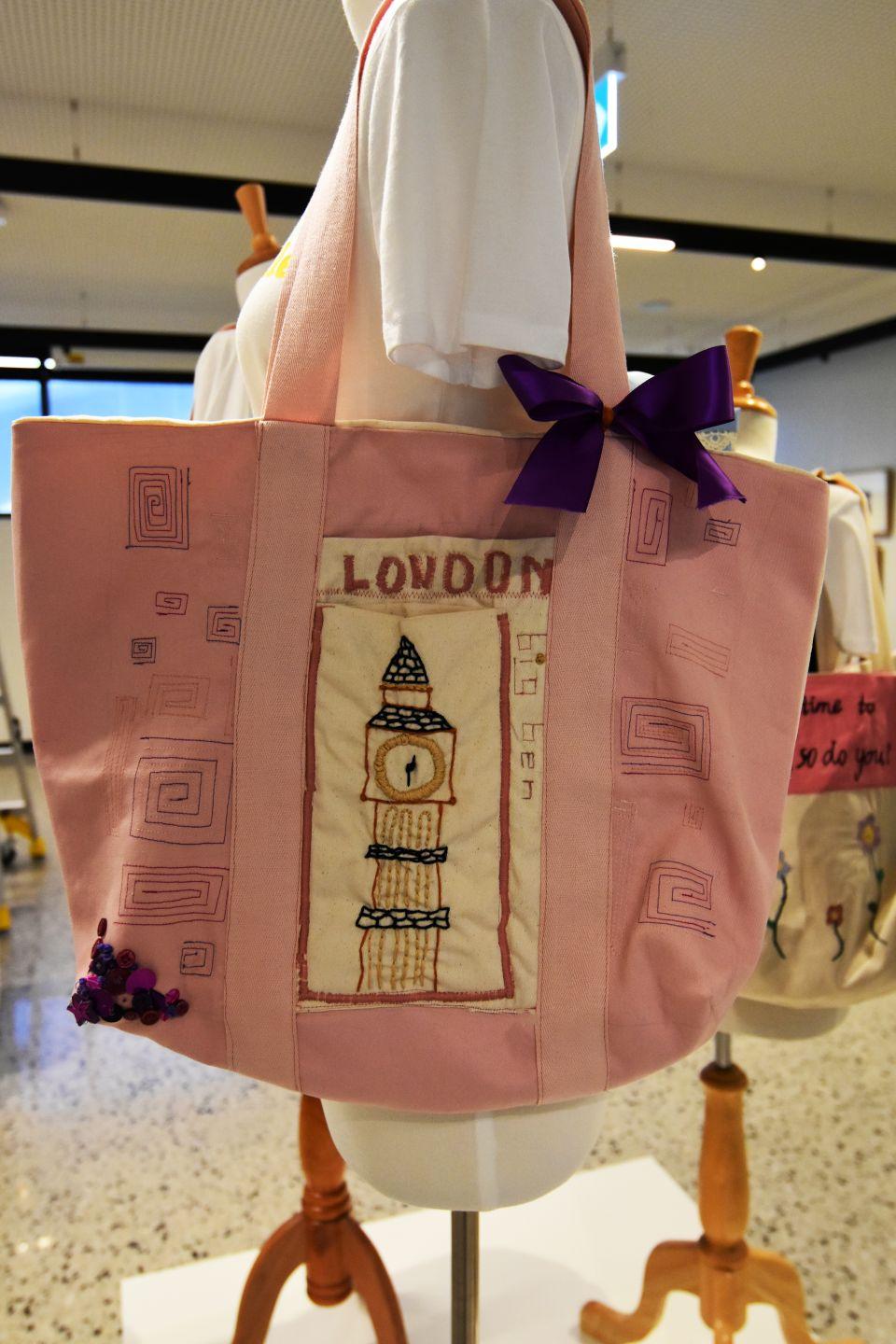
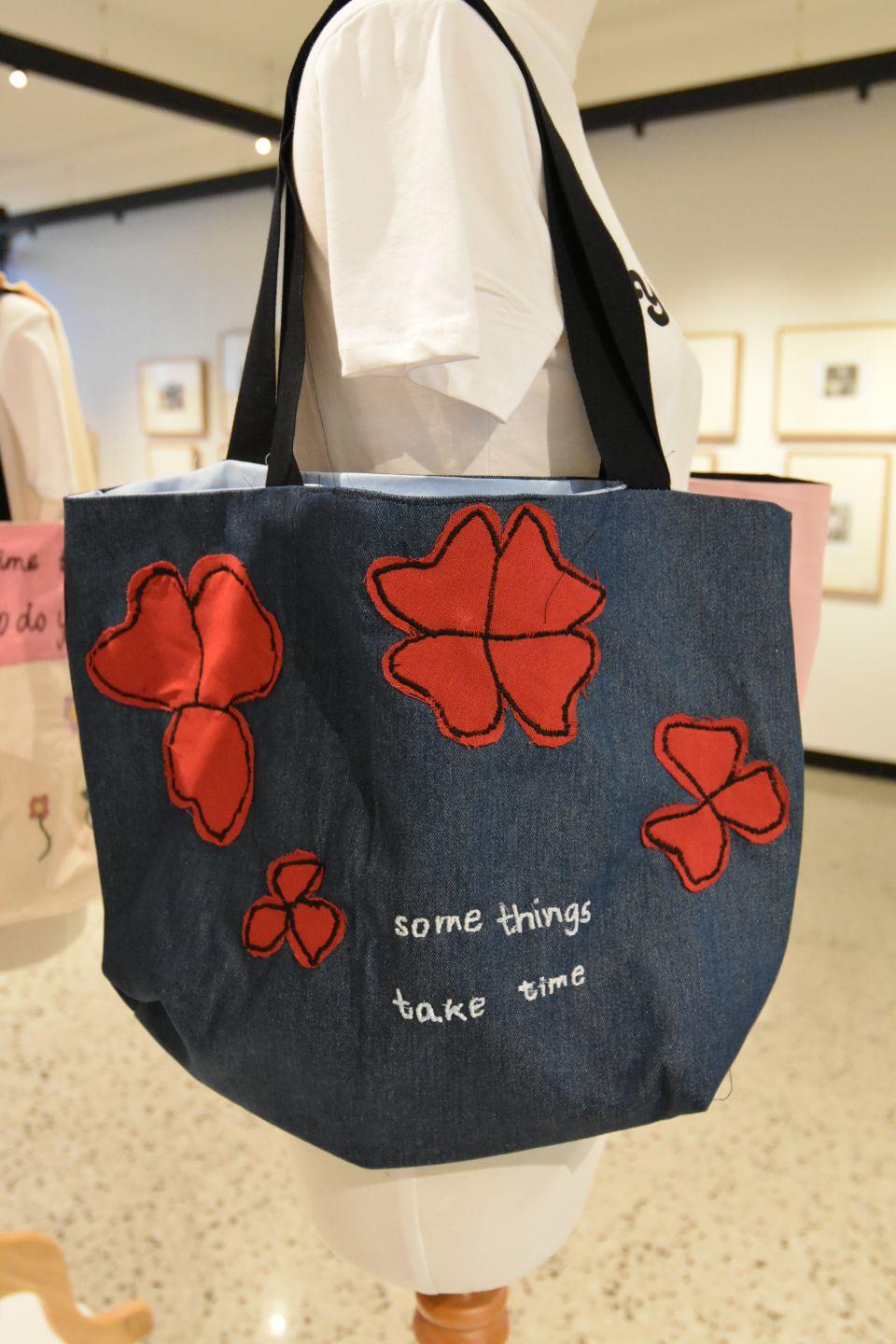
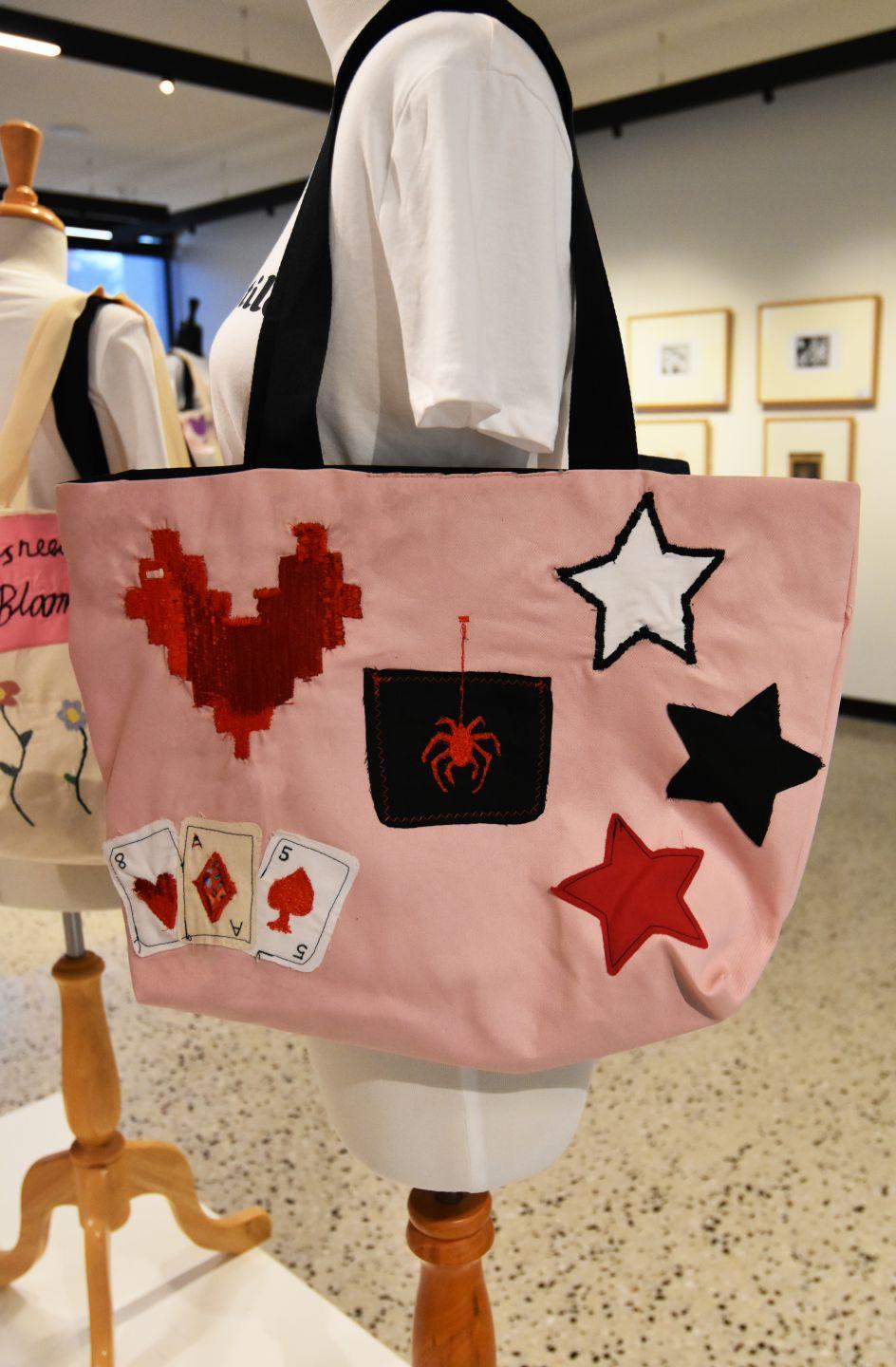
In this unit of work, students developed important skills in learning to use and follow a commercial pattern to create a Tote bag. They also learnt how to read a commercial pattern and the correct way to layout and cut fabric.
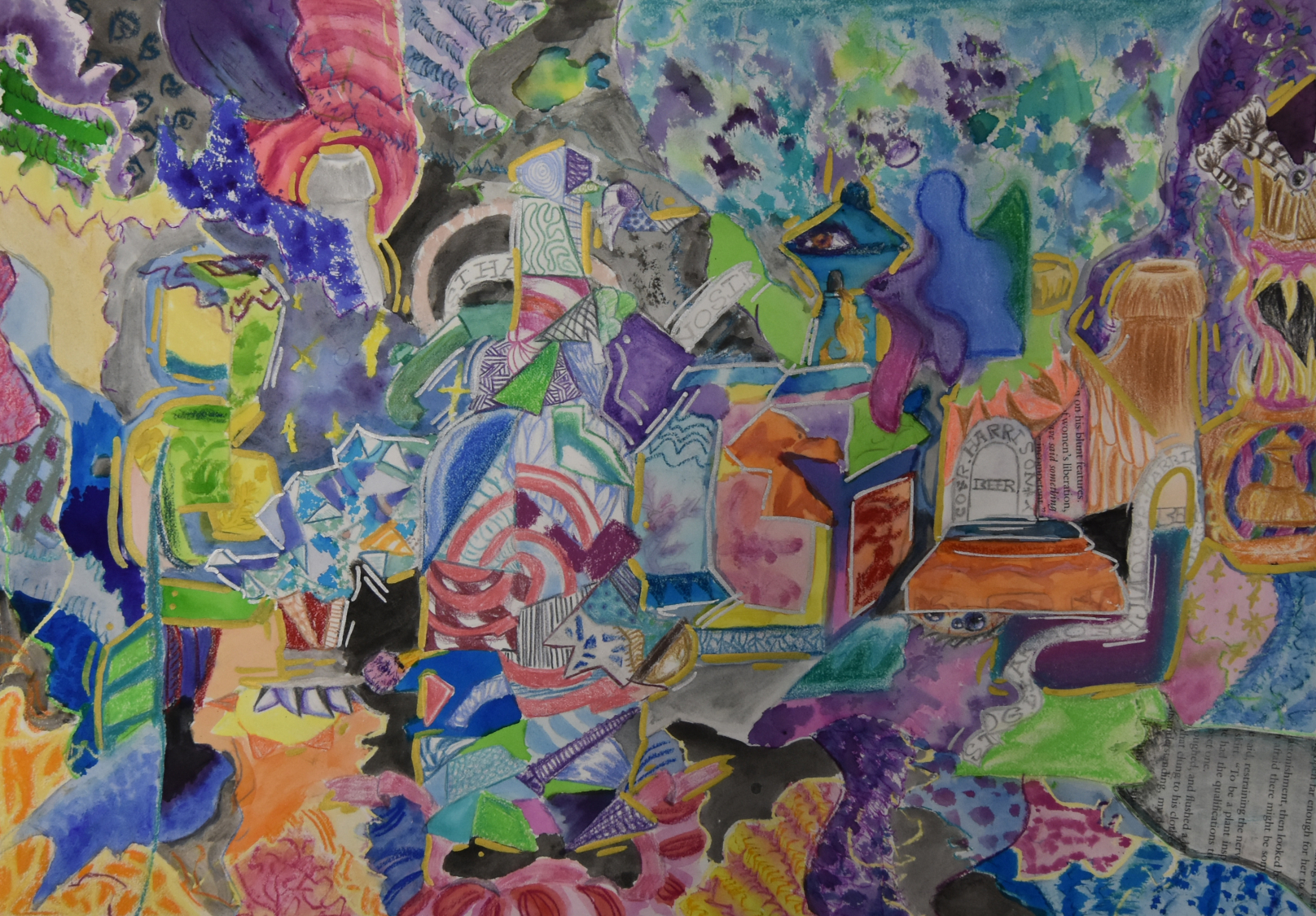
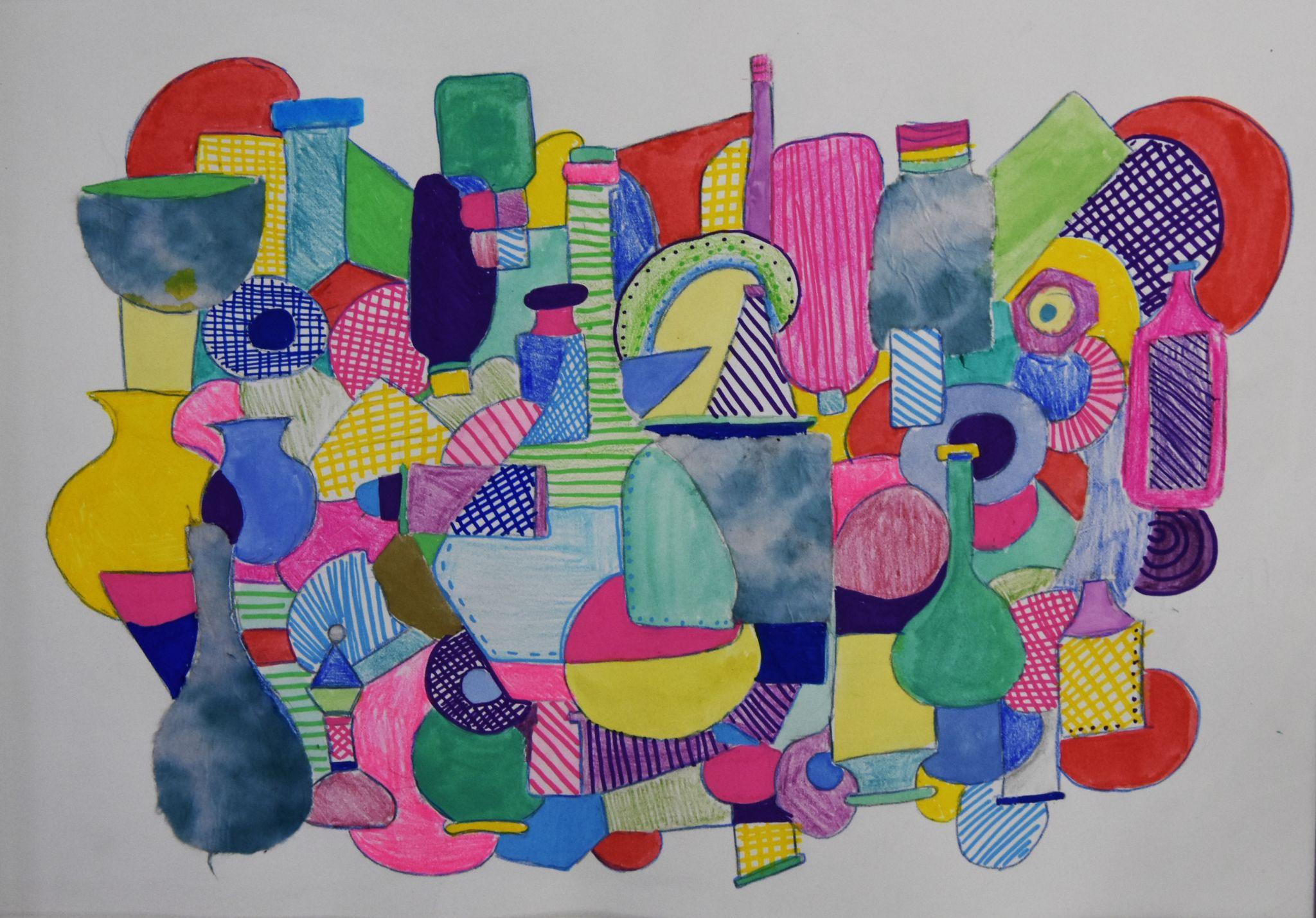
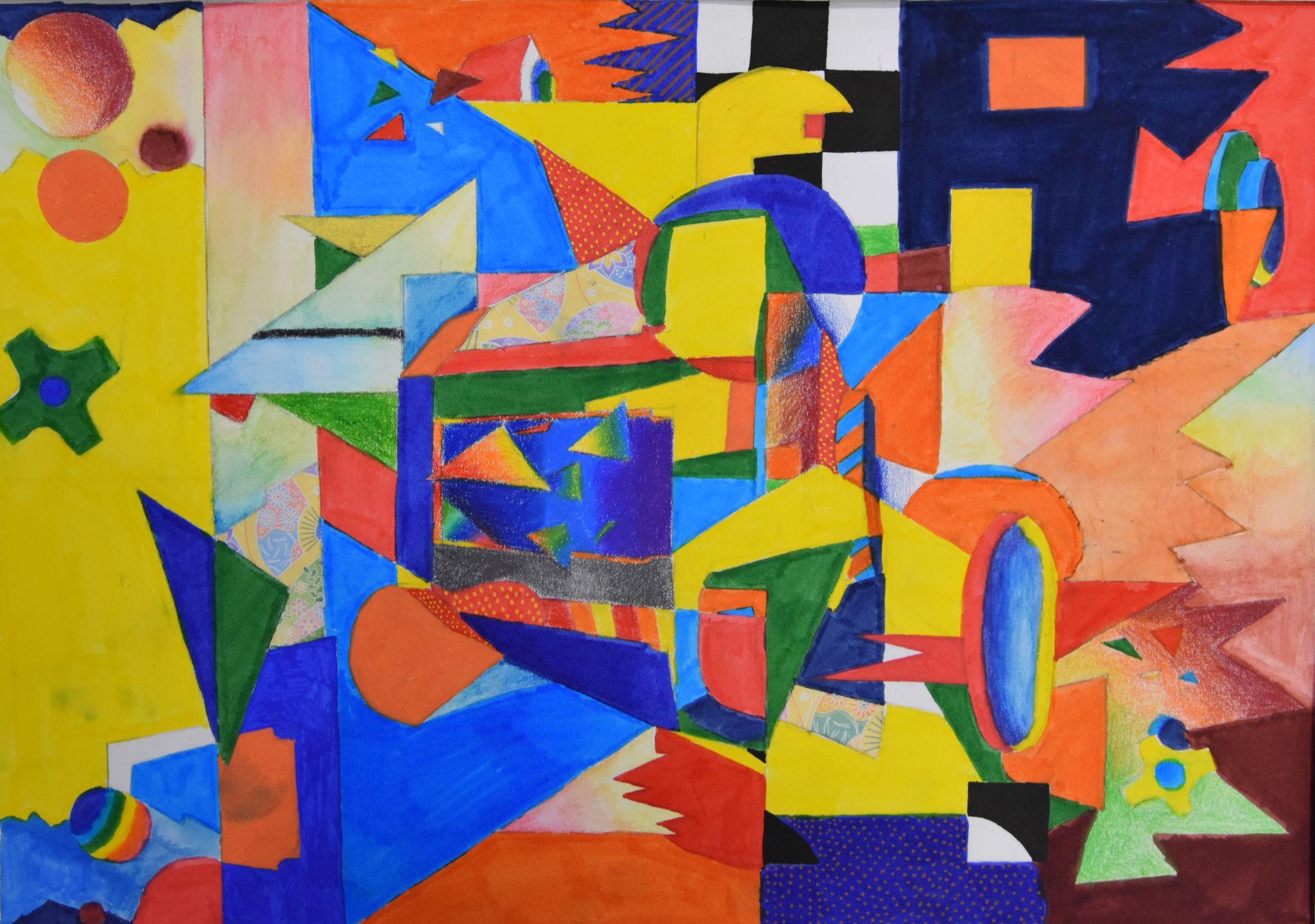
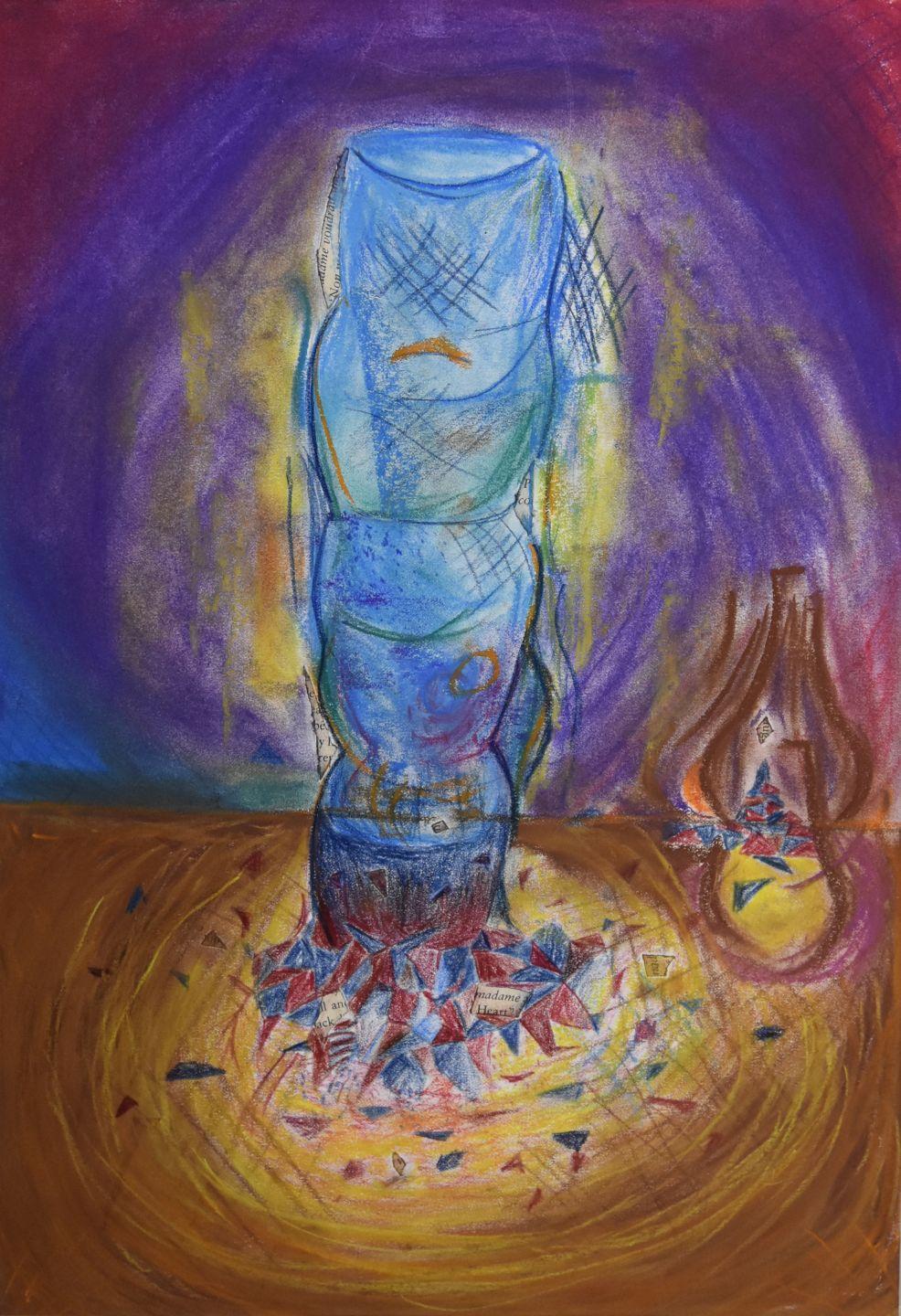
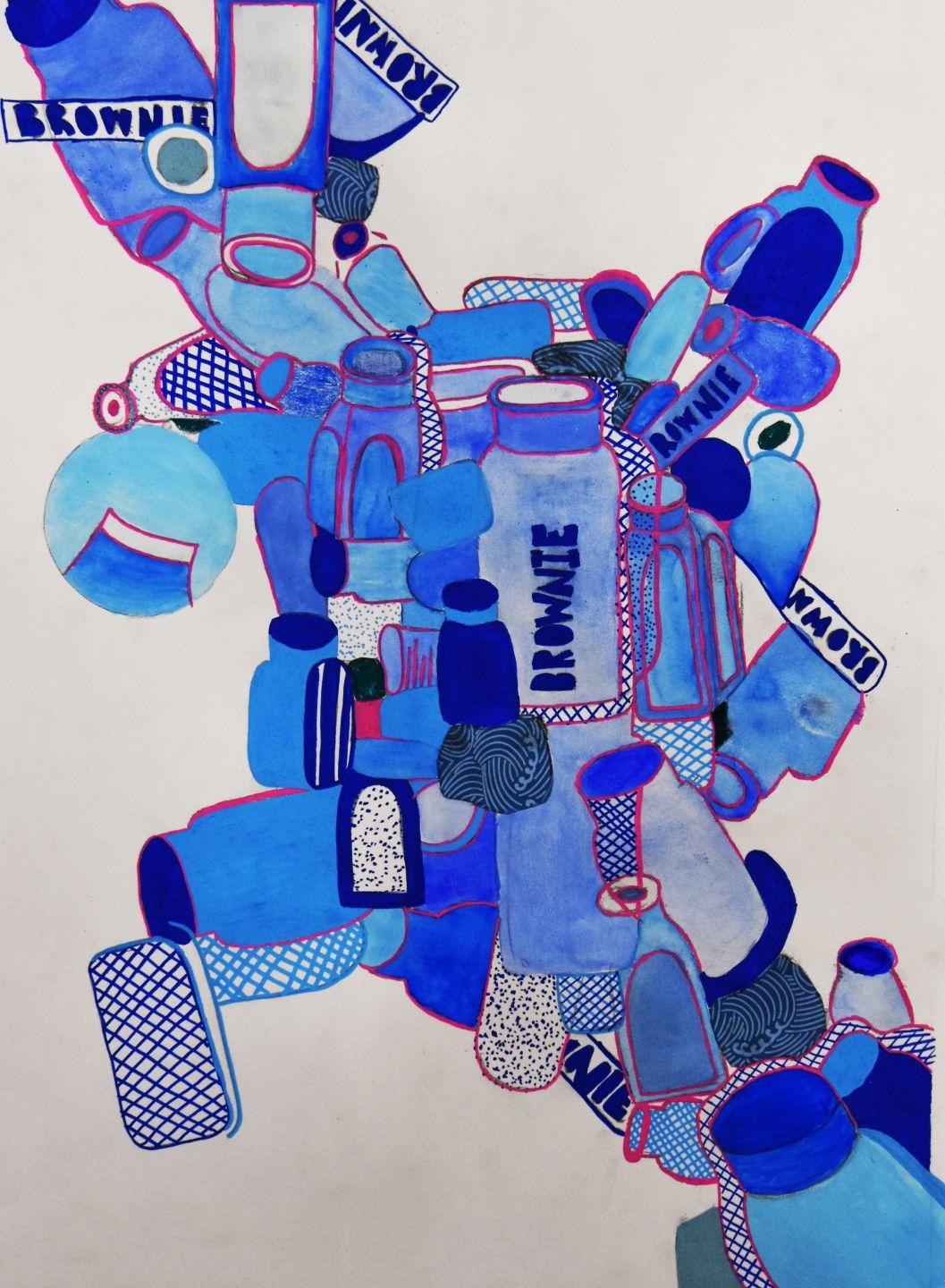
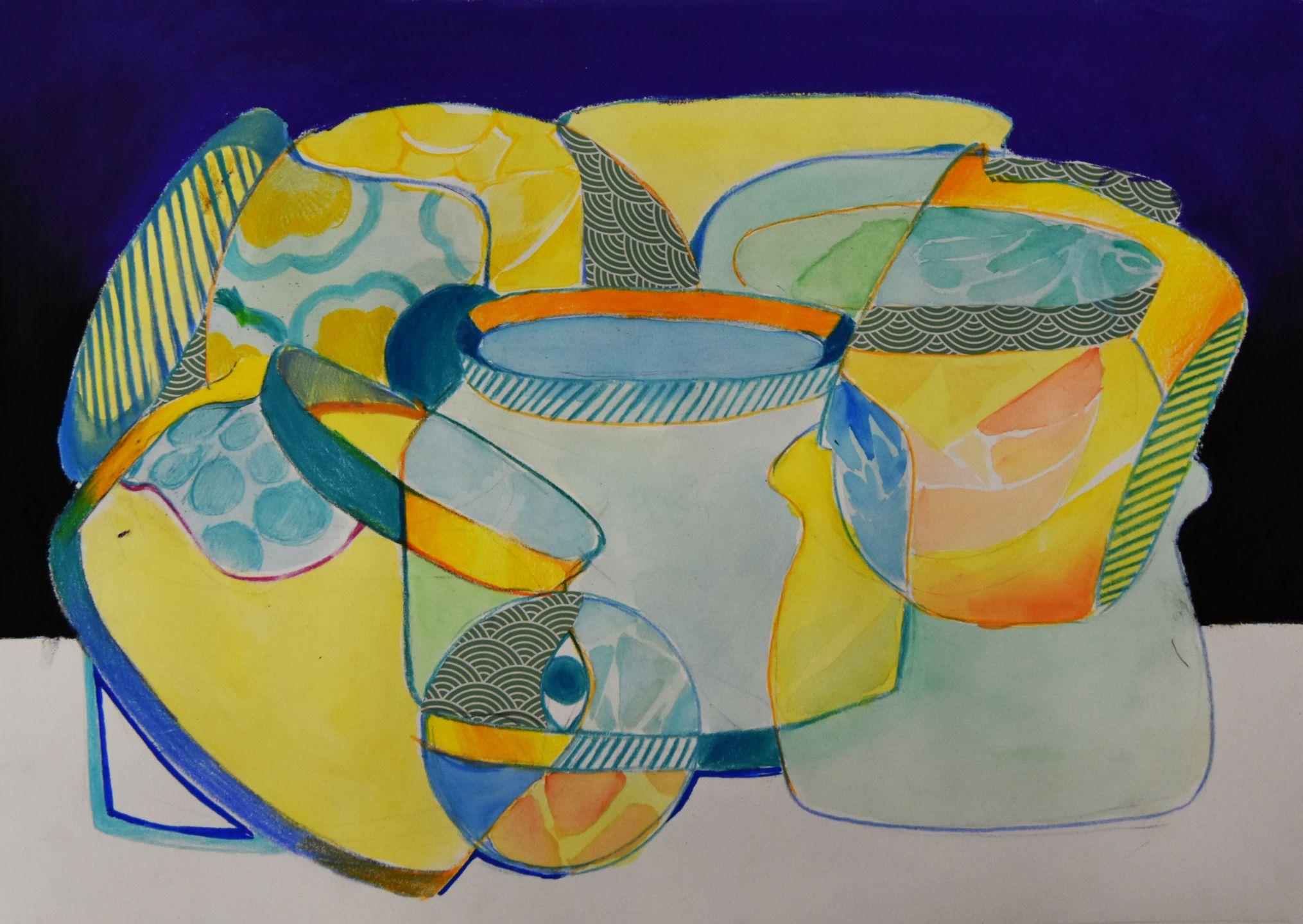
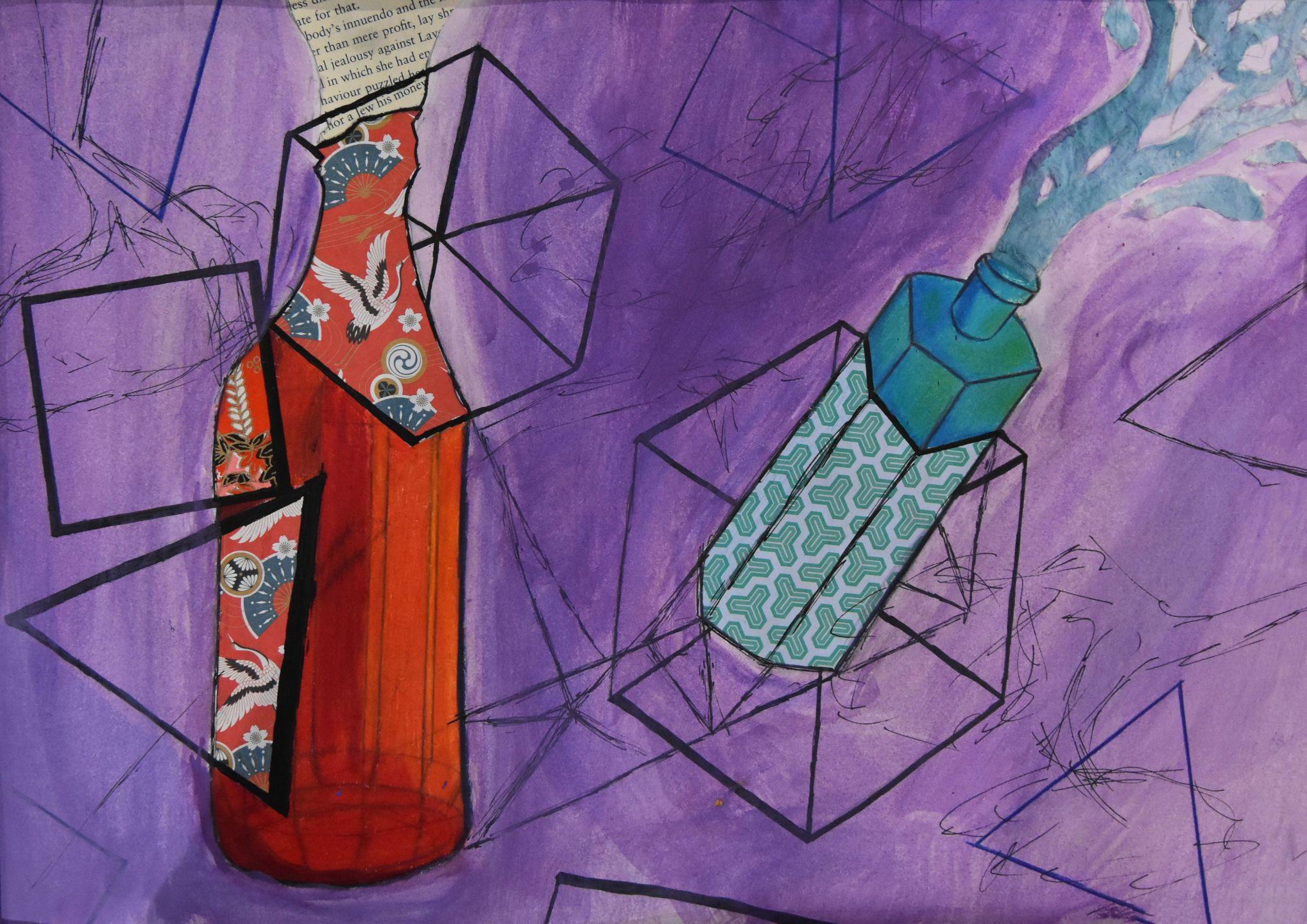
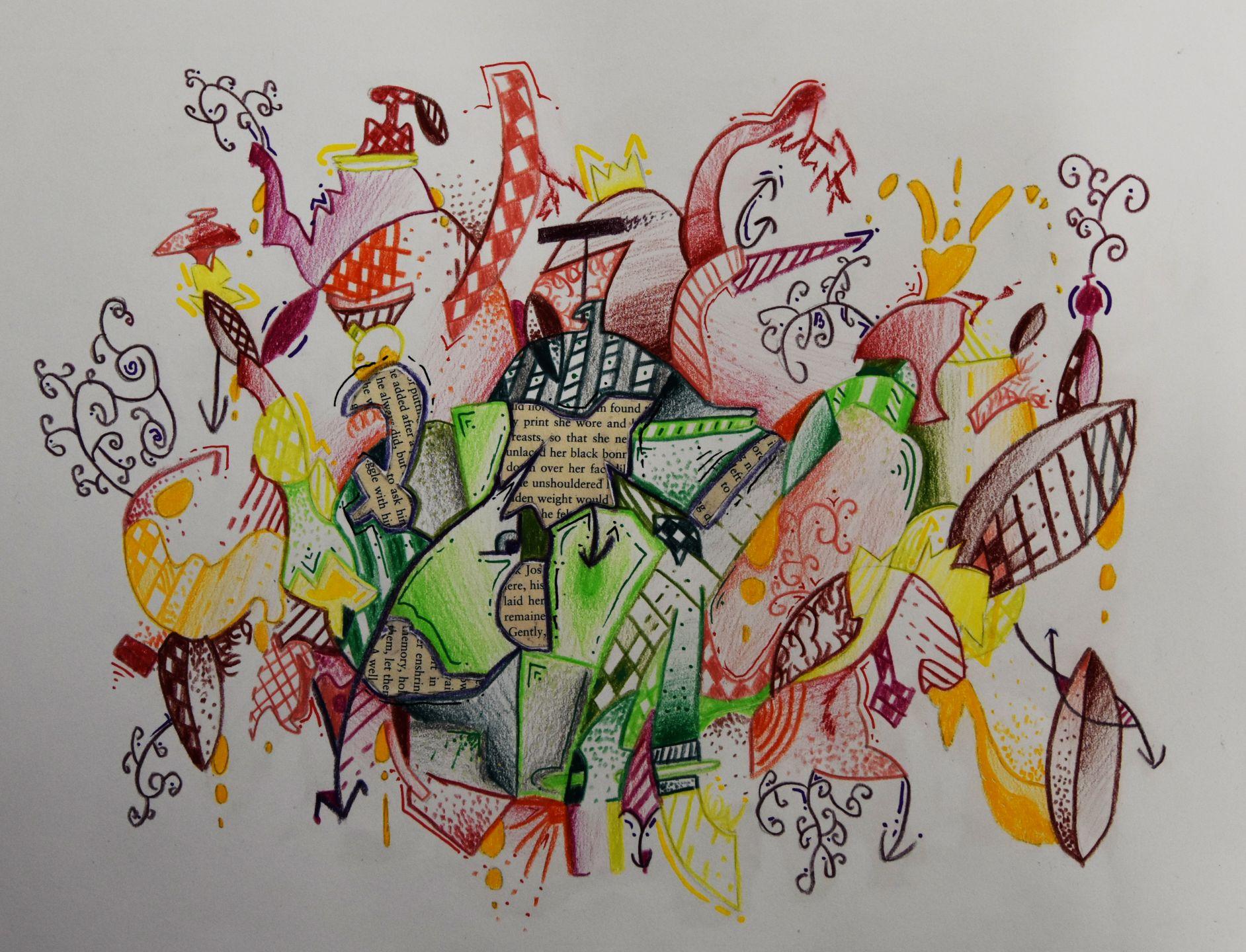
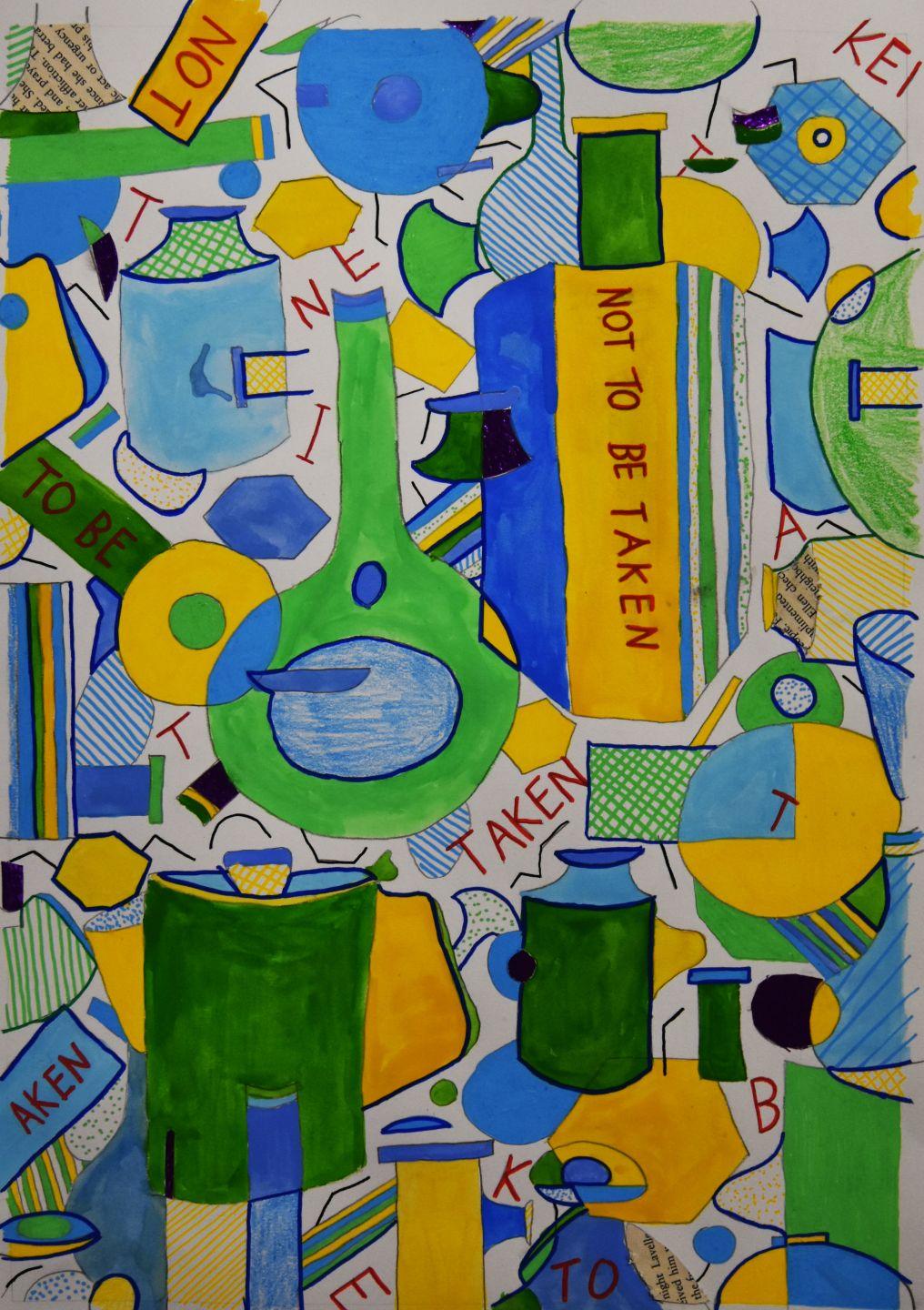
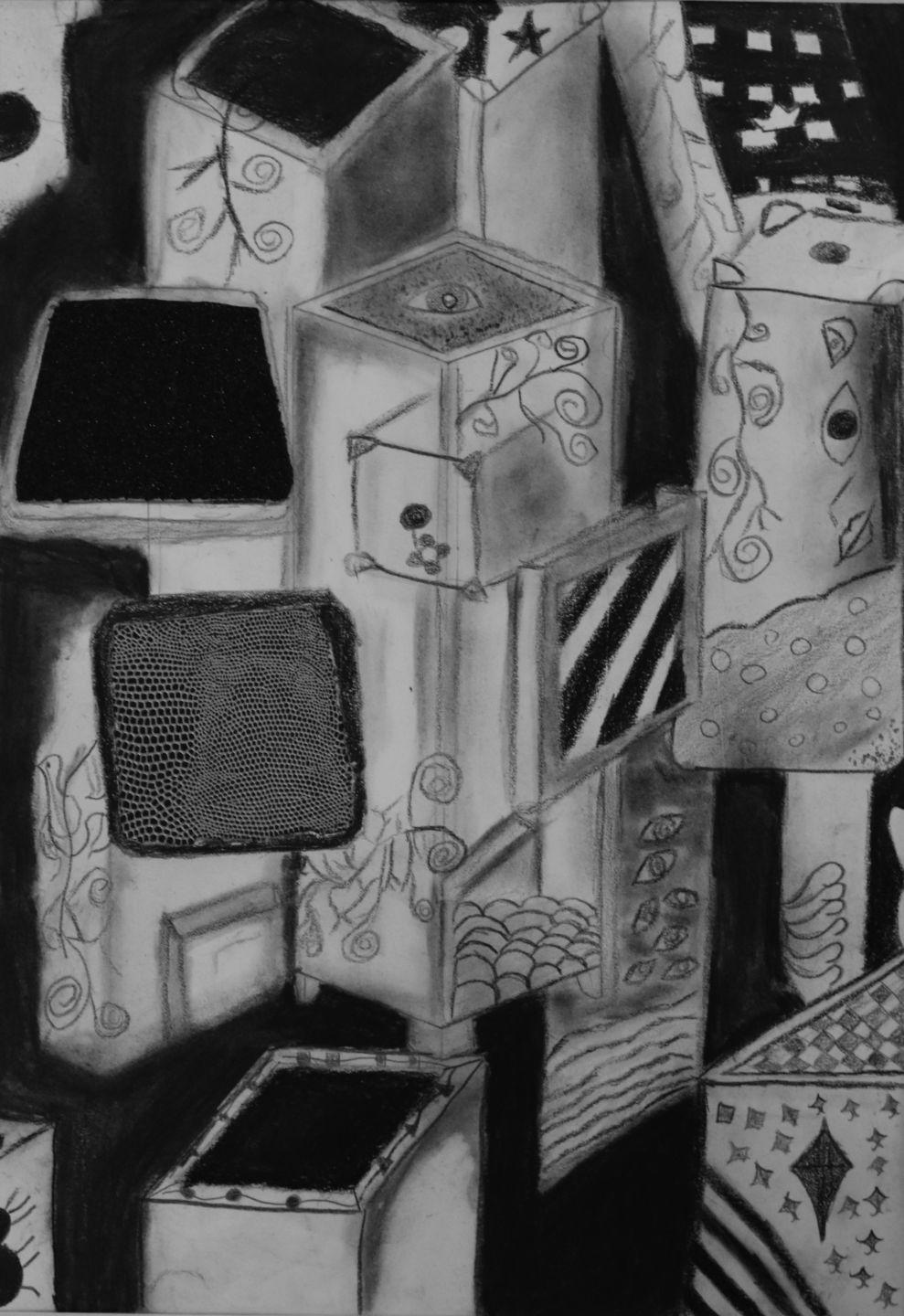
In this unit of work, students studied the Cubist Movement which was started by Pablo Picasso and George Braque in 1907. This art movement was revolutionary as it changed the way we look at the world and helped to pave the way for new modern art styles.
The students started by drawing a series of objects from a range of angles. They then combined their drawings into a single composition focusing on the essence of the objects rather than their realistic appearance.
They incorporated numerous mediums including willow charcoal, compressed charcoal, pastel, conte, coloured pencil, conte crayon and collage.
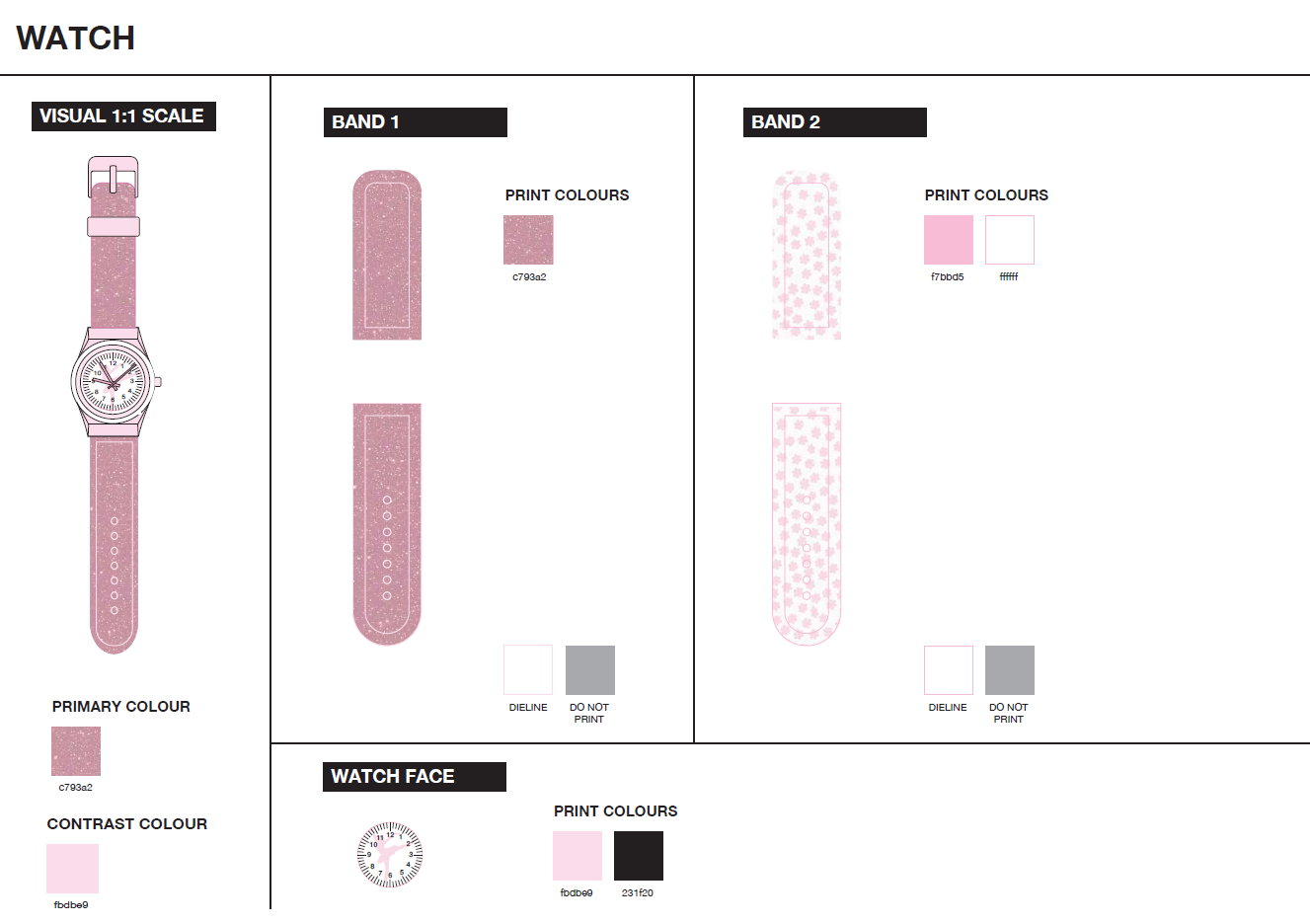
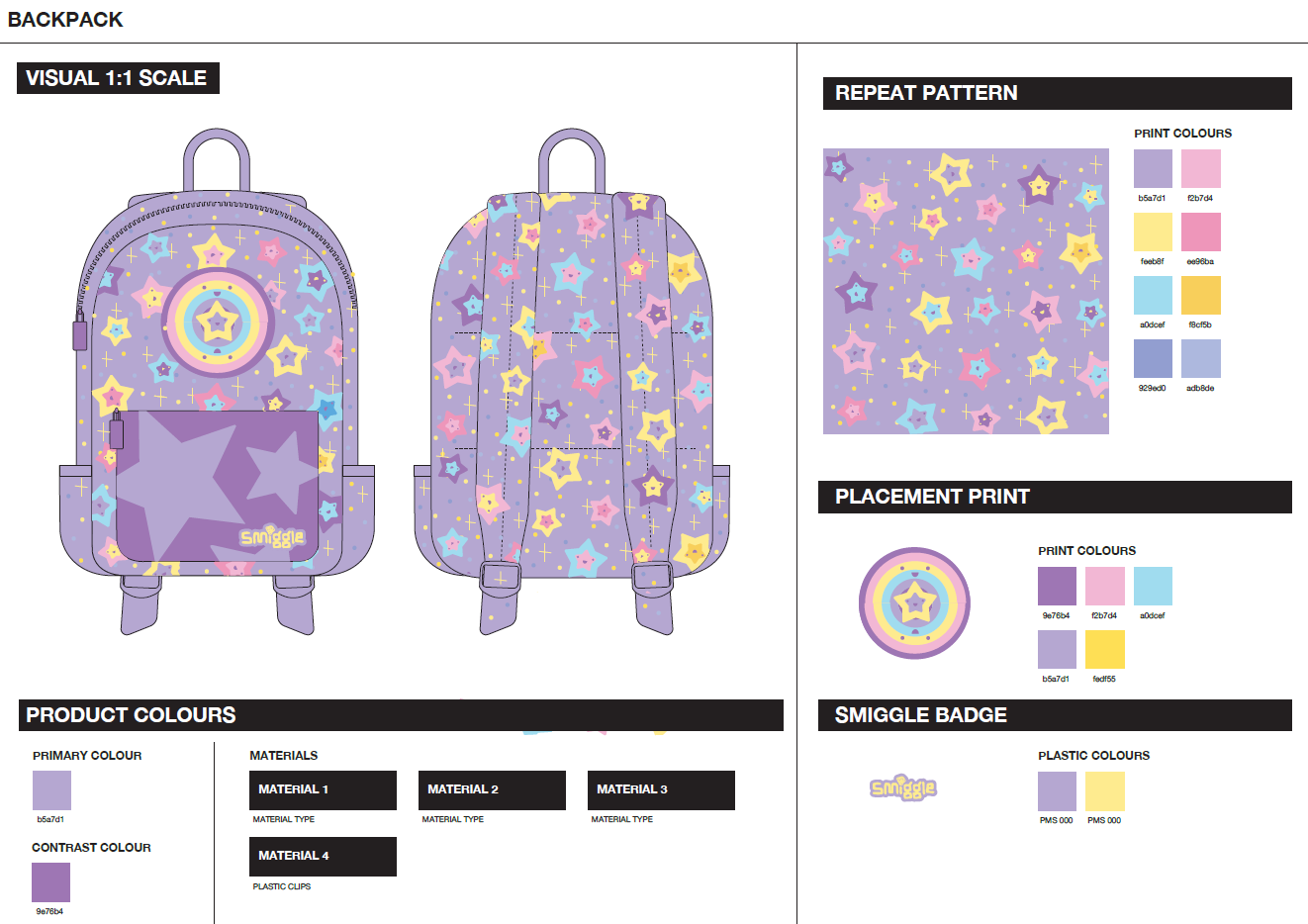
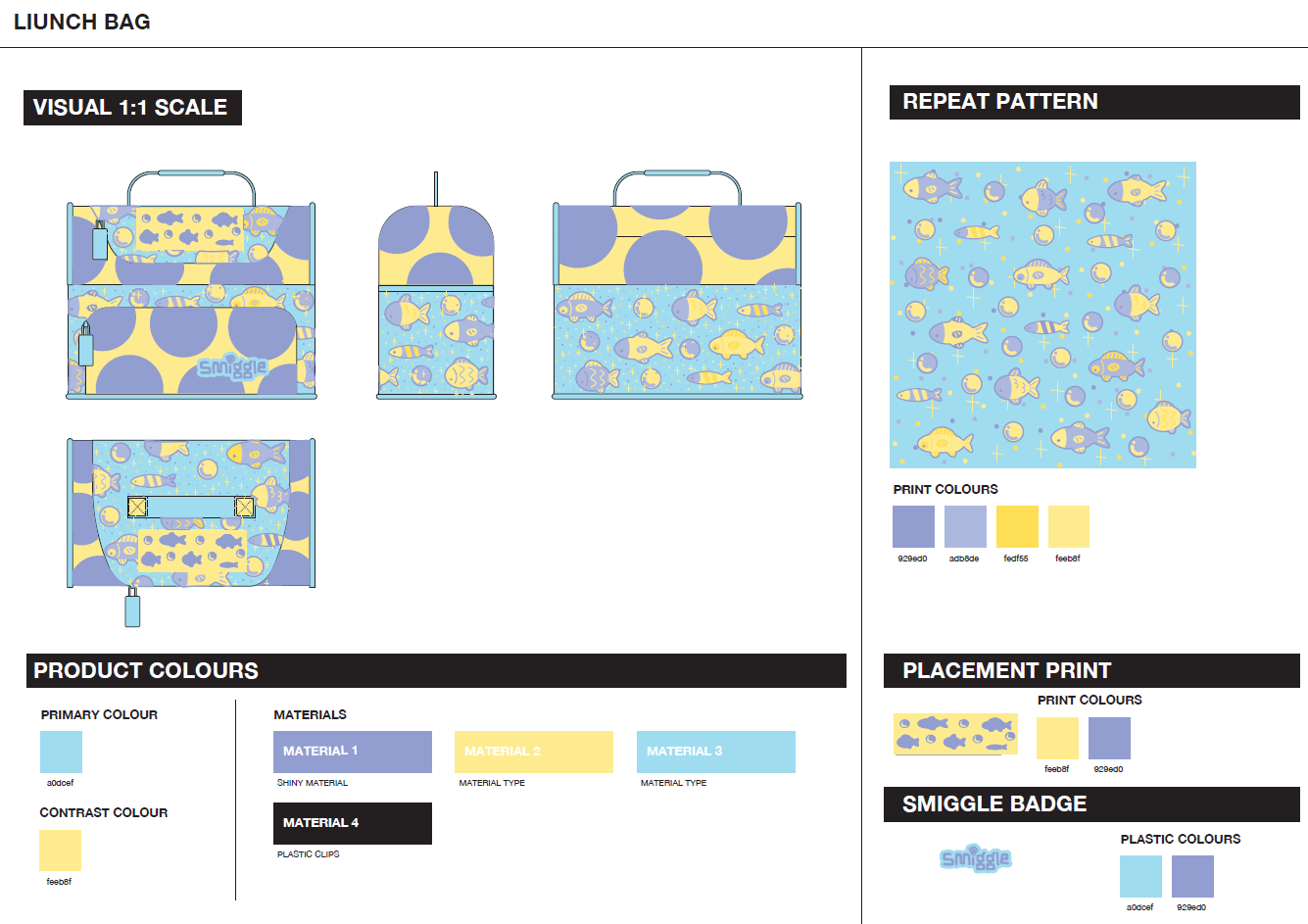
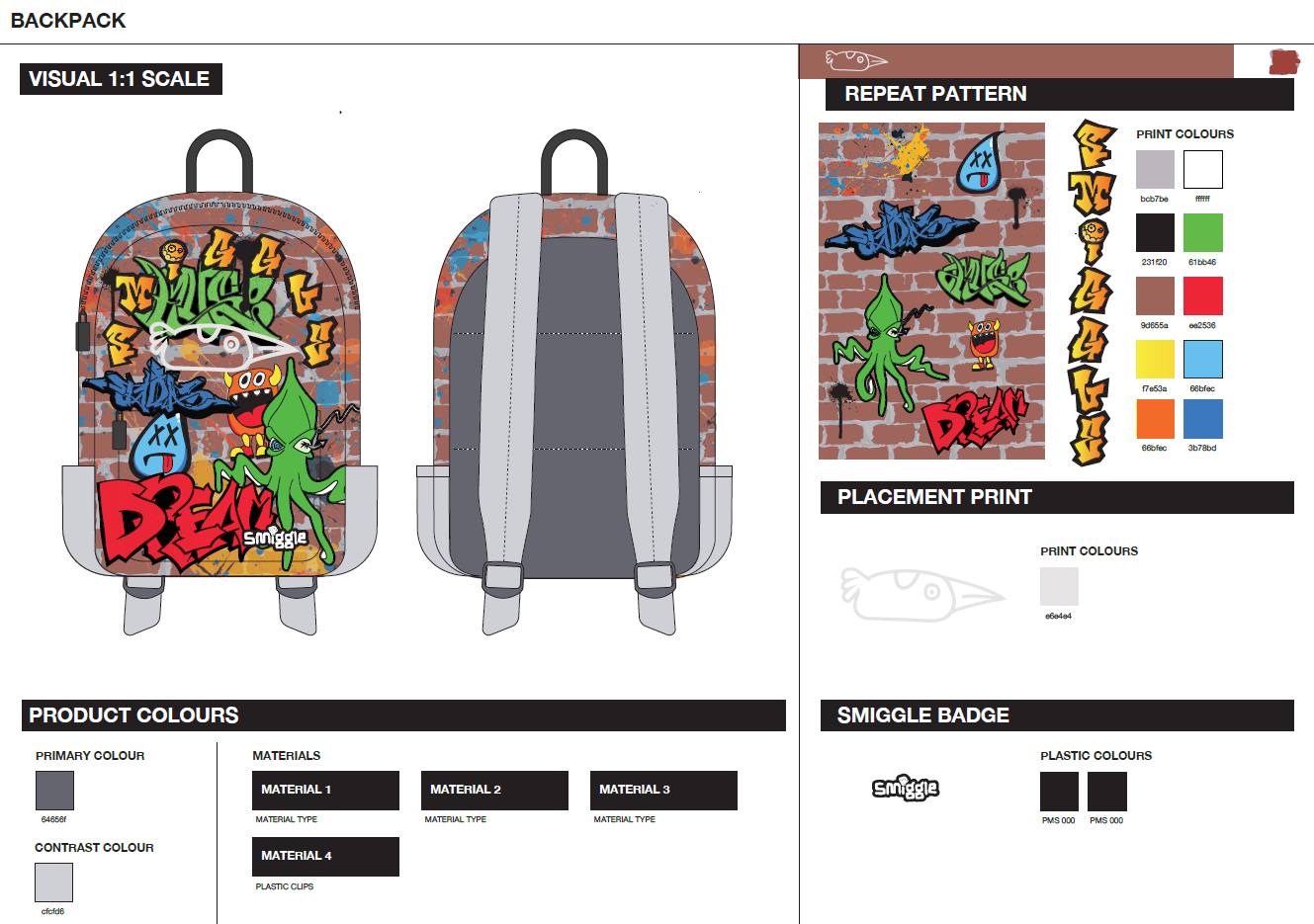
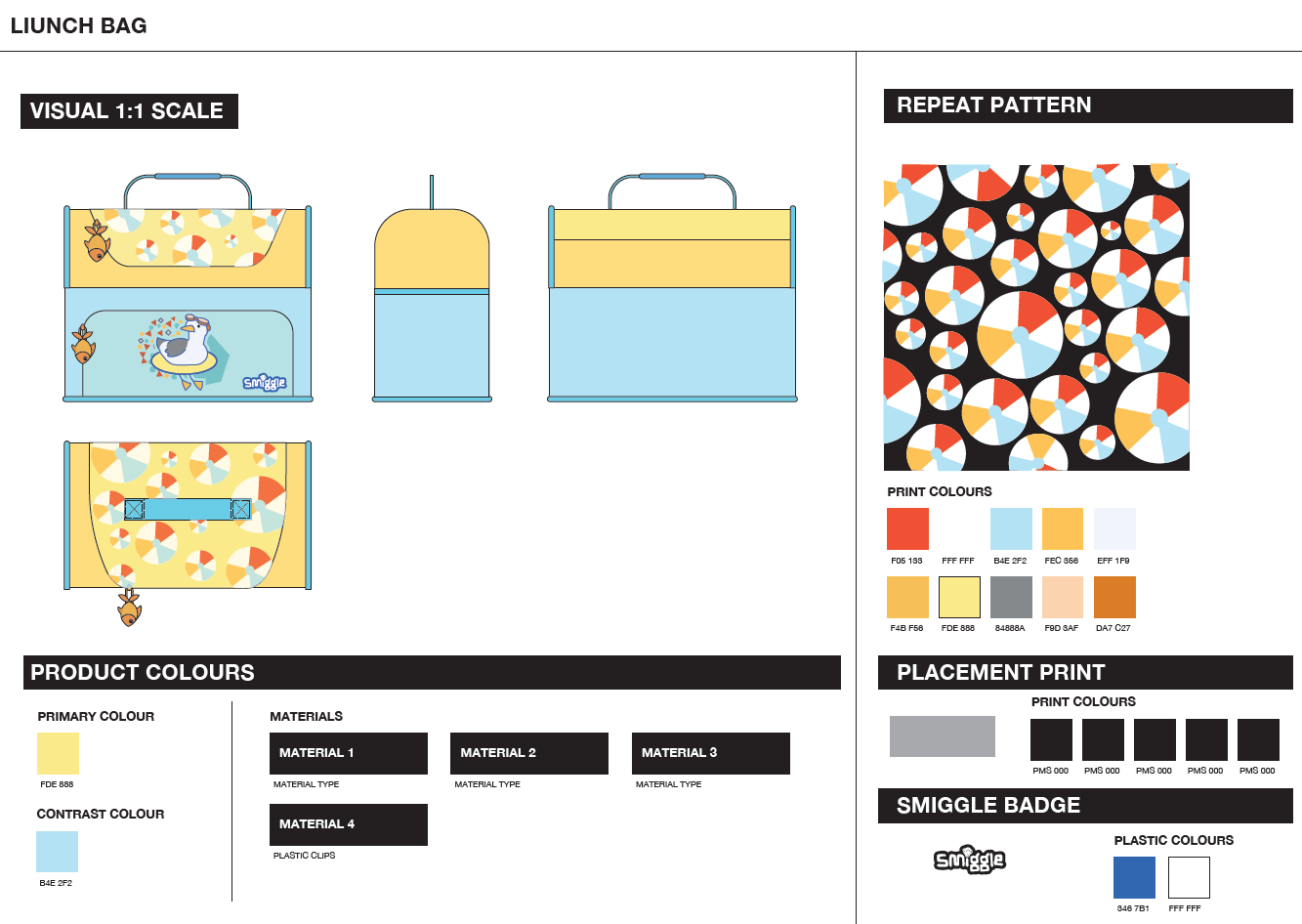
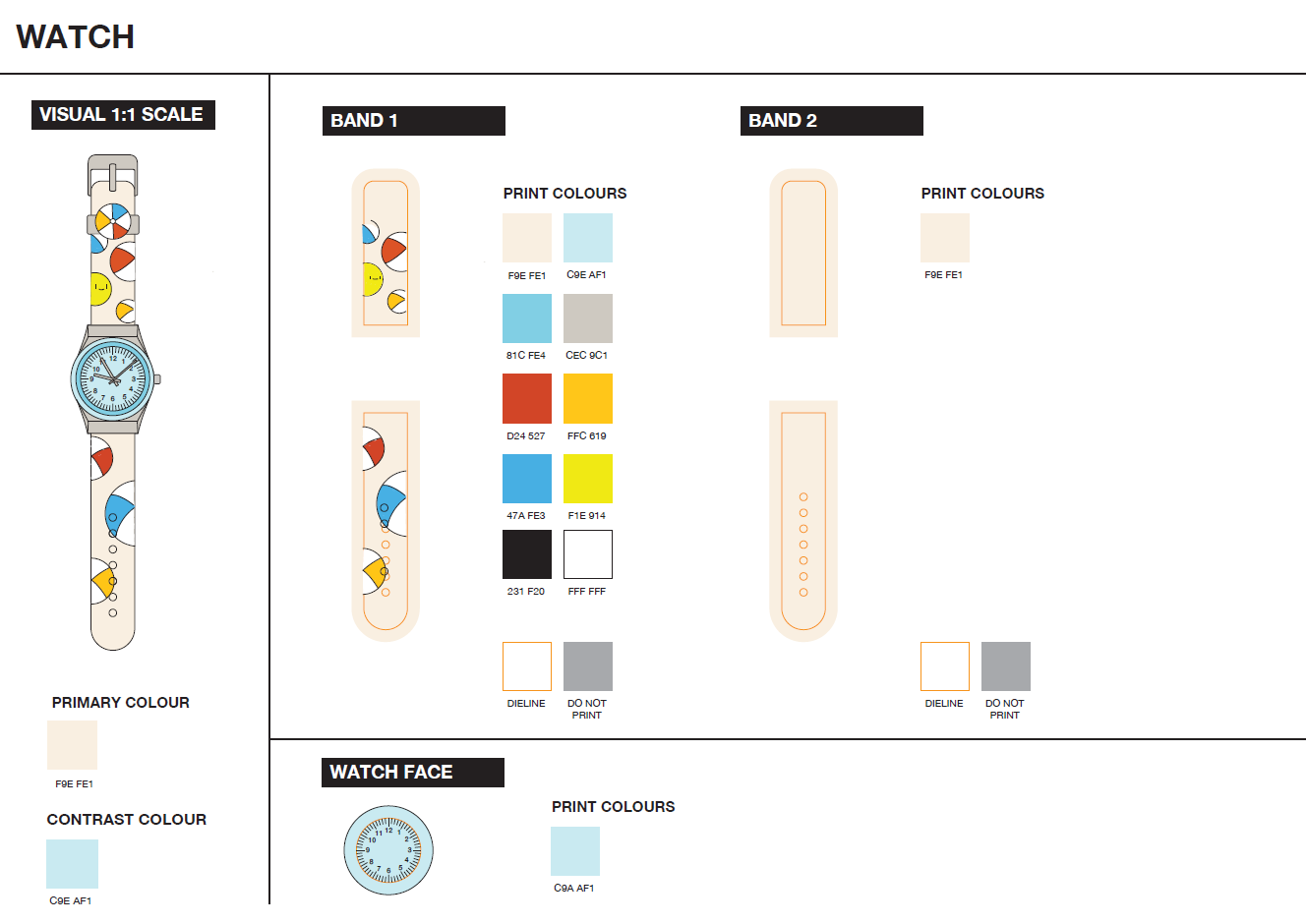
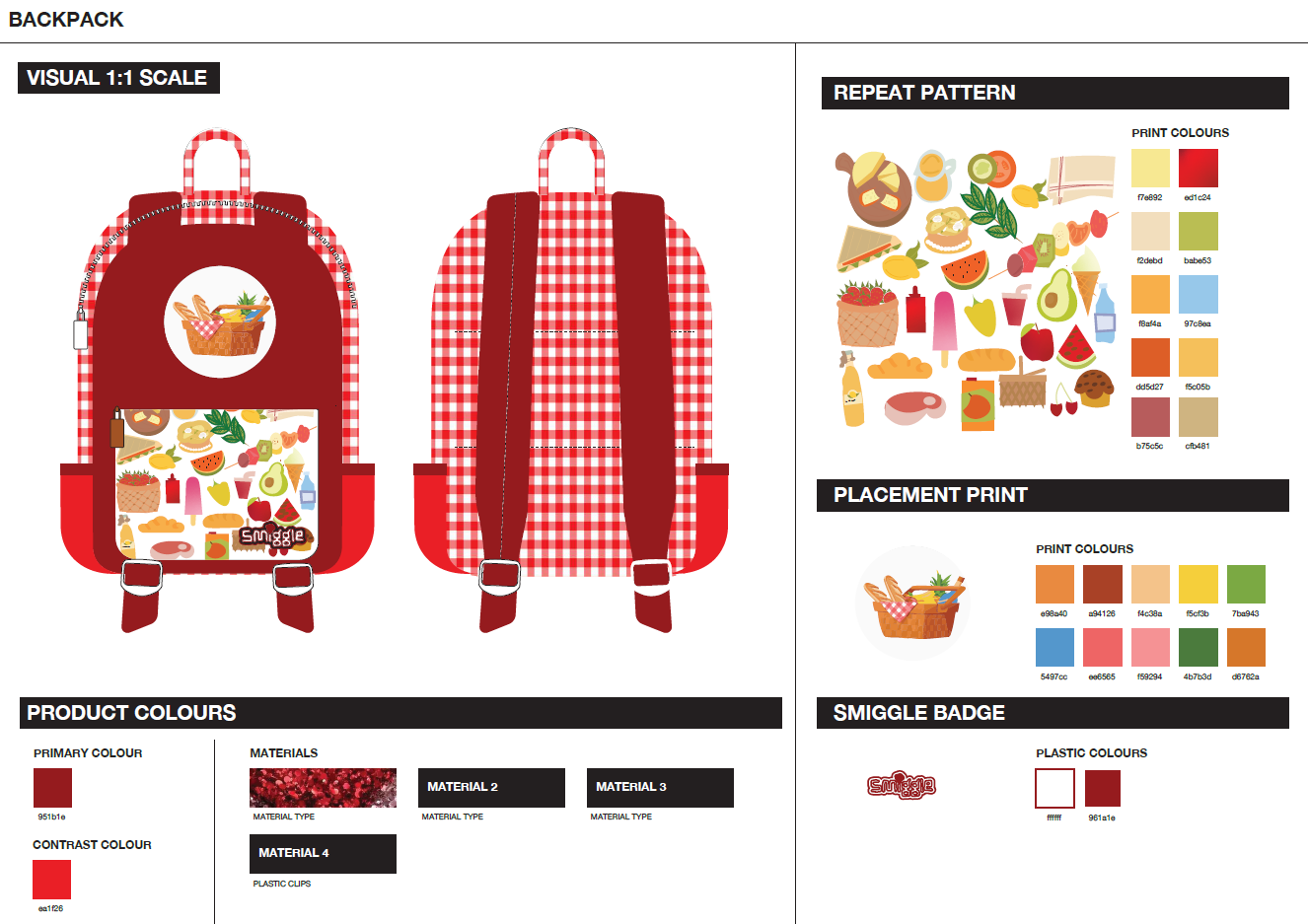
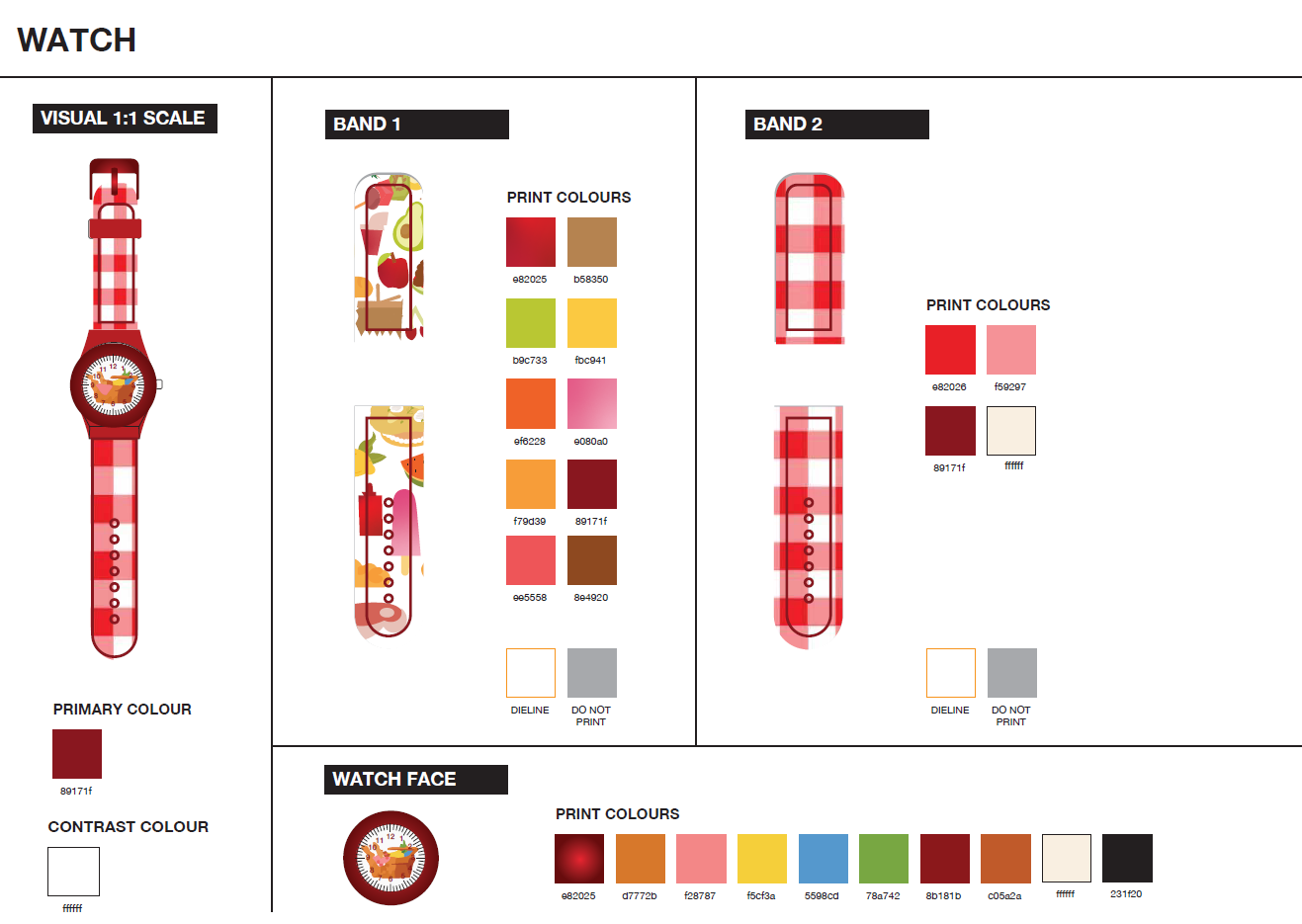
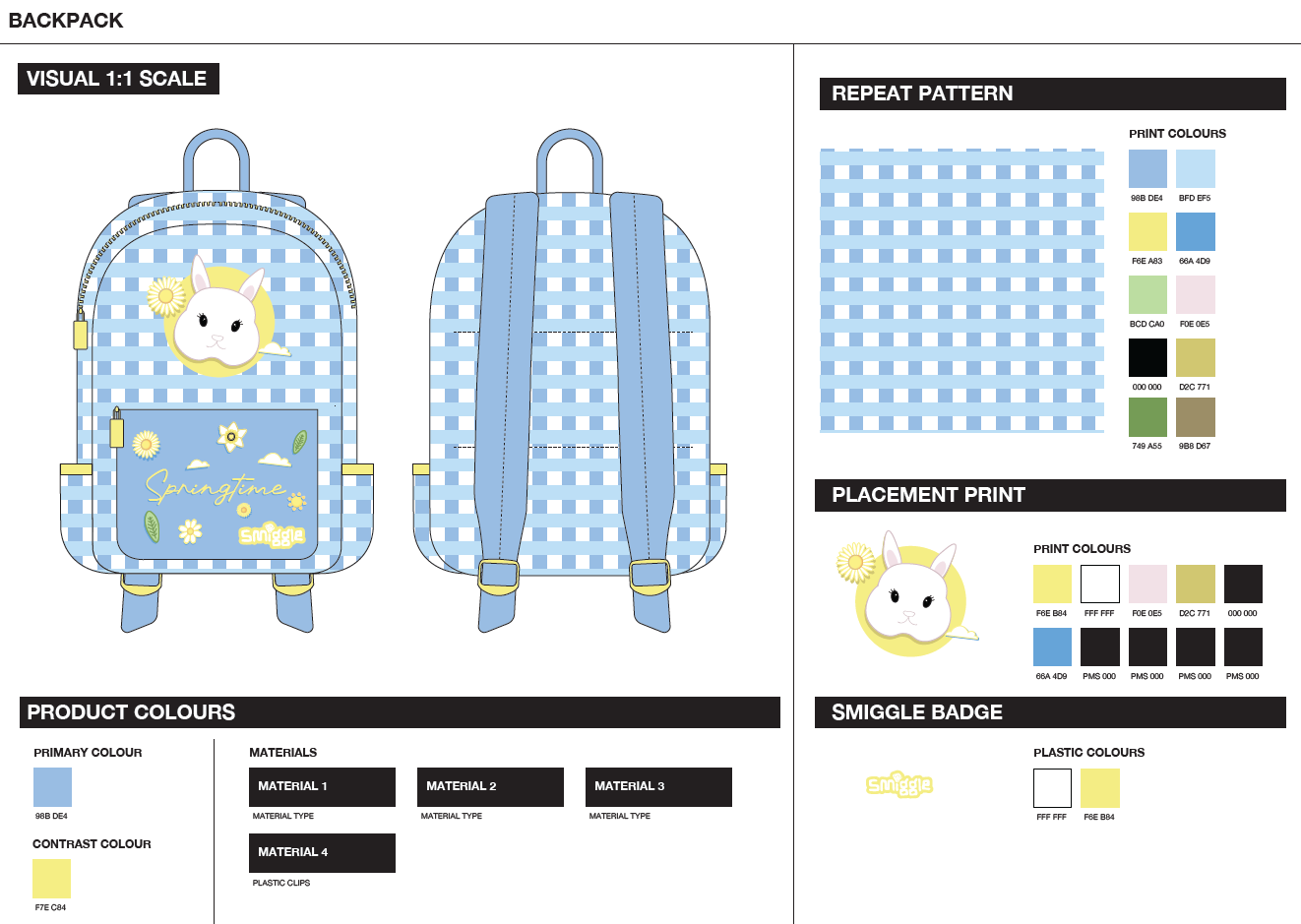
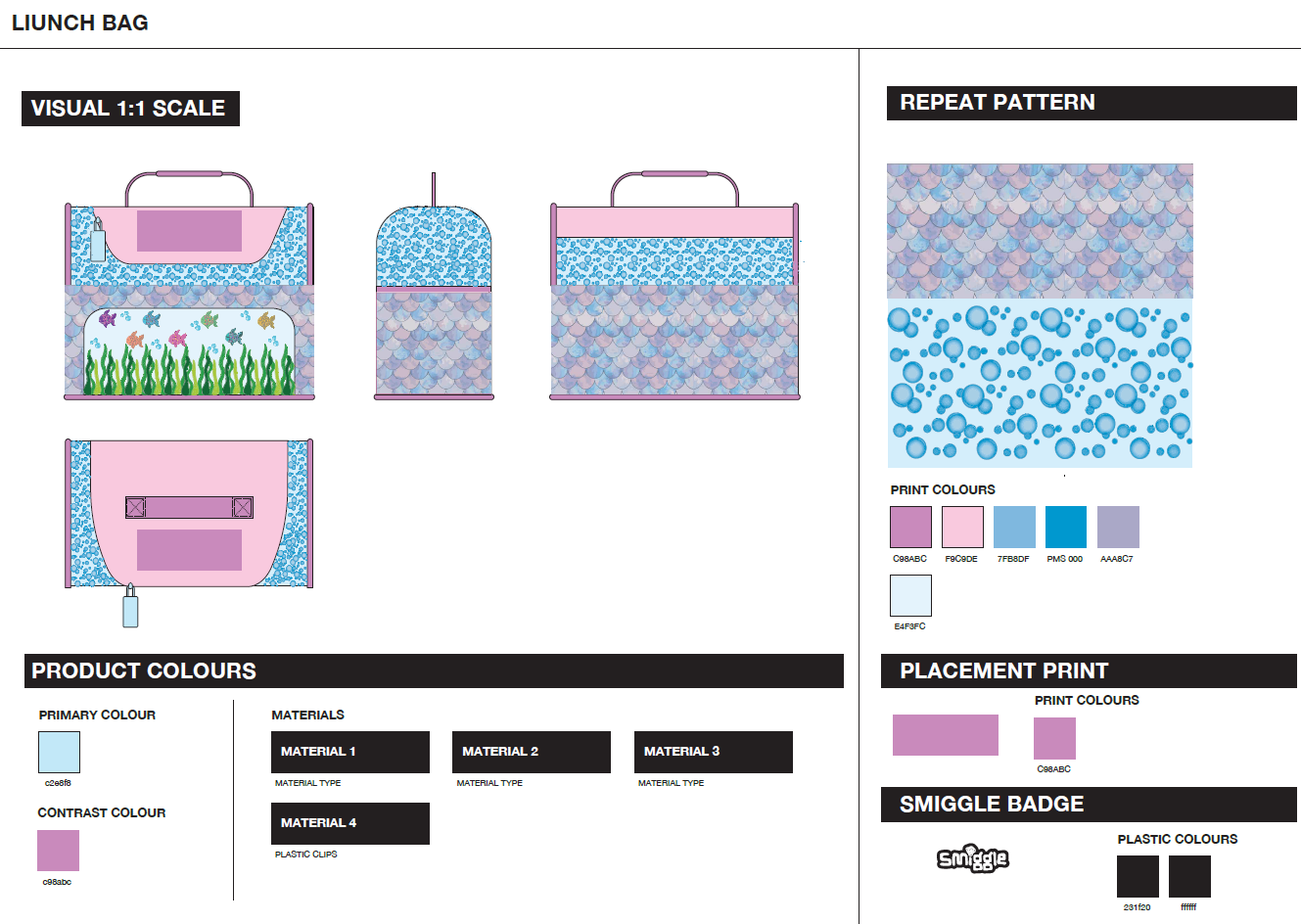
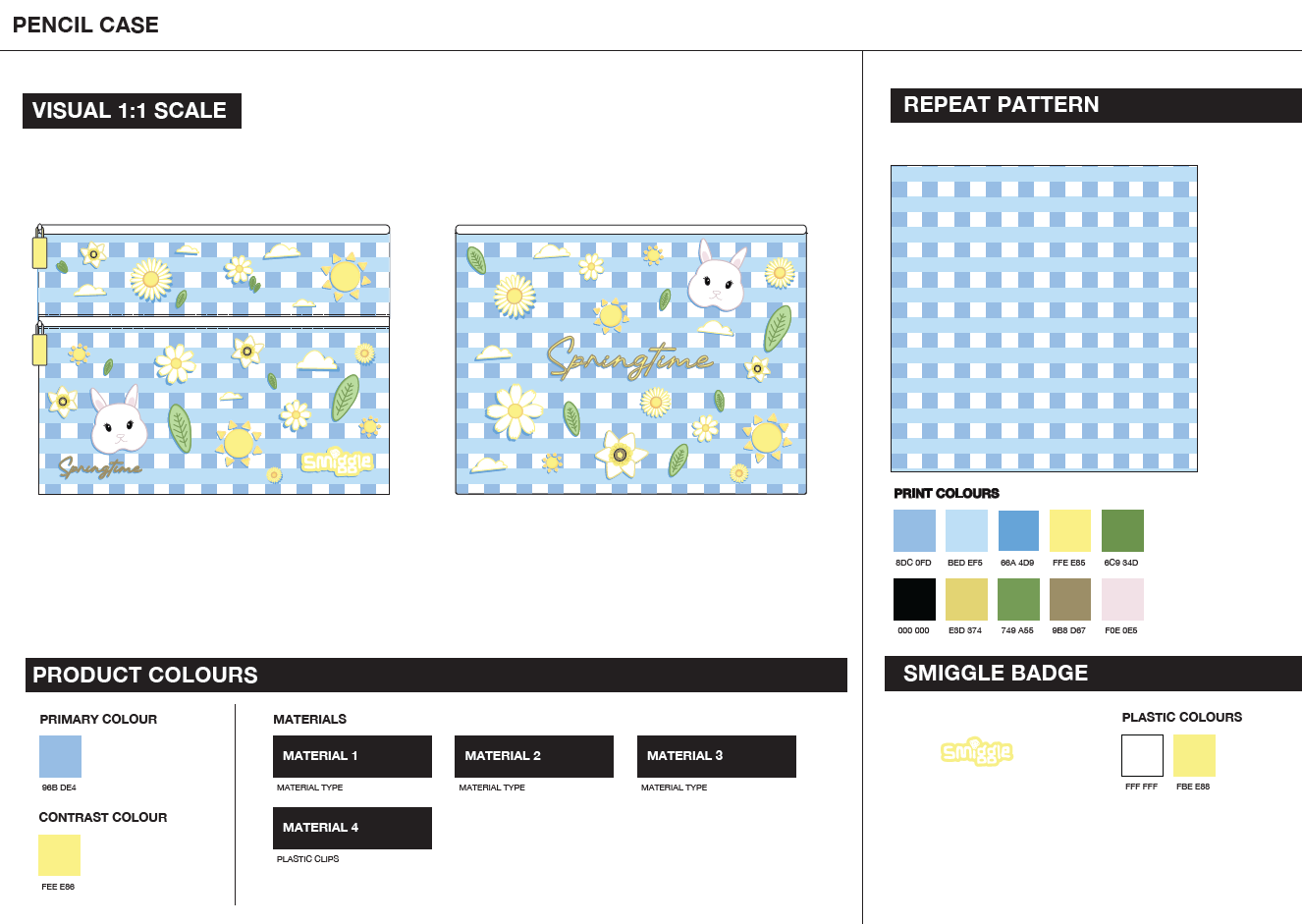
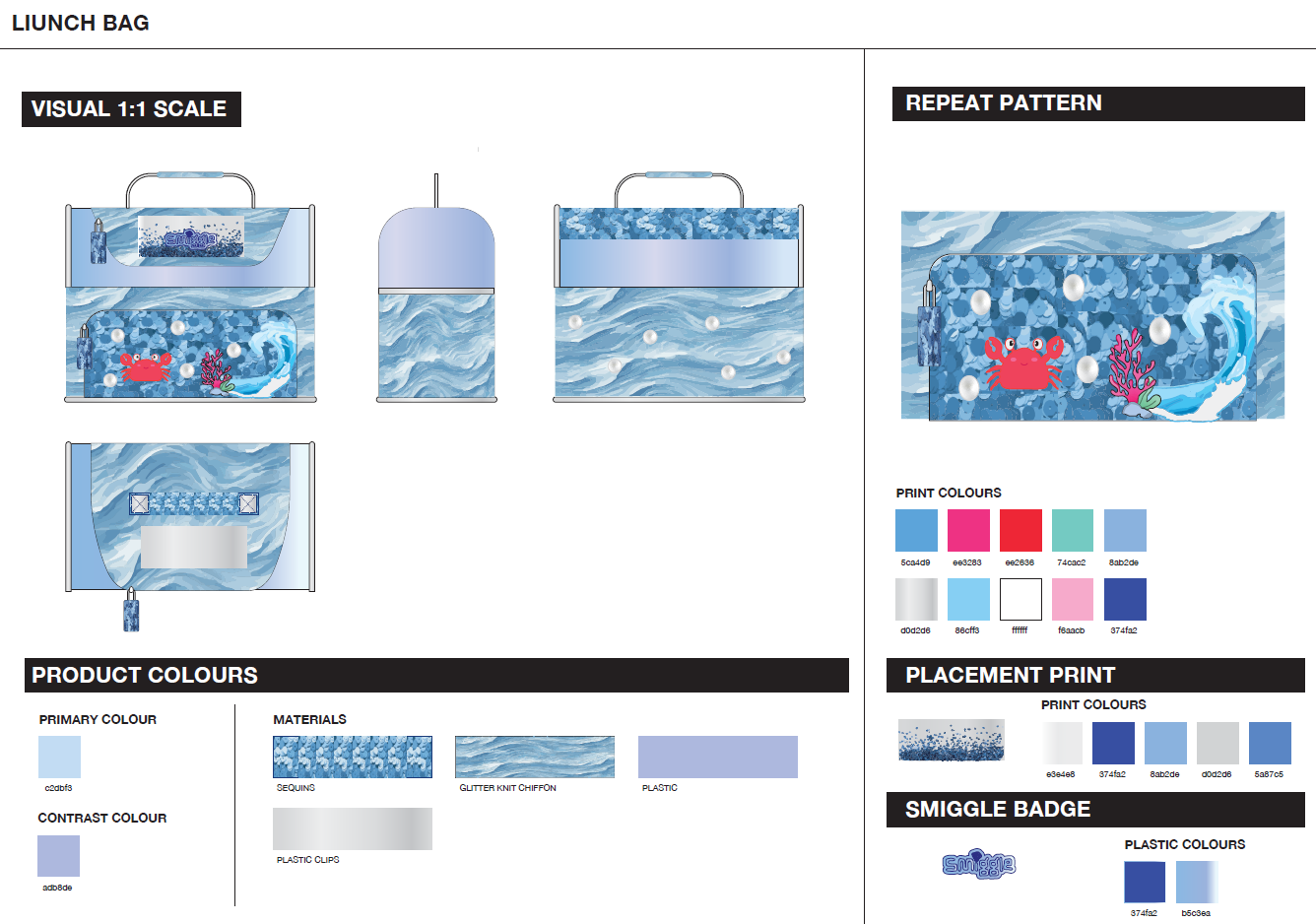
In this unit of work, students were challenged to design a collection of children’s backpacks and accessories for Smiggle, the renowned Australian stationery brand celebrated for its bold use of colour, playful graphics, and innovative products. Working closely with the Smiggle Design team, students developed a range of original concepts that embody Smiggle’s signature spirit of fun and creativity while ensuring their designs were ready for production.
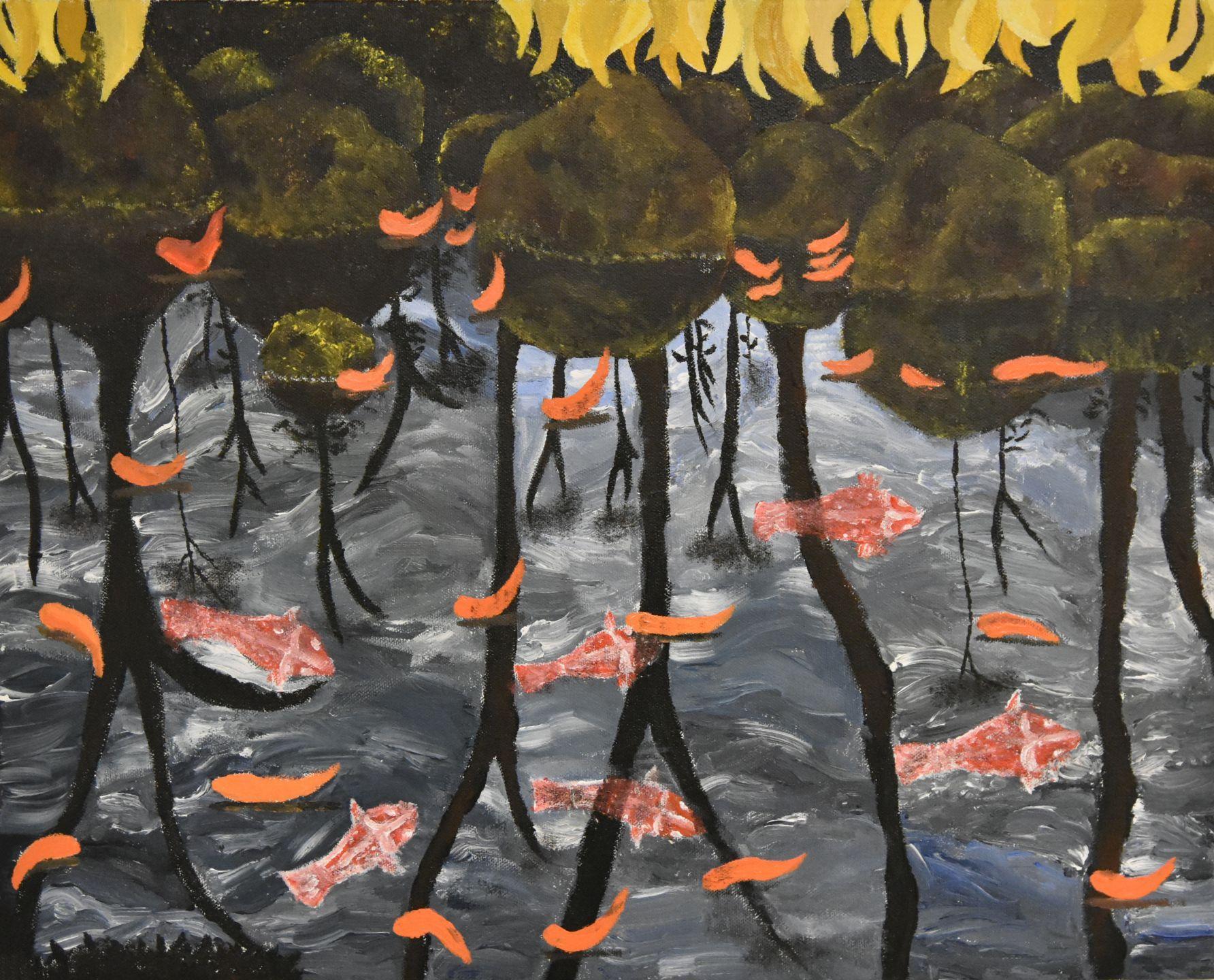
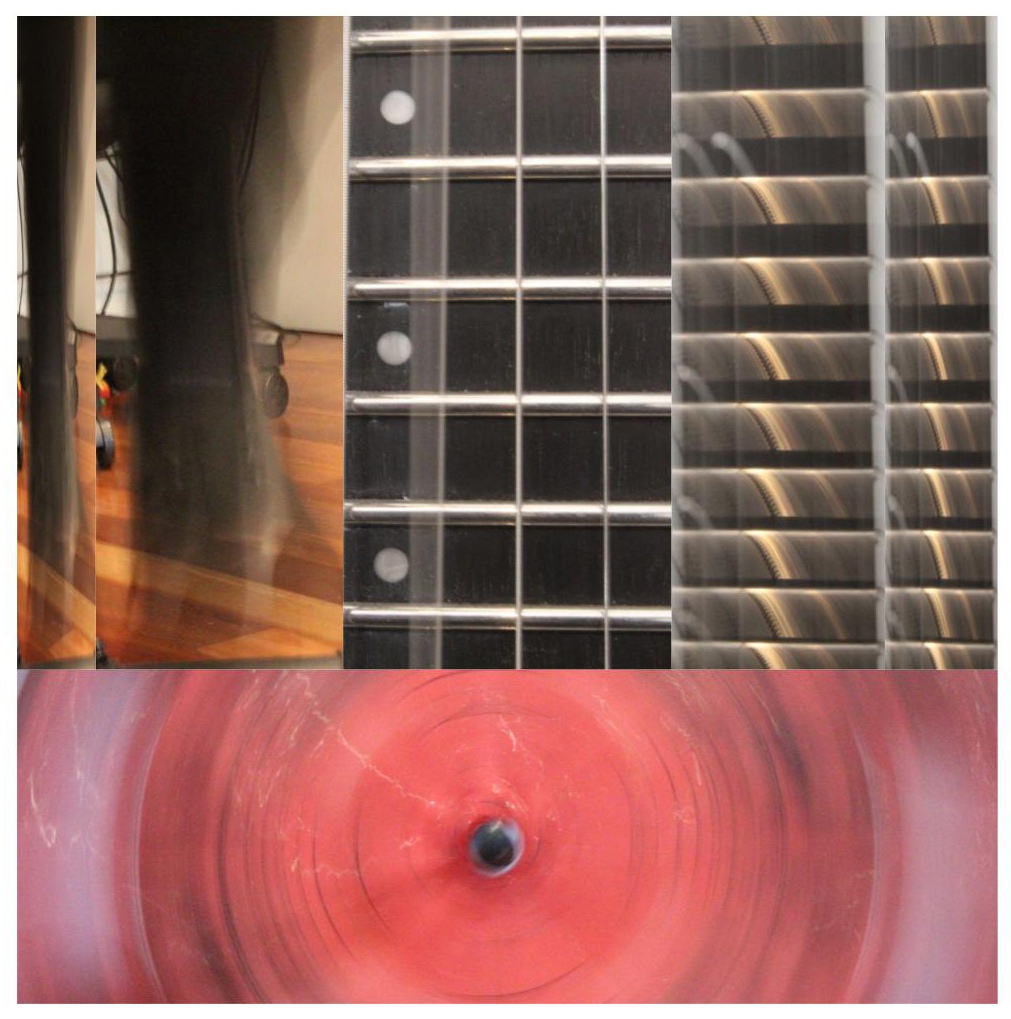
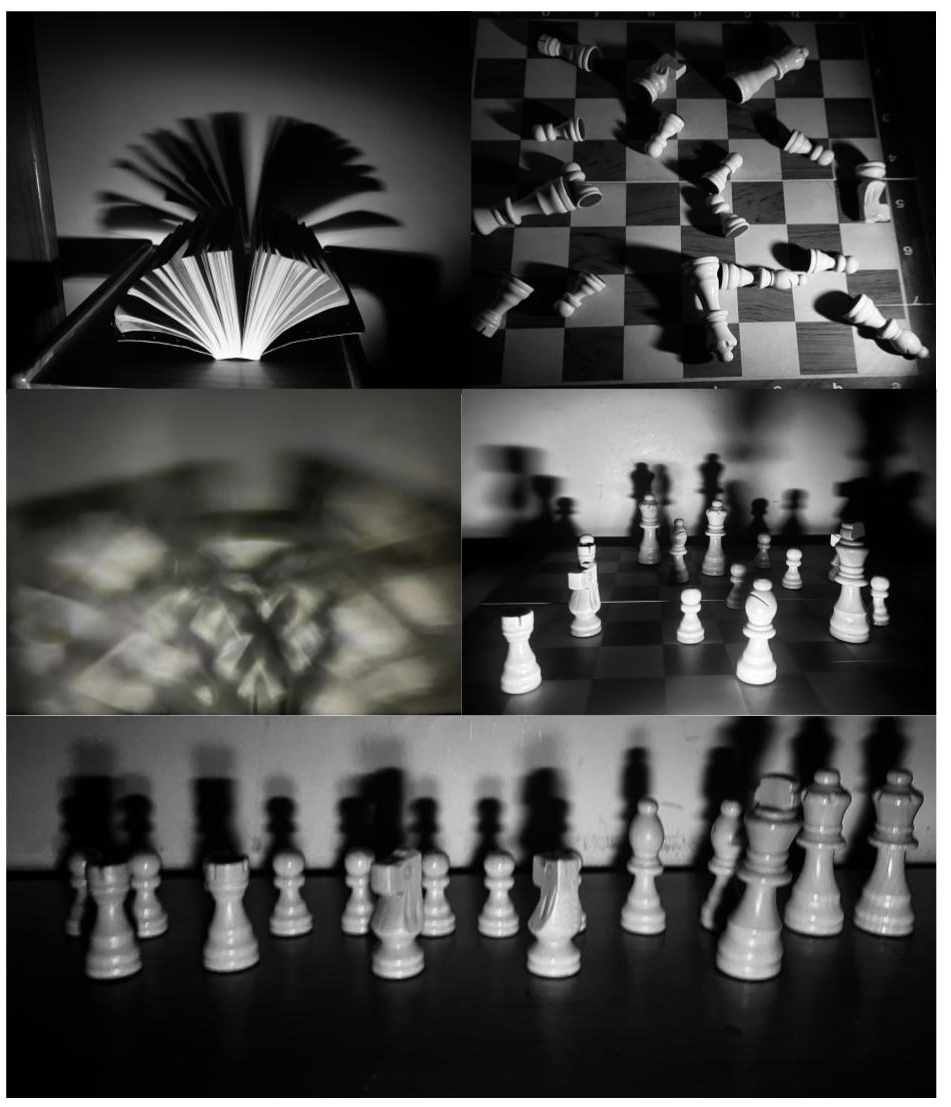
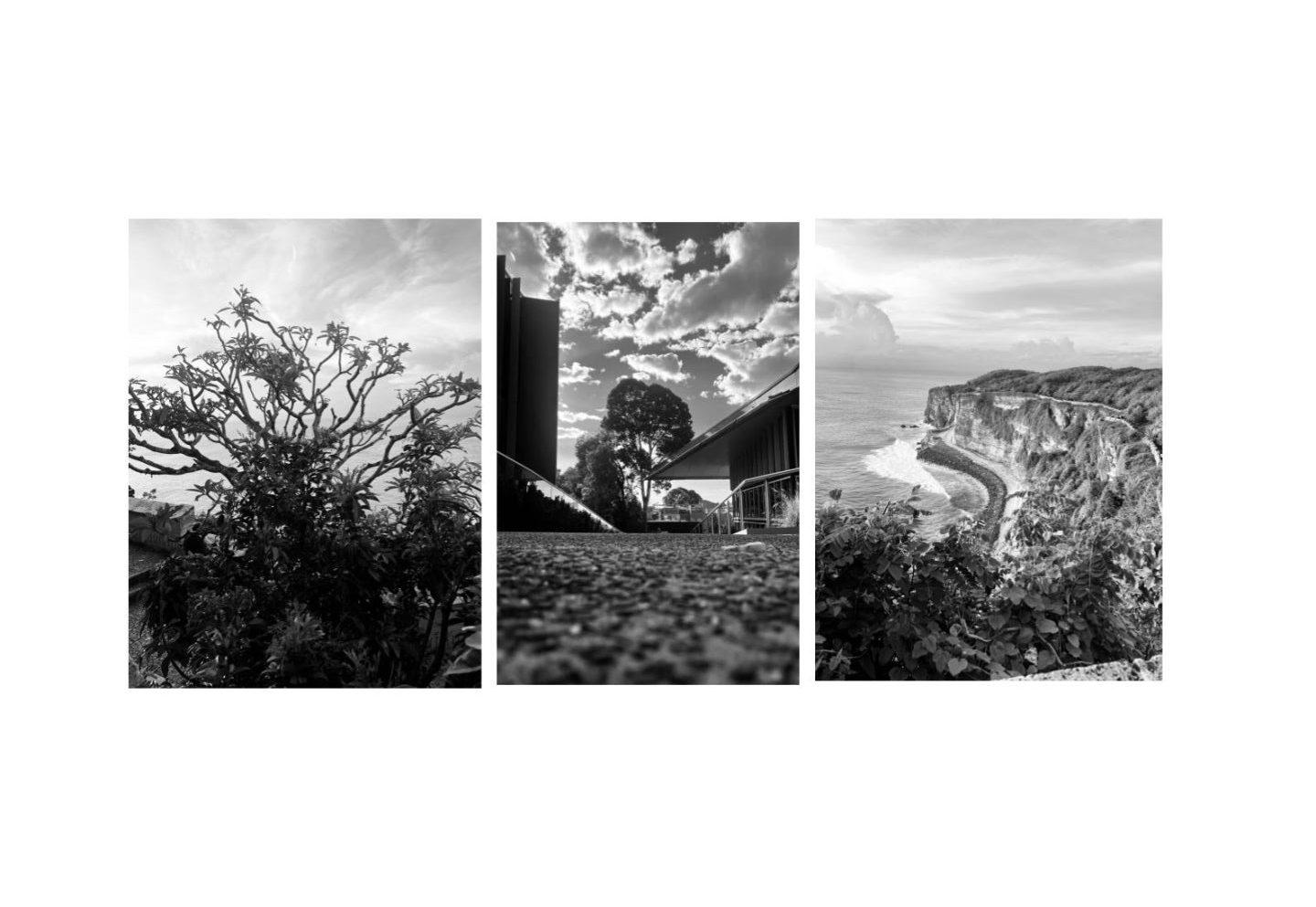
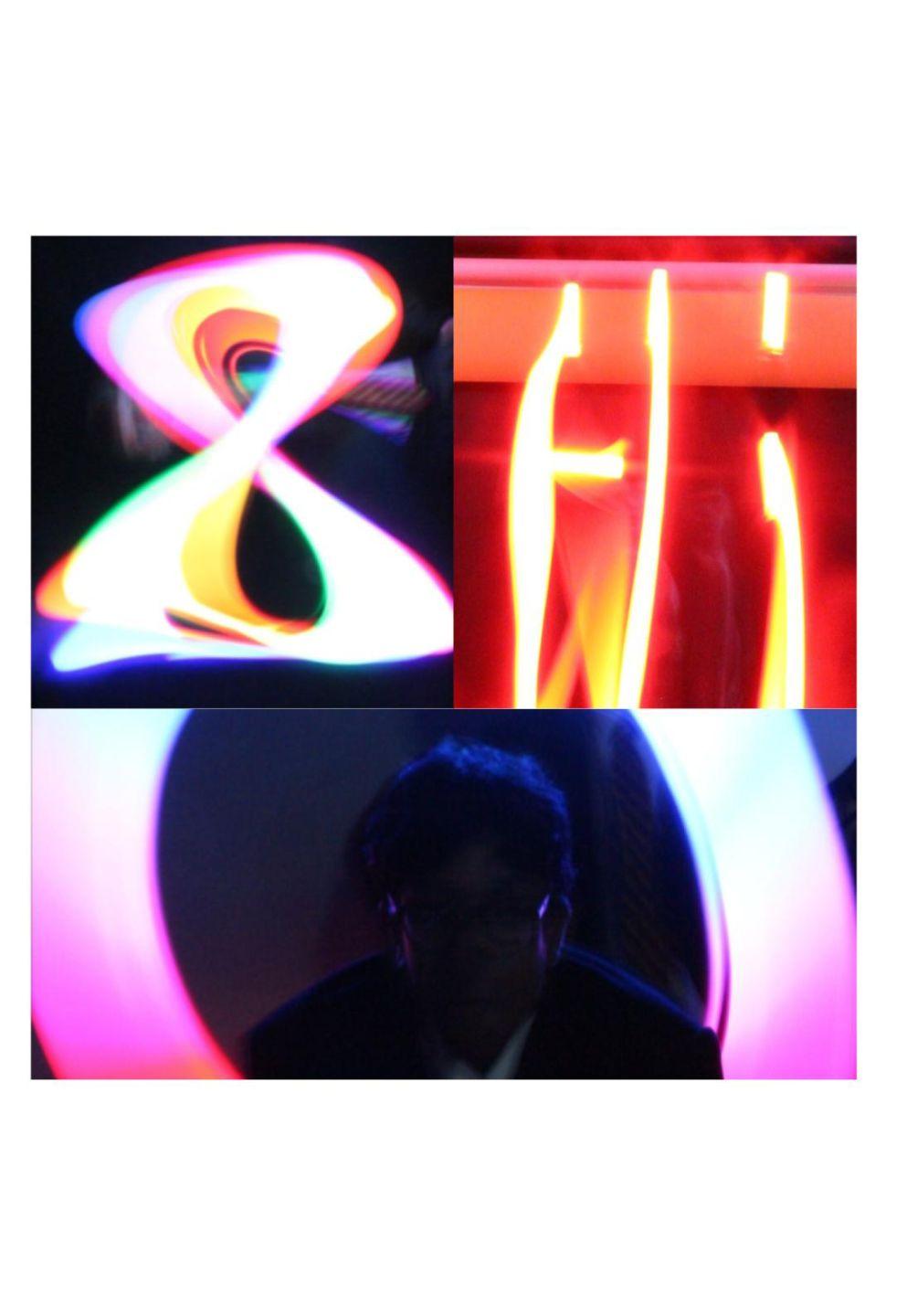
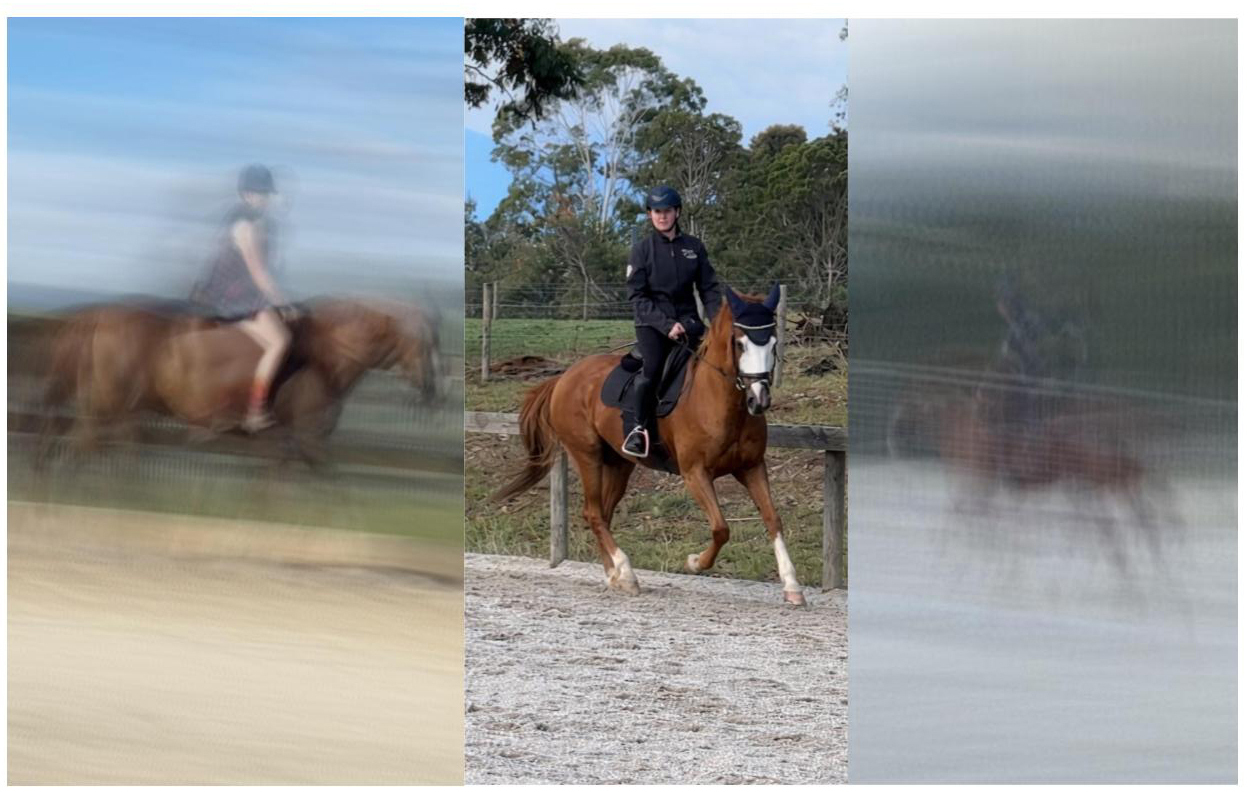
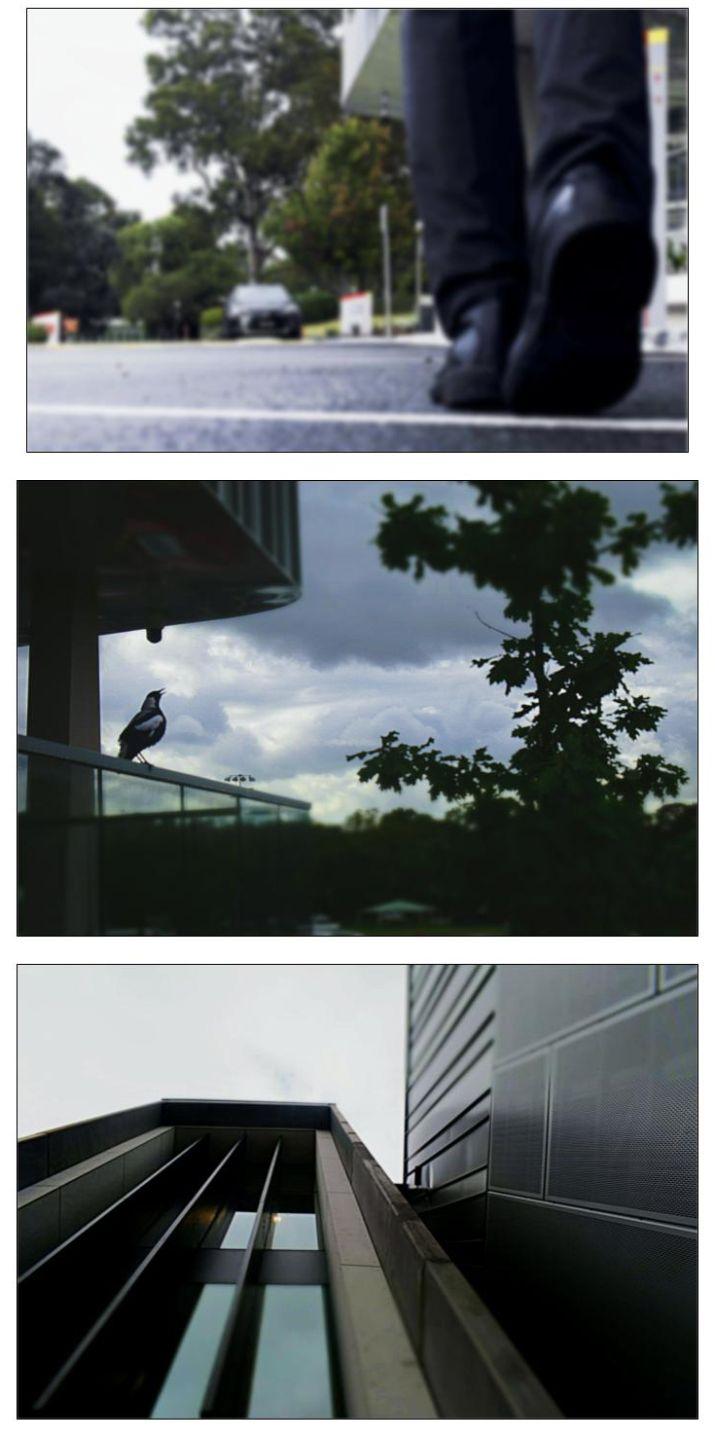
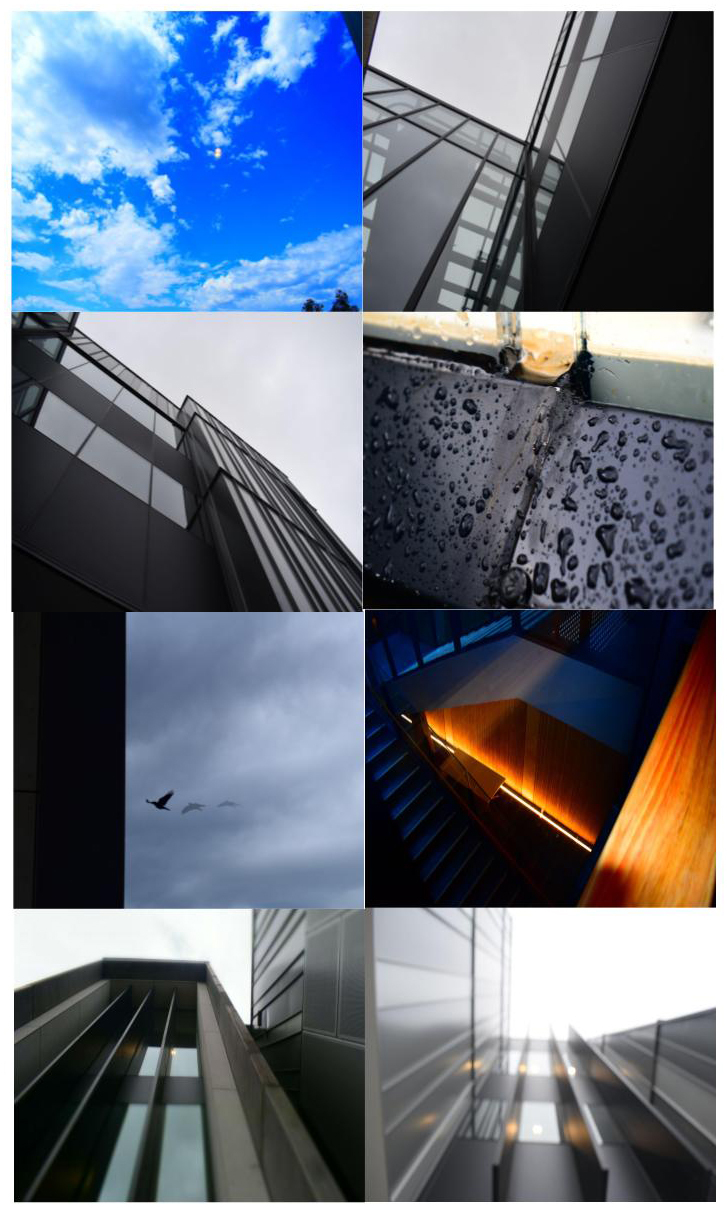
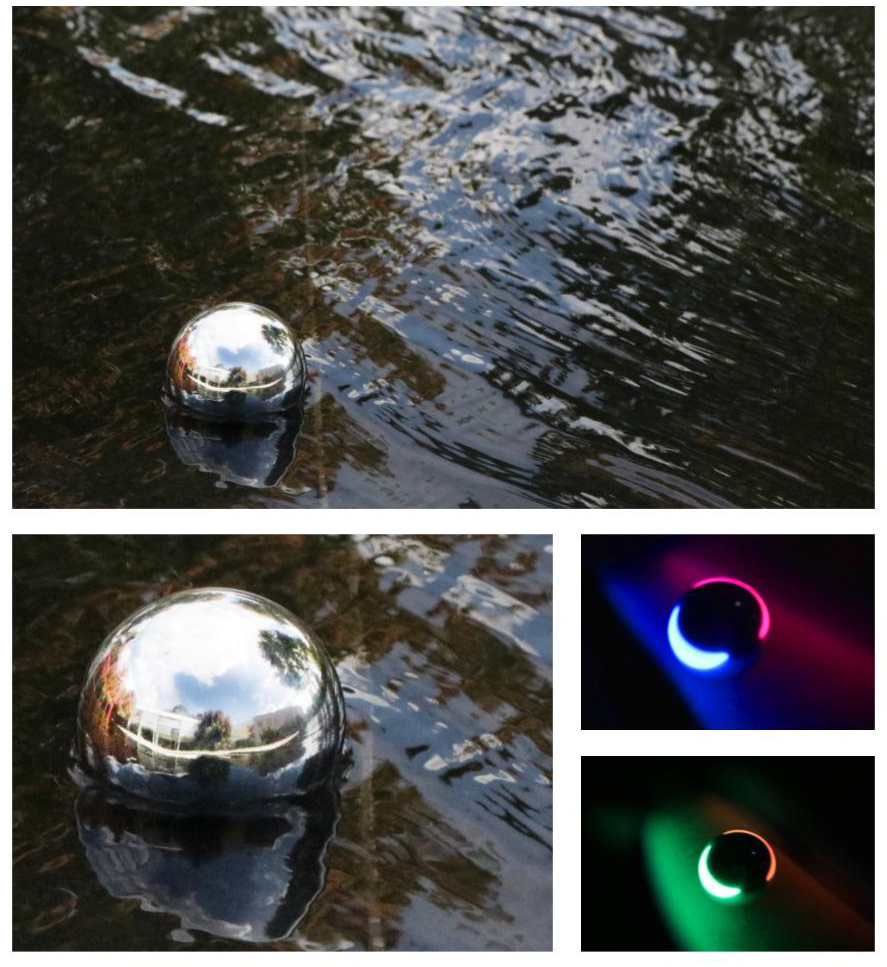
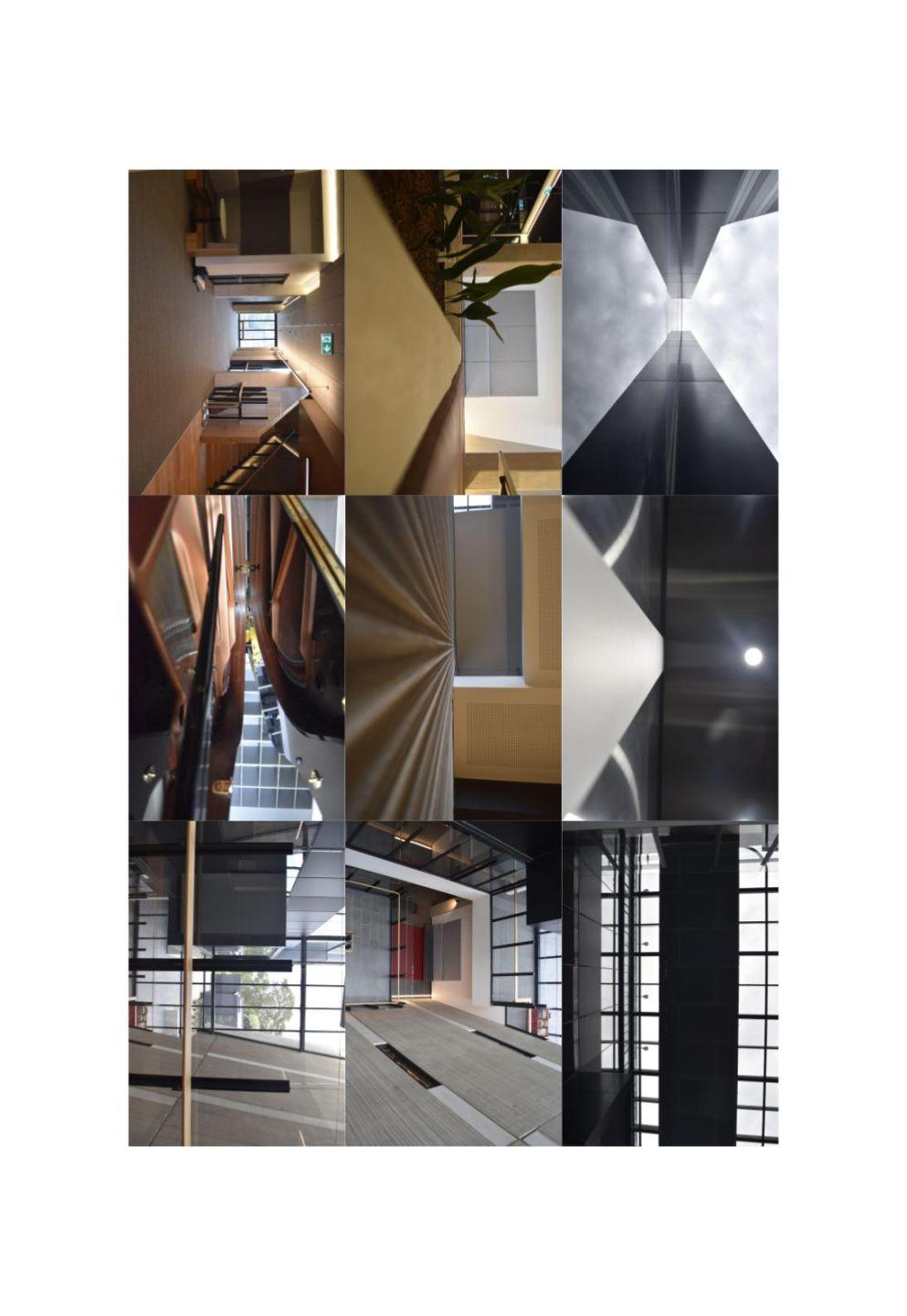
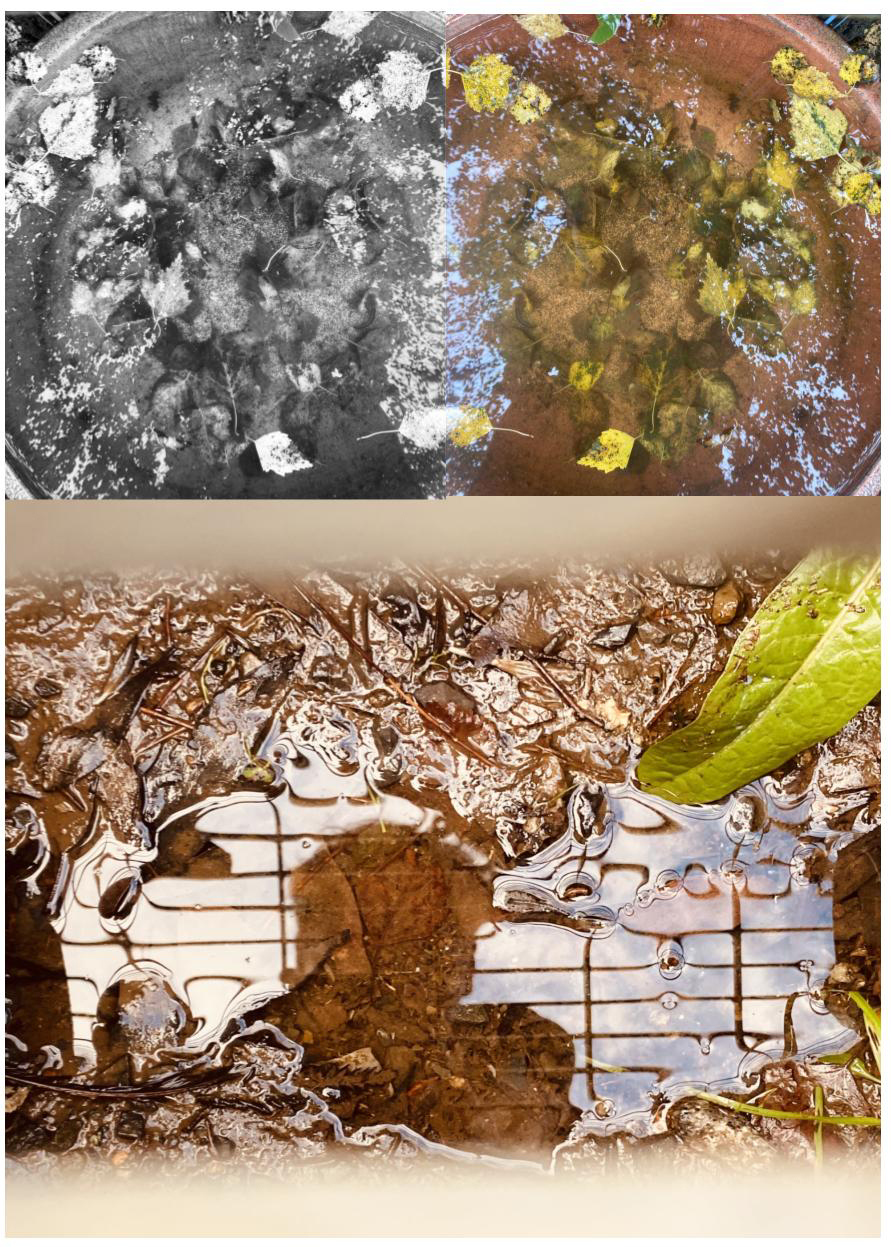
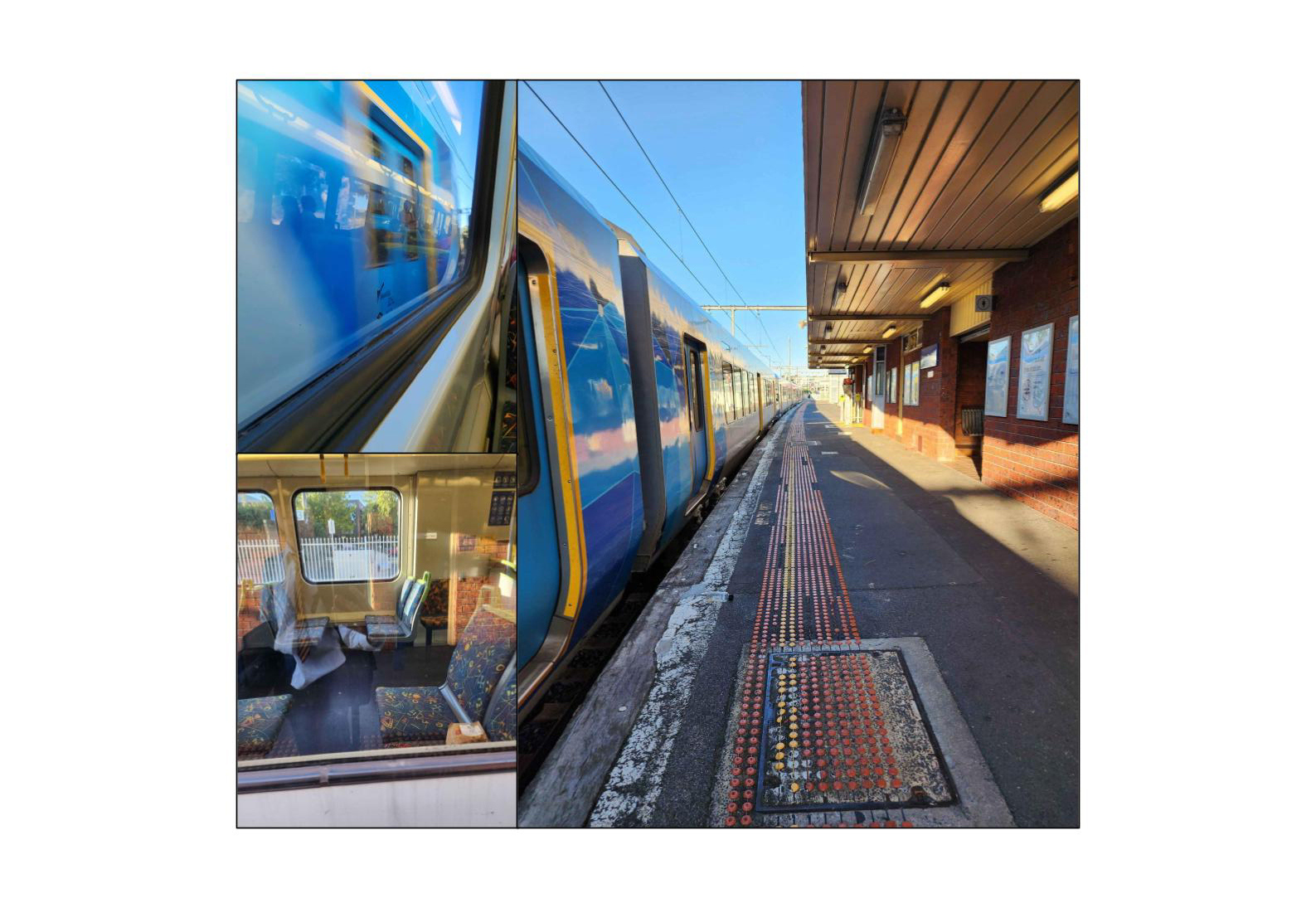
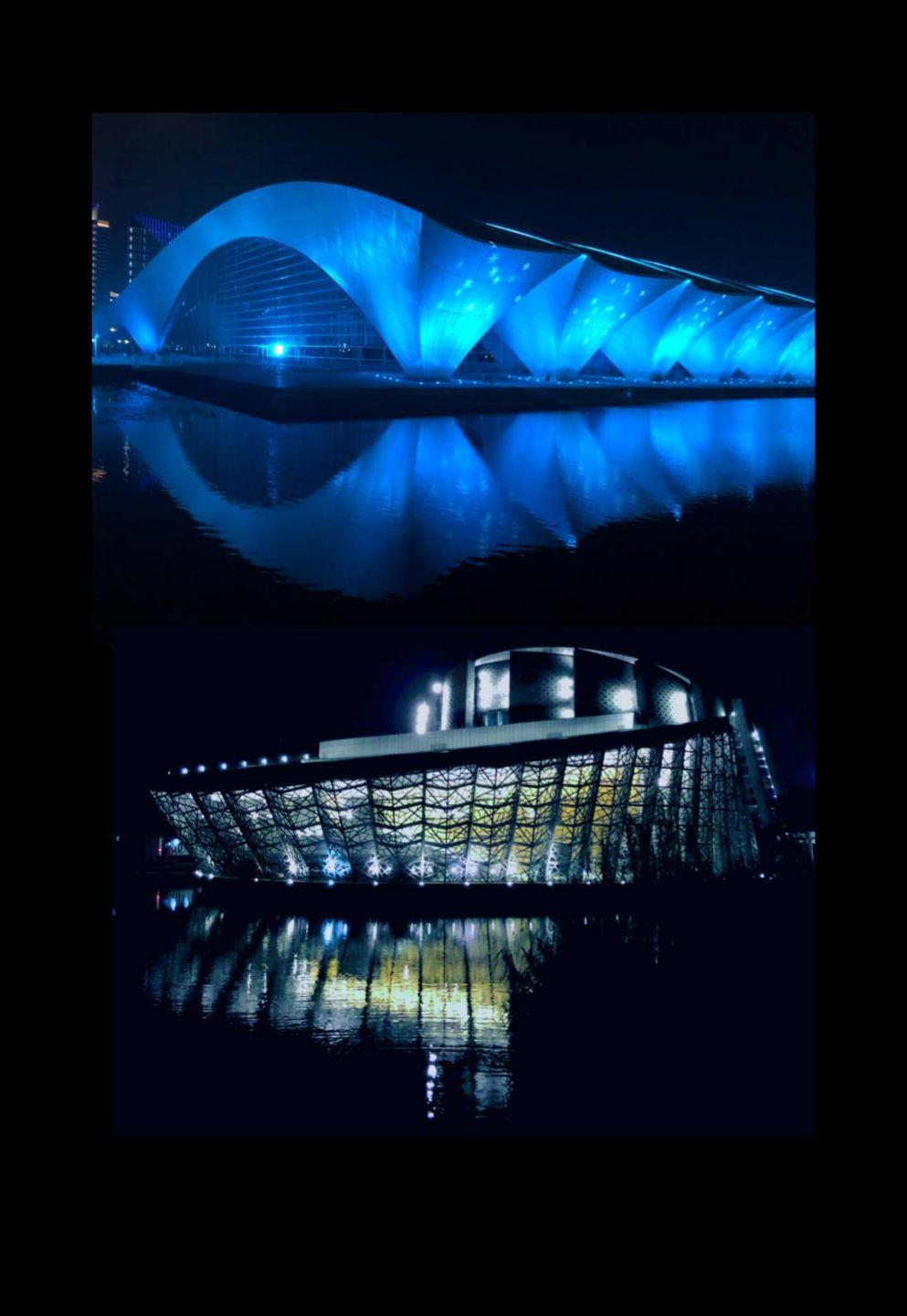
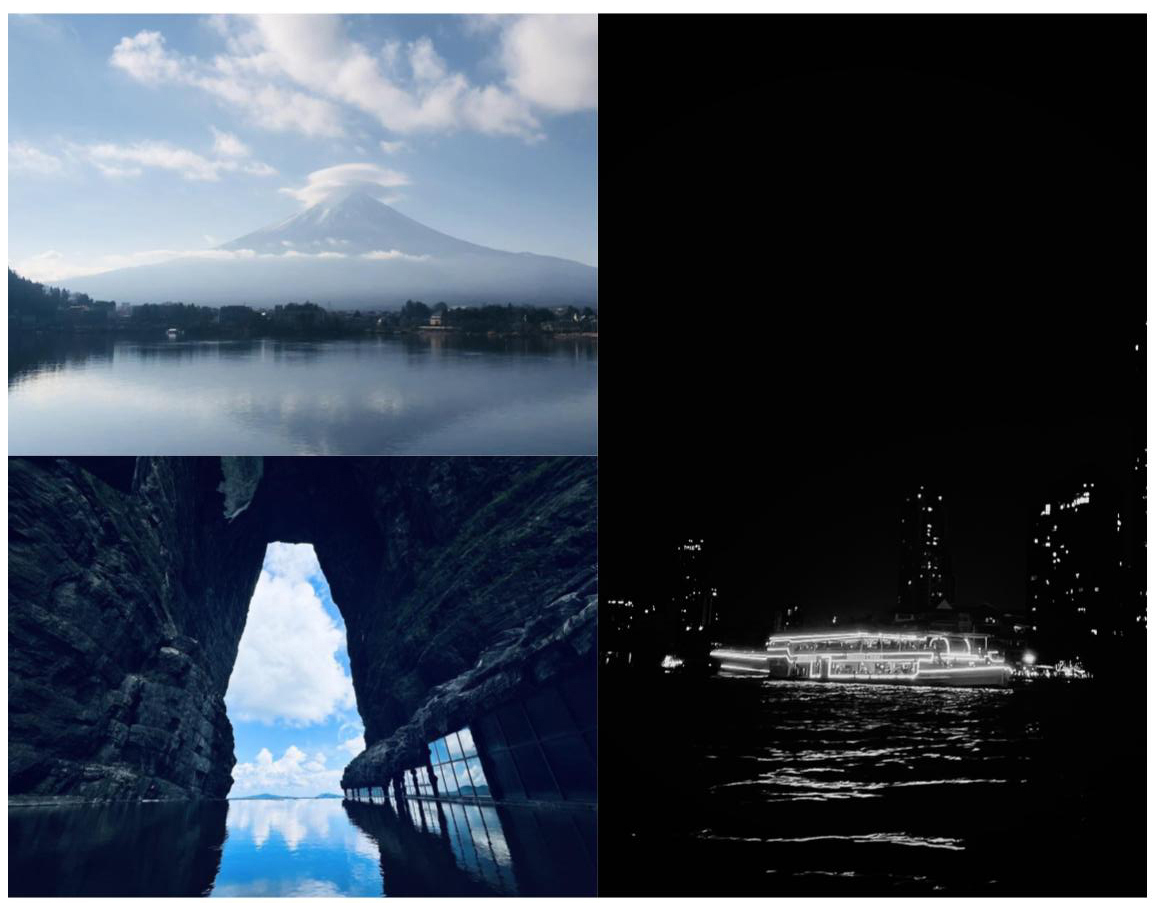
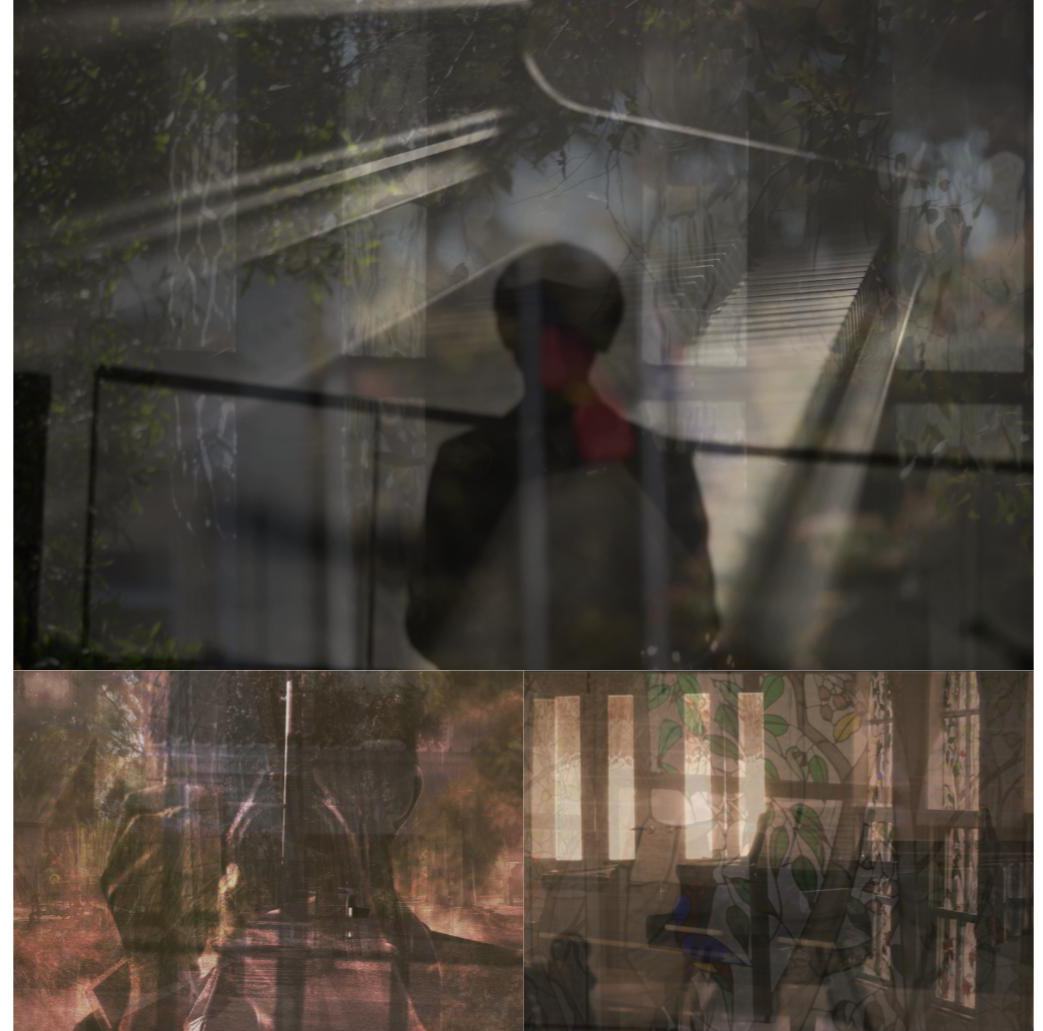
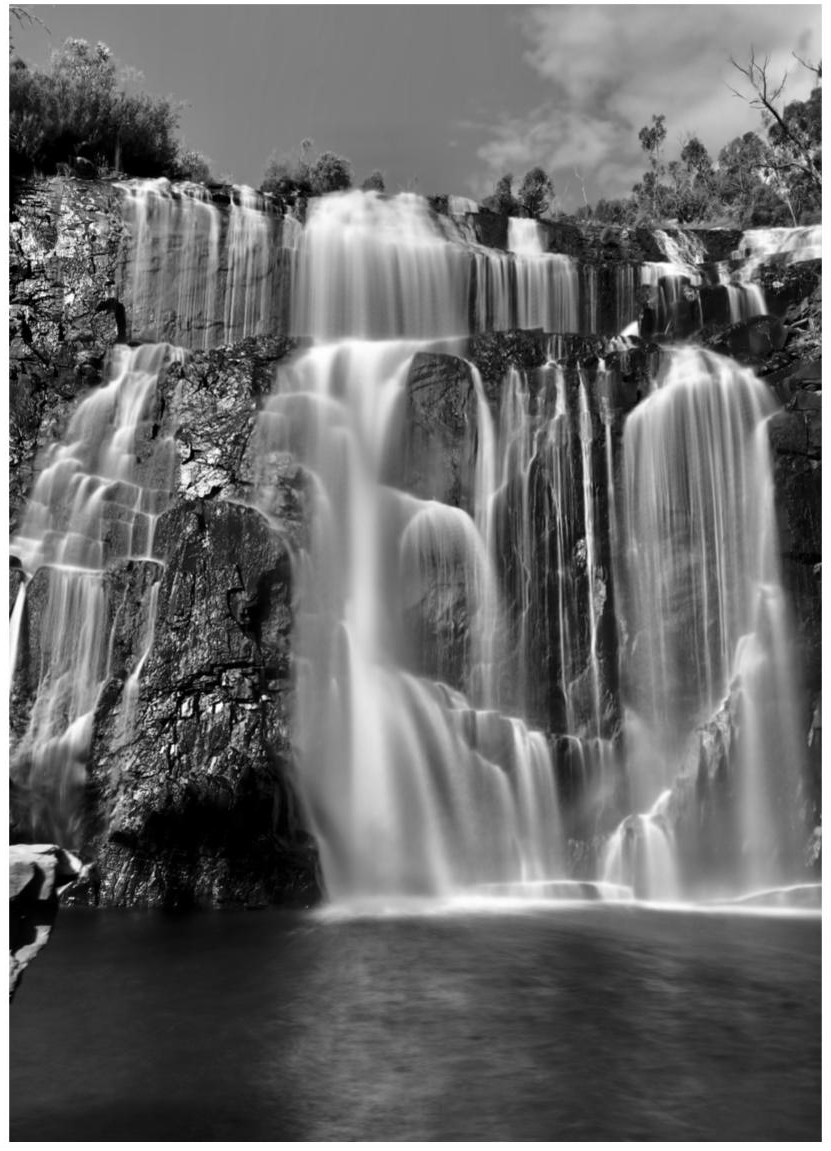
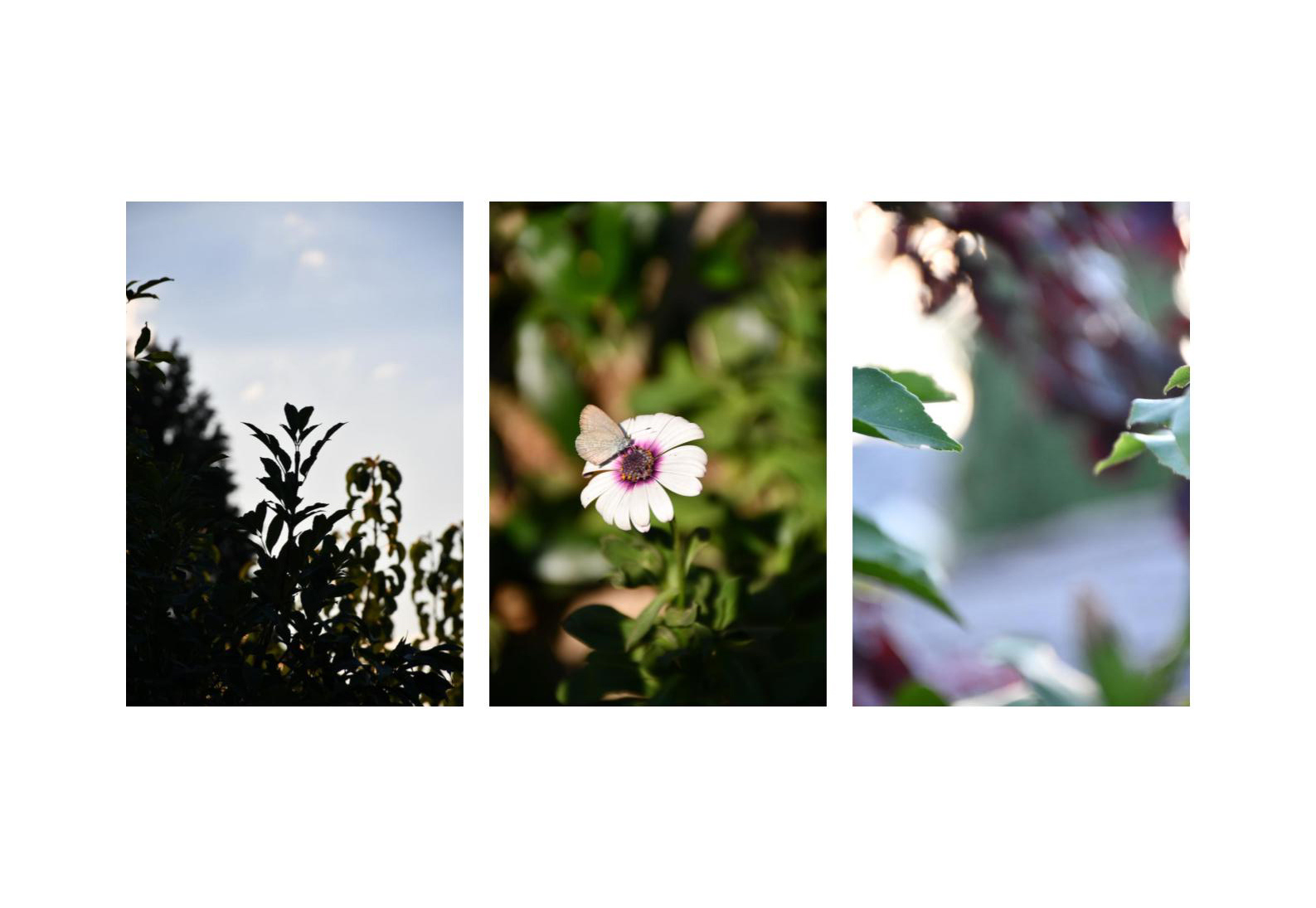
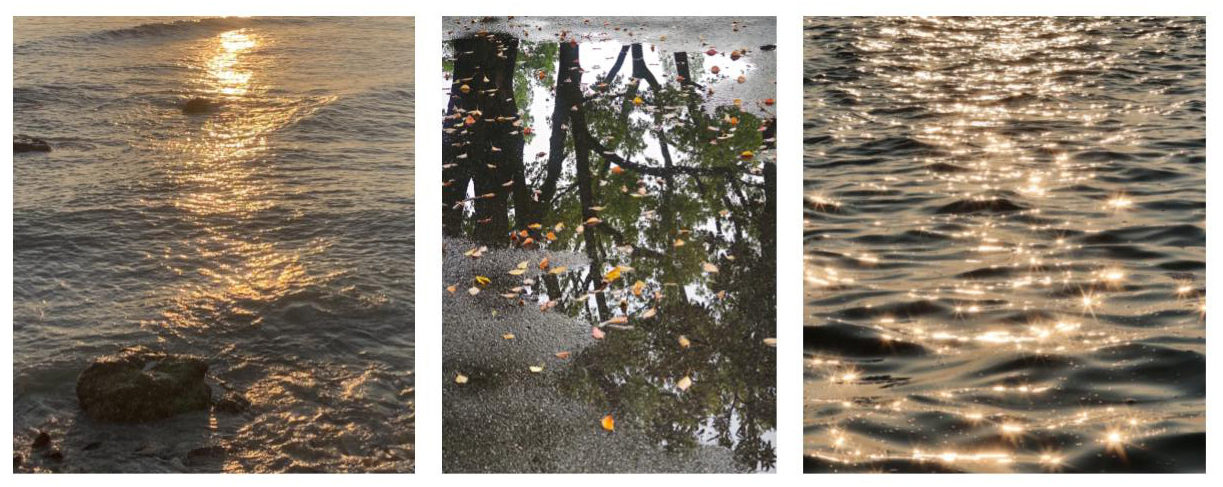
In this unit of work, students created a series of photographs that demonstrate and develop their understanding of effective photographic composition. Using either Viewpoints, Movement or Reflection as a starting point, students explored and developed their ideas through experimentation, personal interpretation, alongside research and analysis of other artists and photographers.
Throughout the process, students refined their technical and creative skills by editing, cropping and adjusting their images to strengthen composition, mood and visual impact. Careful consideration was given to how each photograph communicated meaning and connected to the chosen theme.
From this exploration, students selected three photographs as their resolved pieces, ensuring that the images worked cohesively together as a unified body of work. The final collection reflects both individual creativity and an understanding of photographic techniques and visual storytelling.
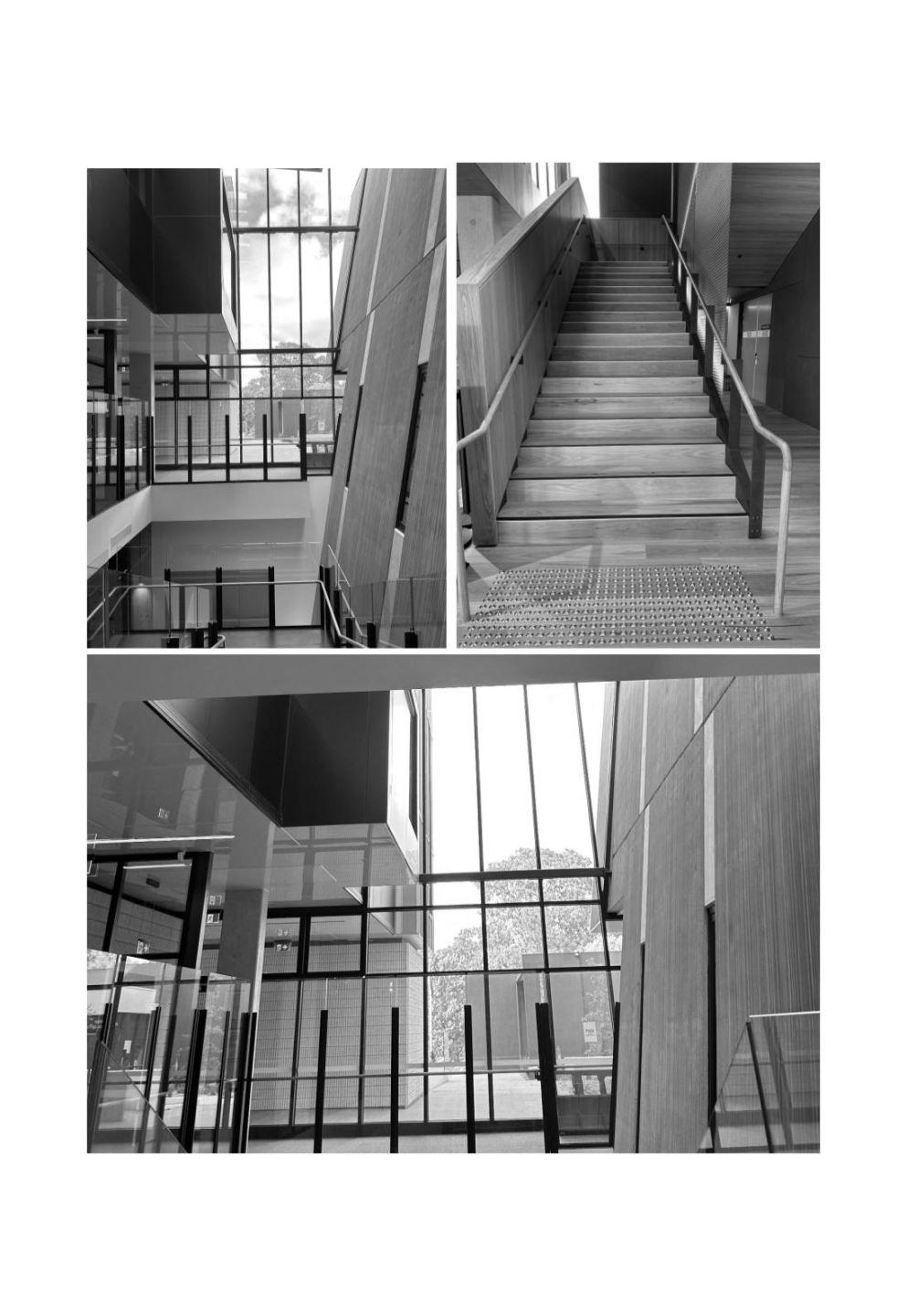
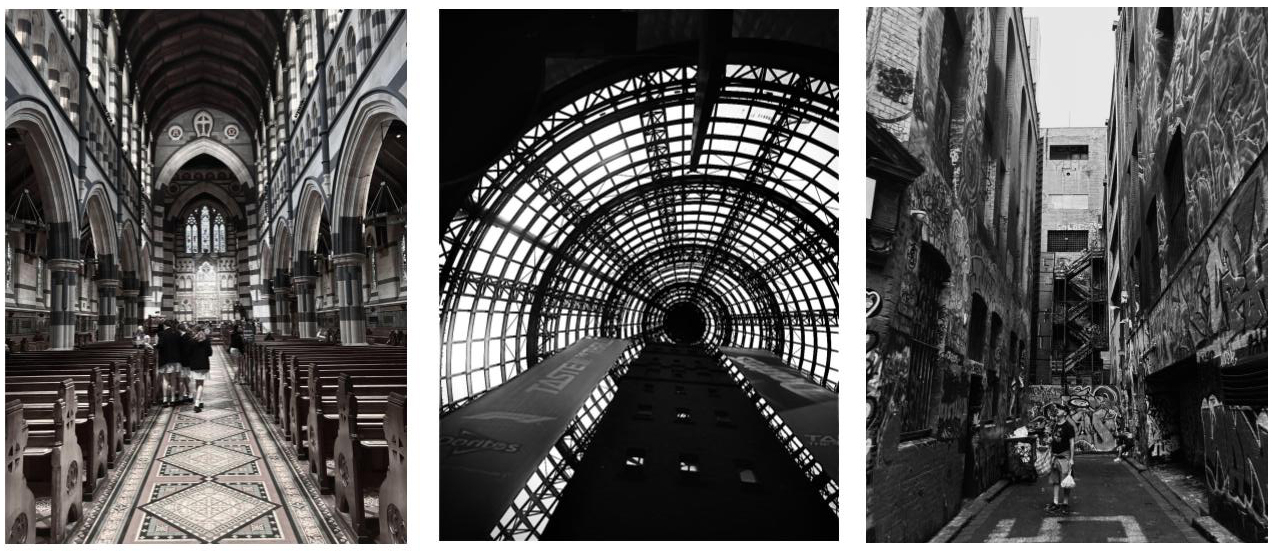
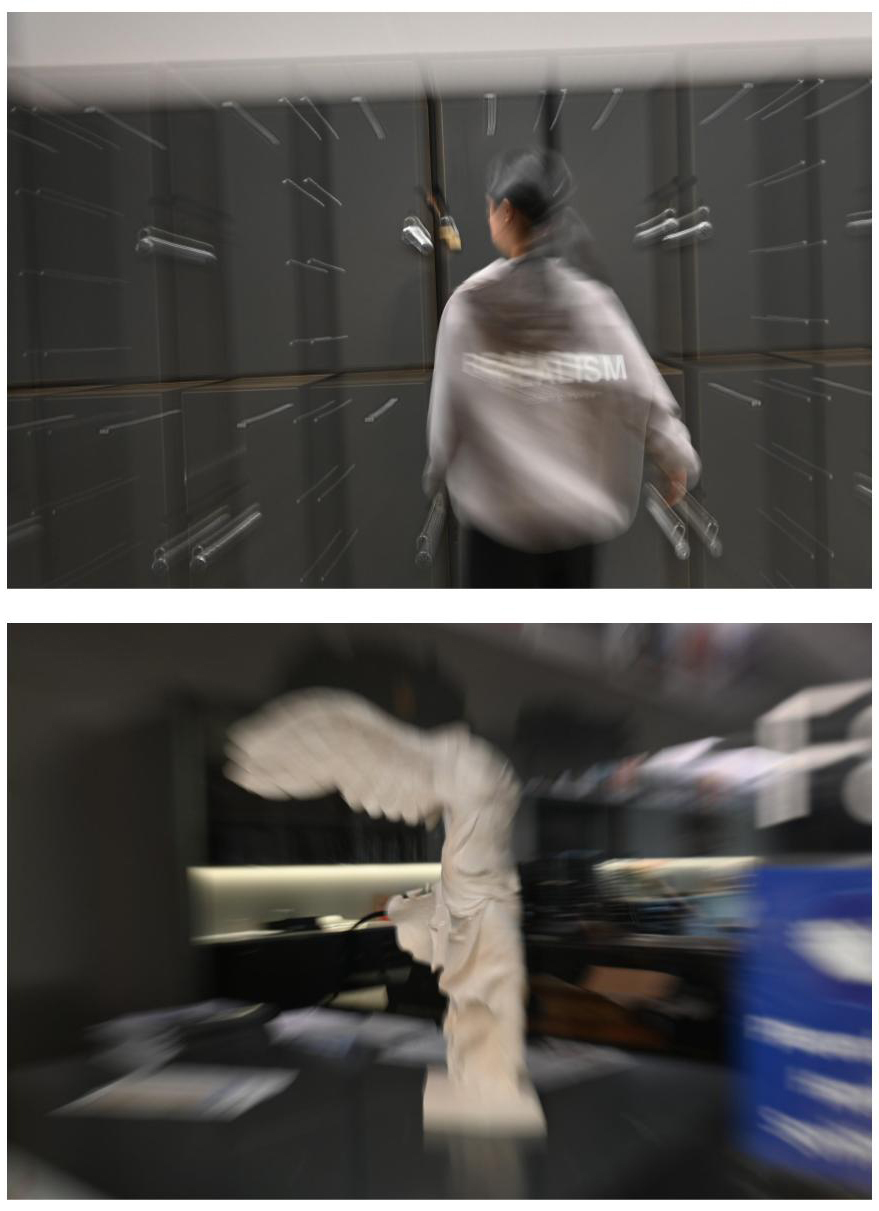
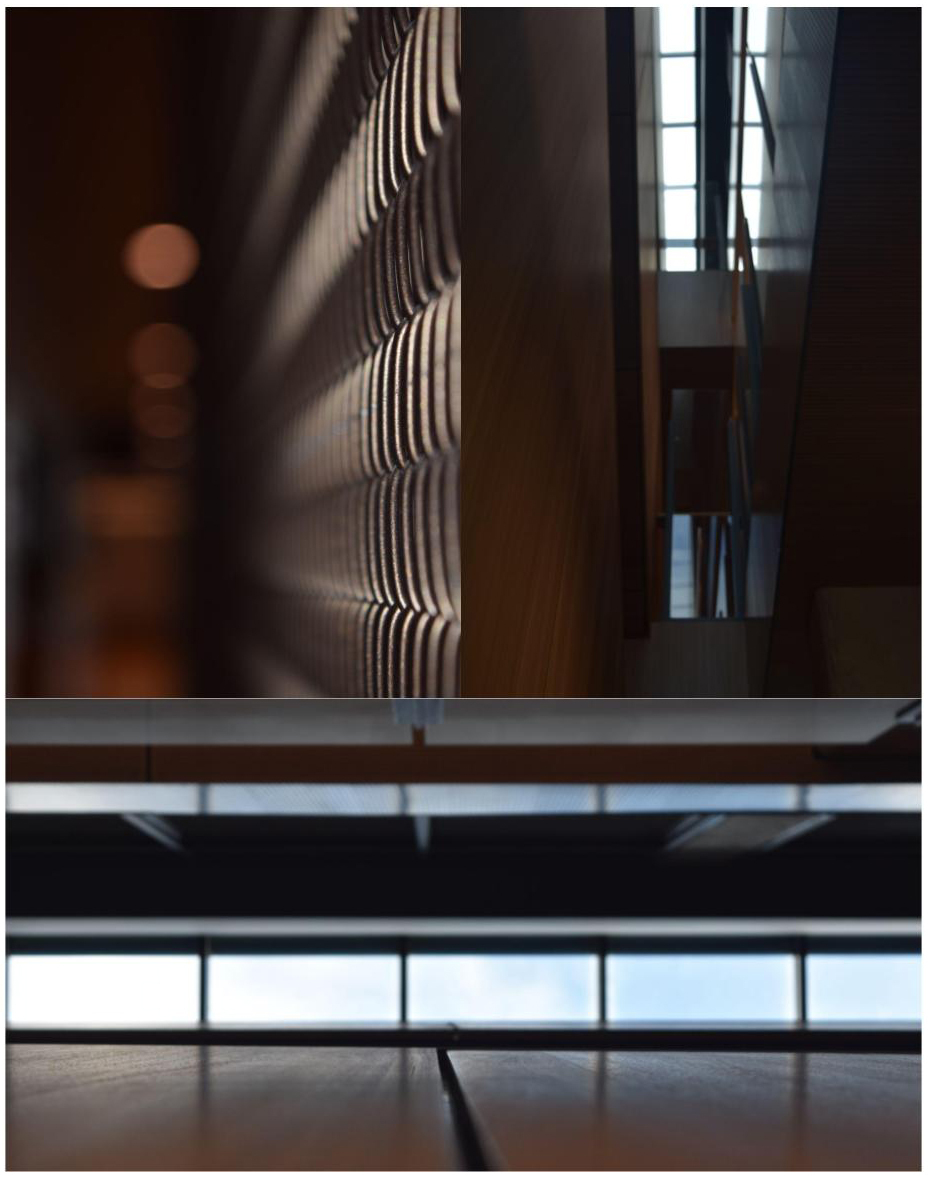
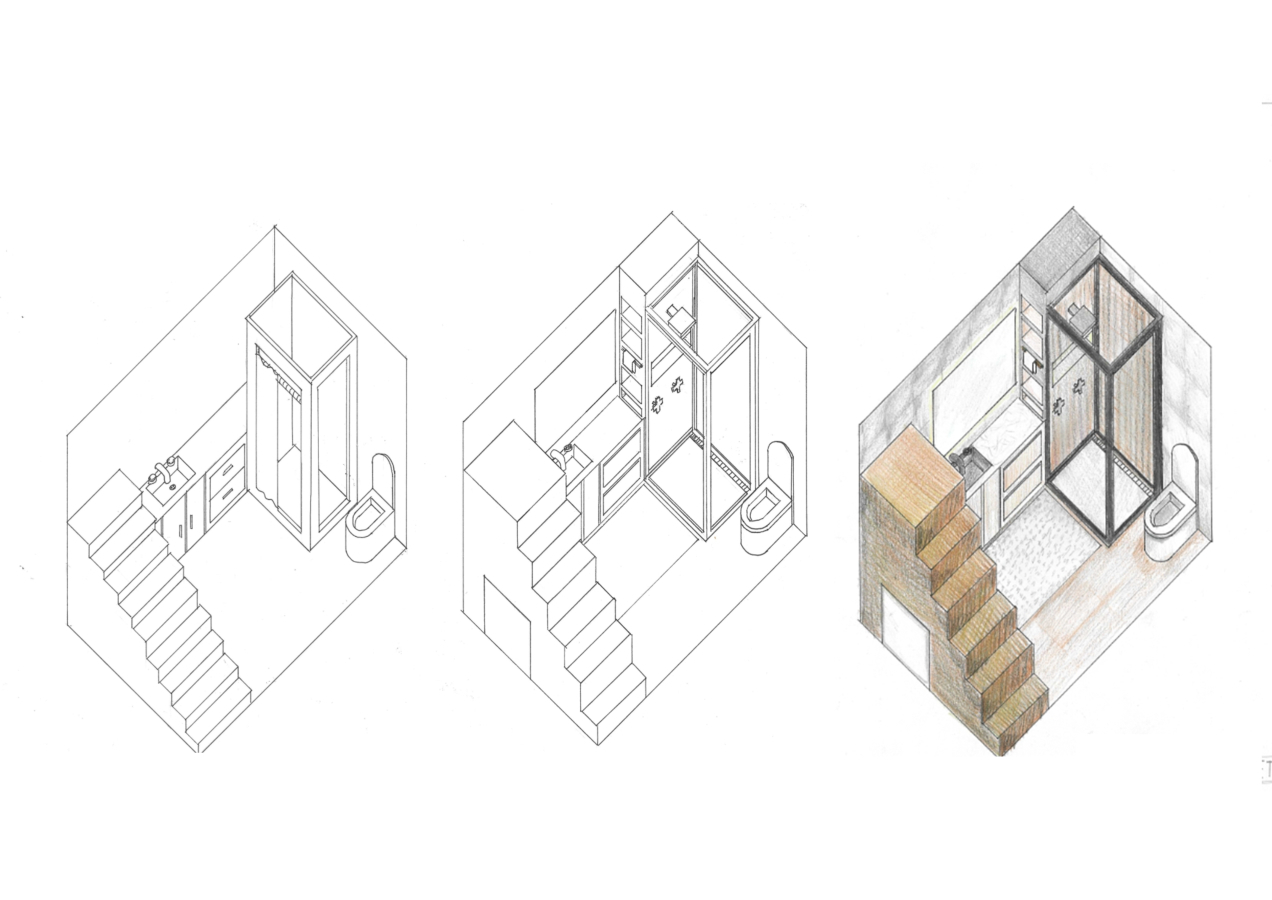
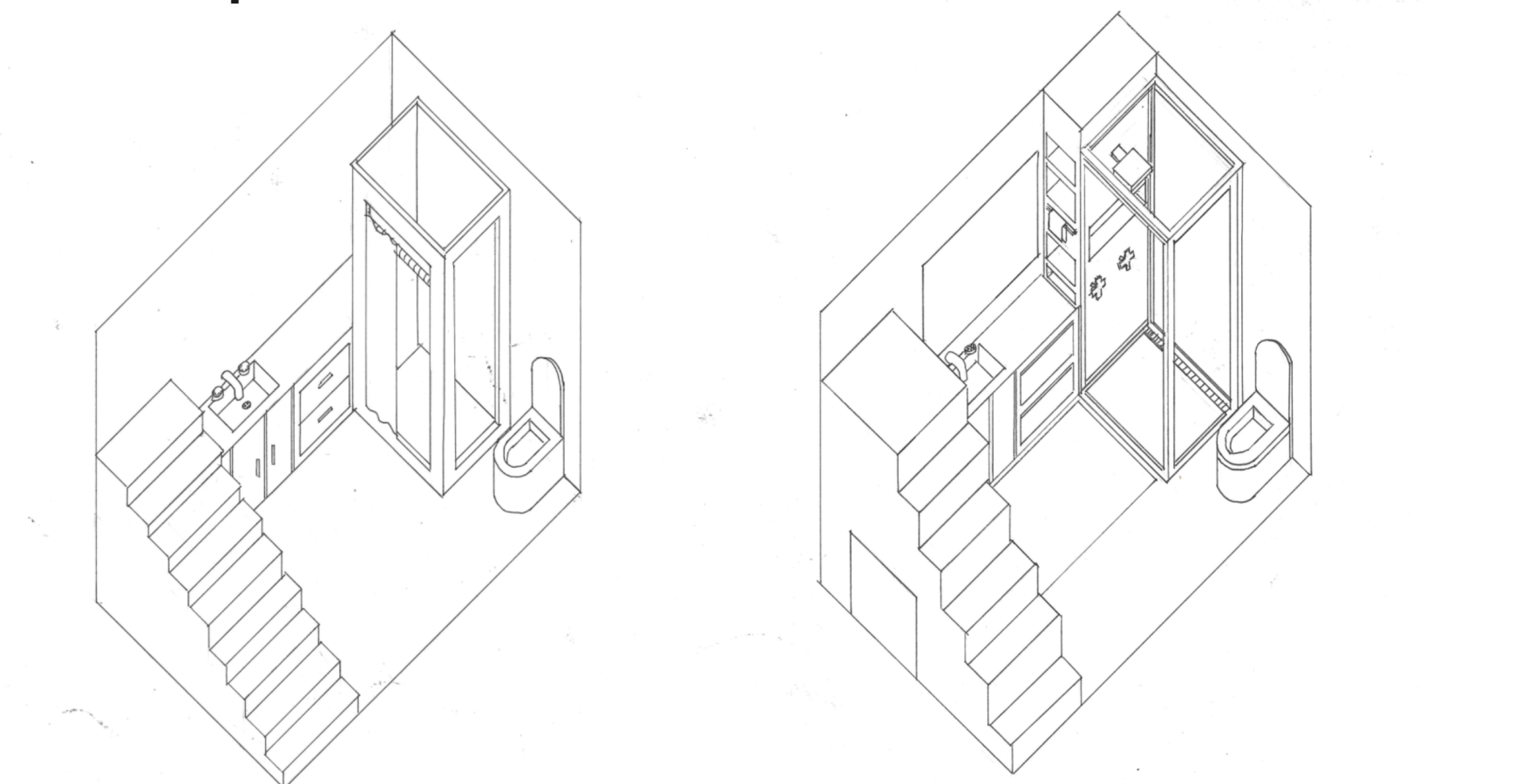
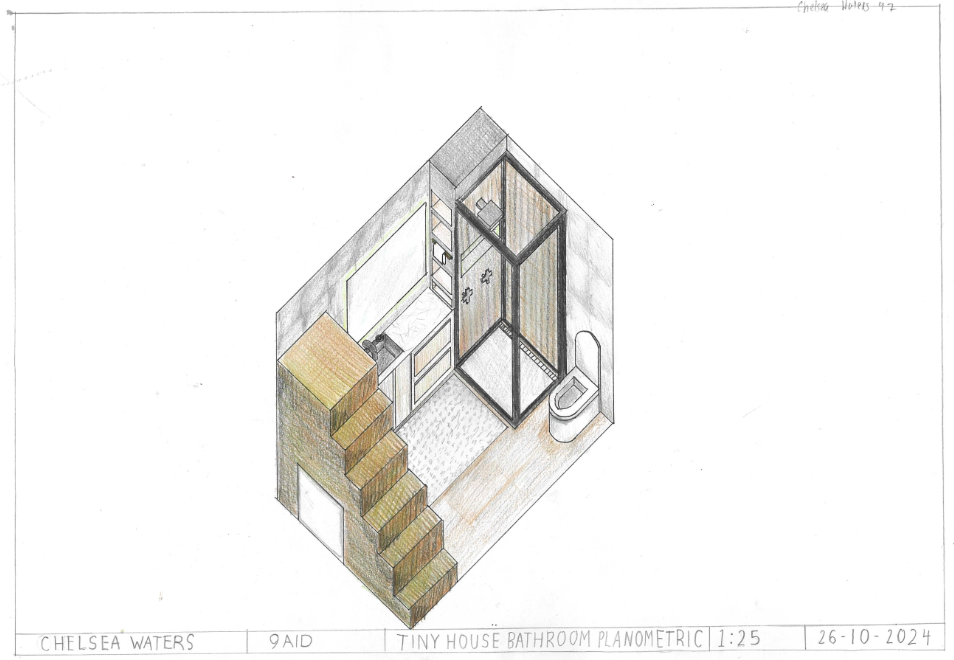
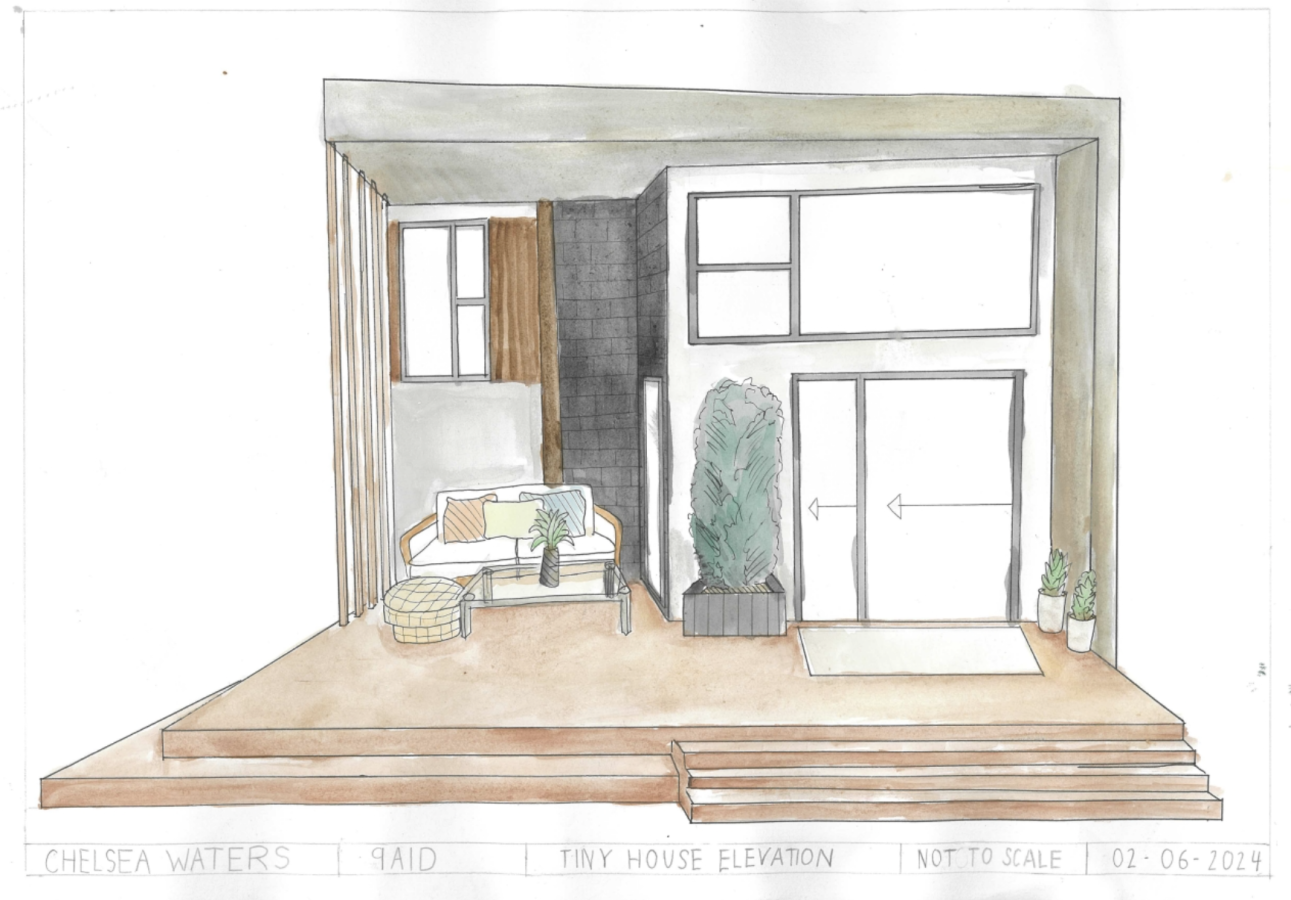
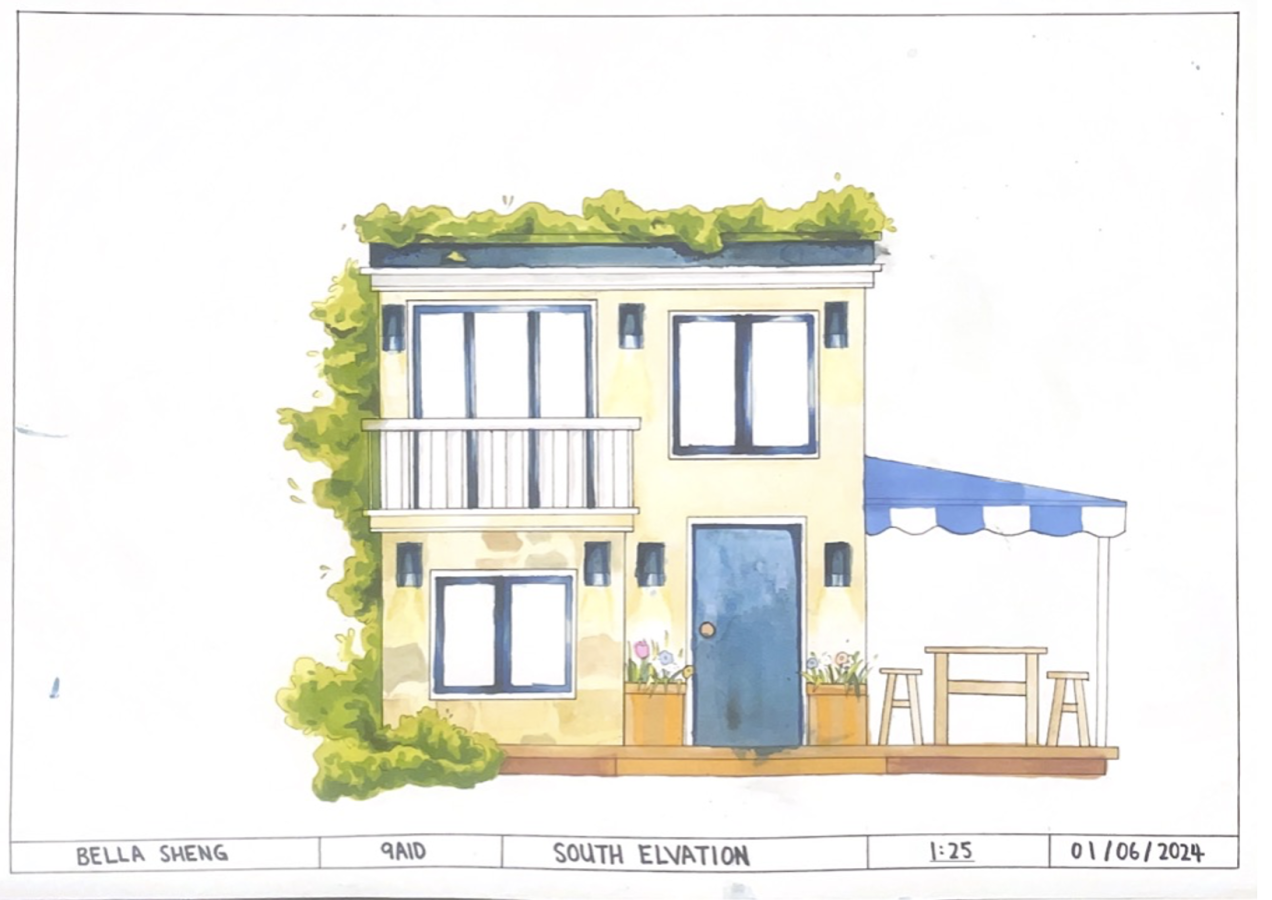
In this unit of work, students work through the design process to develop a final concept in response to their chosen design brief. The assignment focuses on developing students' understanding of technical drawing conventions and the rules associated with these drawing styles. Architectural design incorporates not only structural factors but also external factors of the surrounding area. Students are encouraged to explore not only their design thinking but also to justify their choices as a designer.
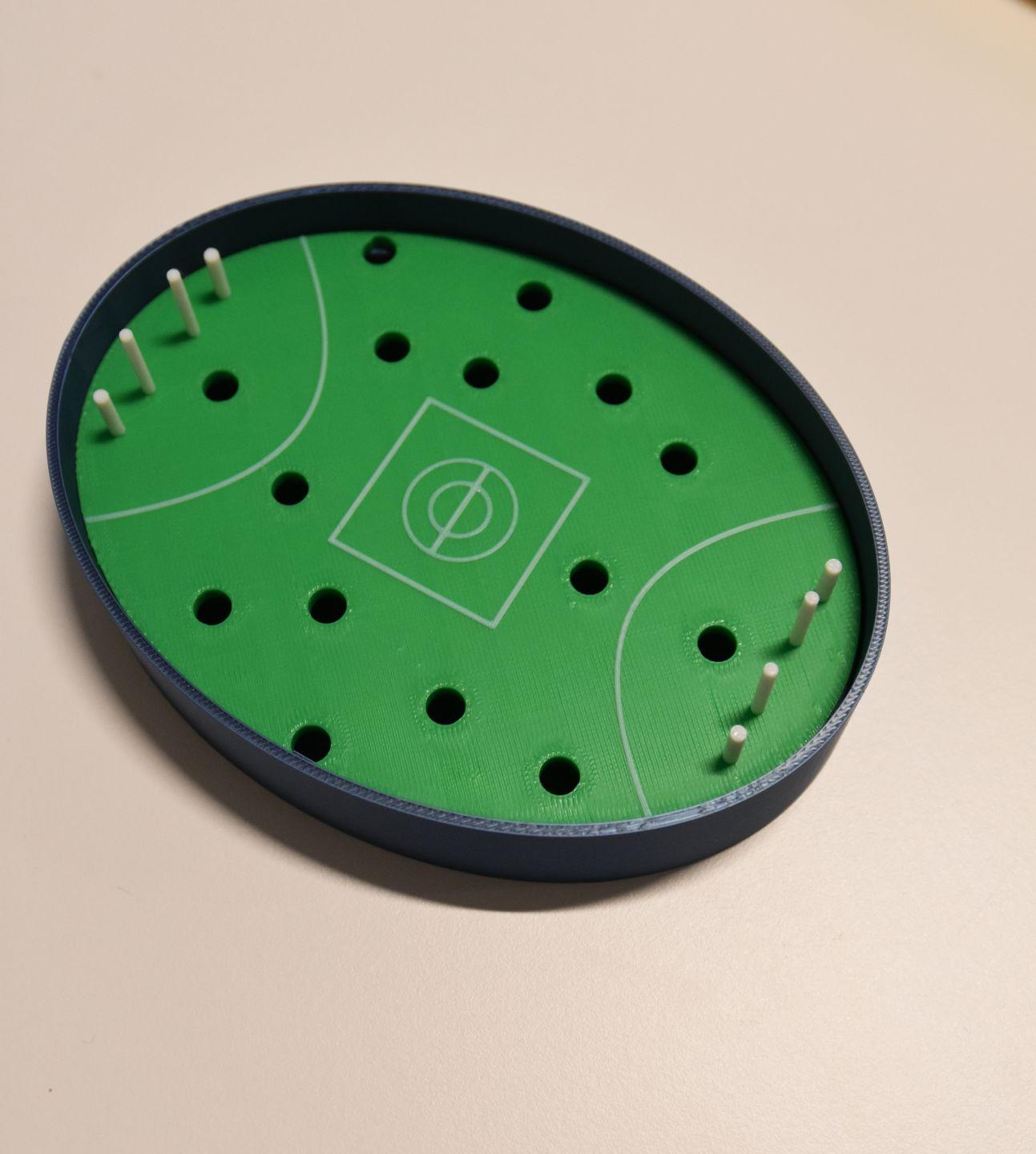
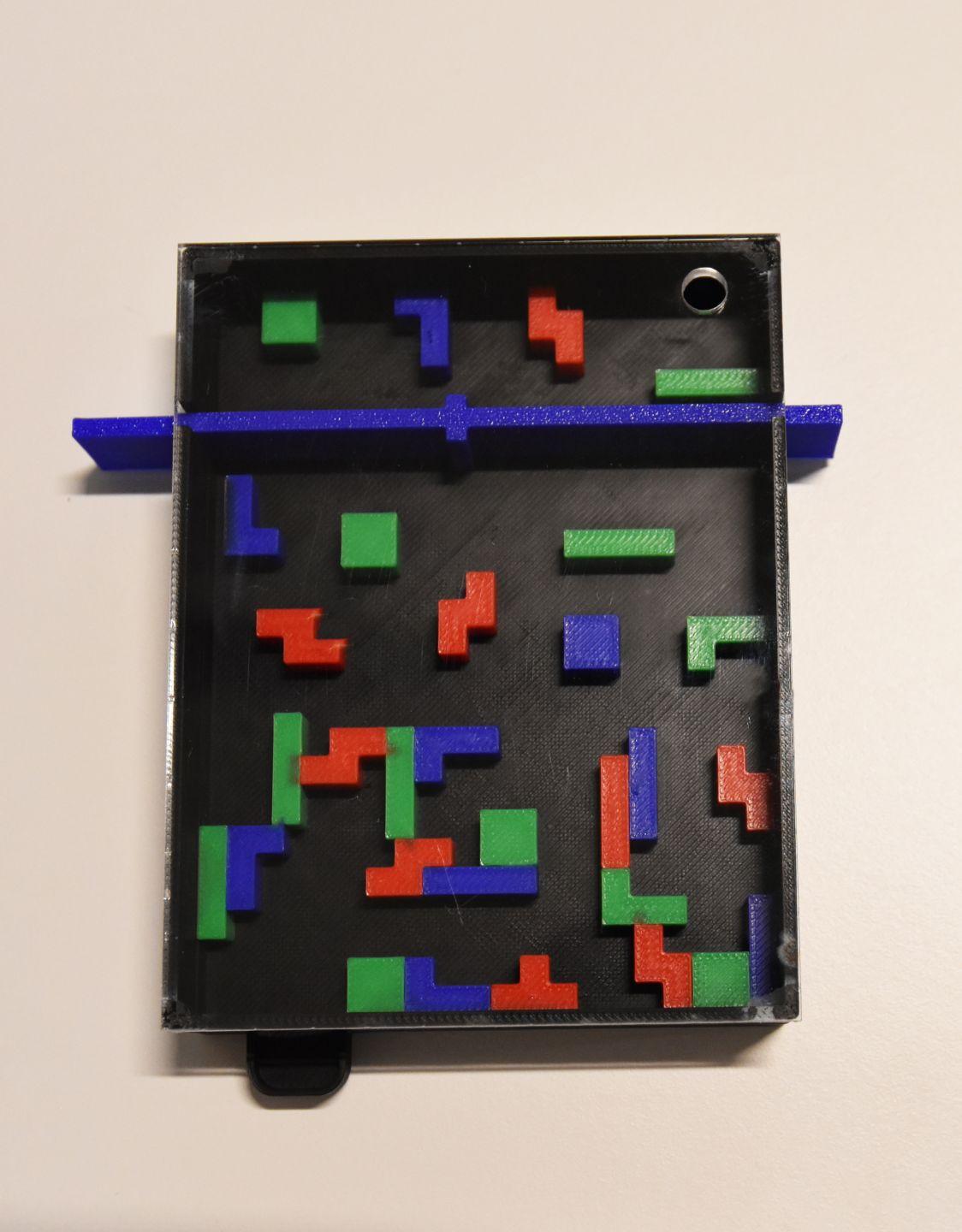
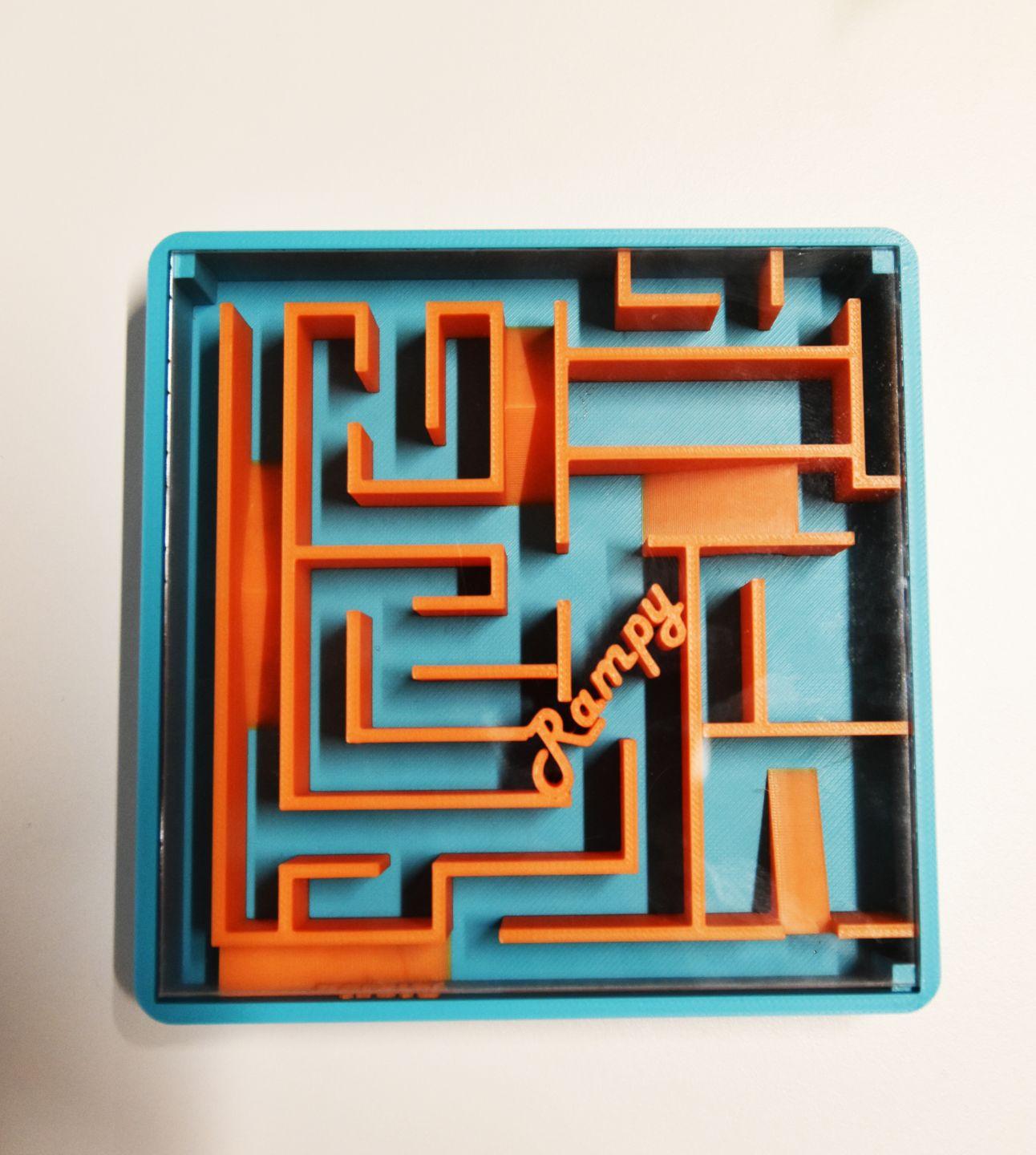
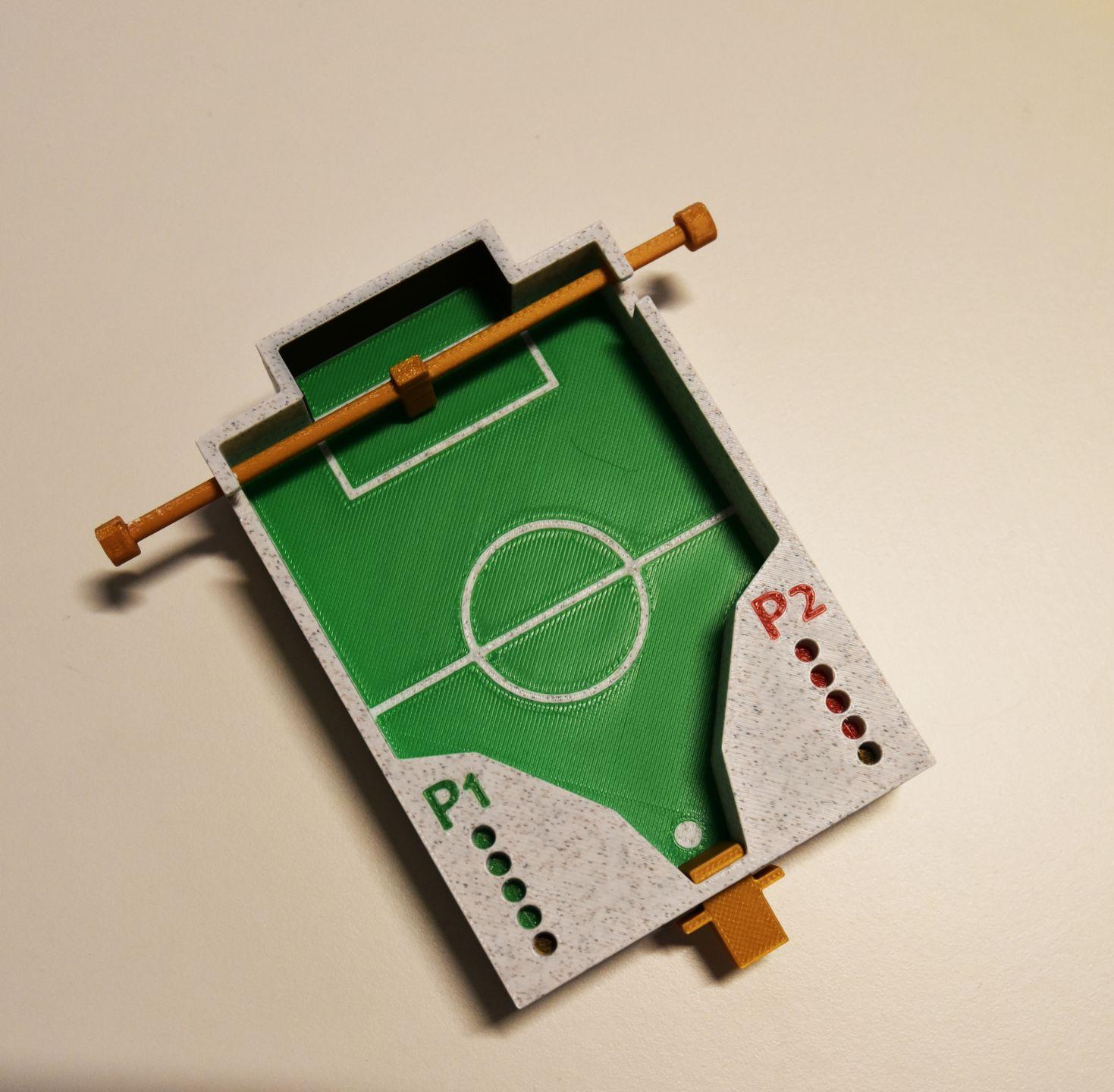
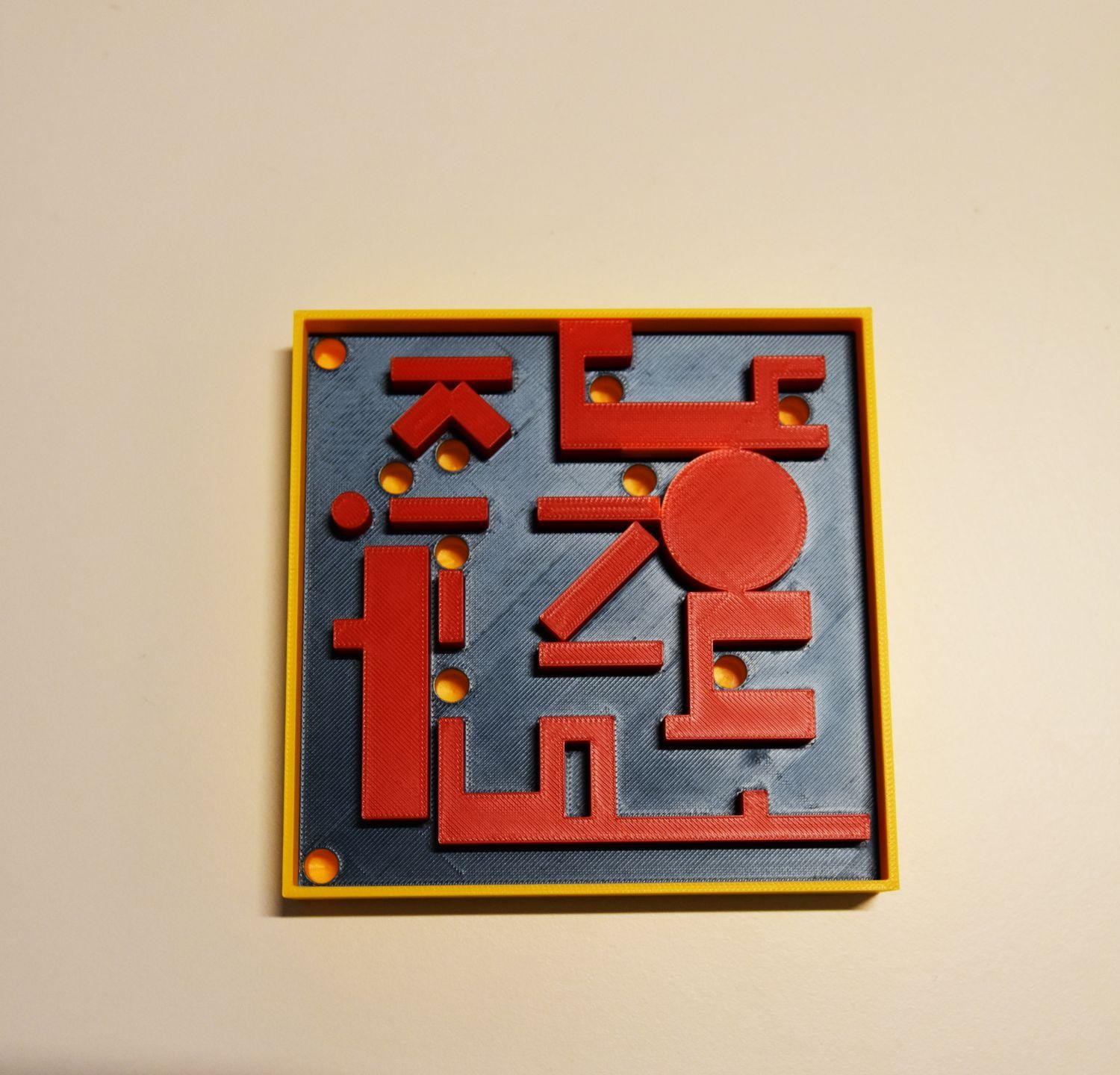
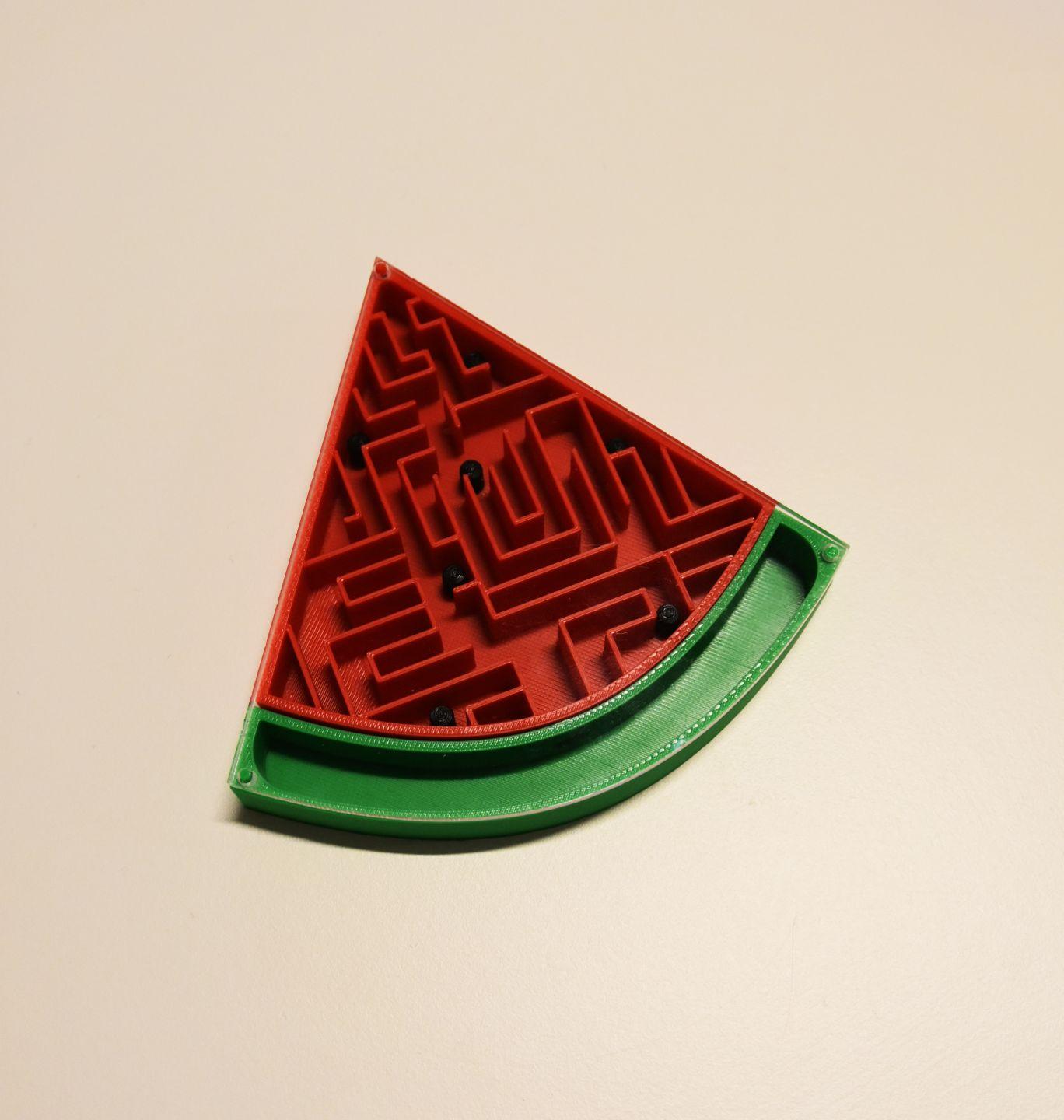
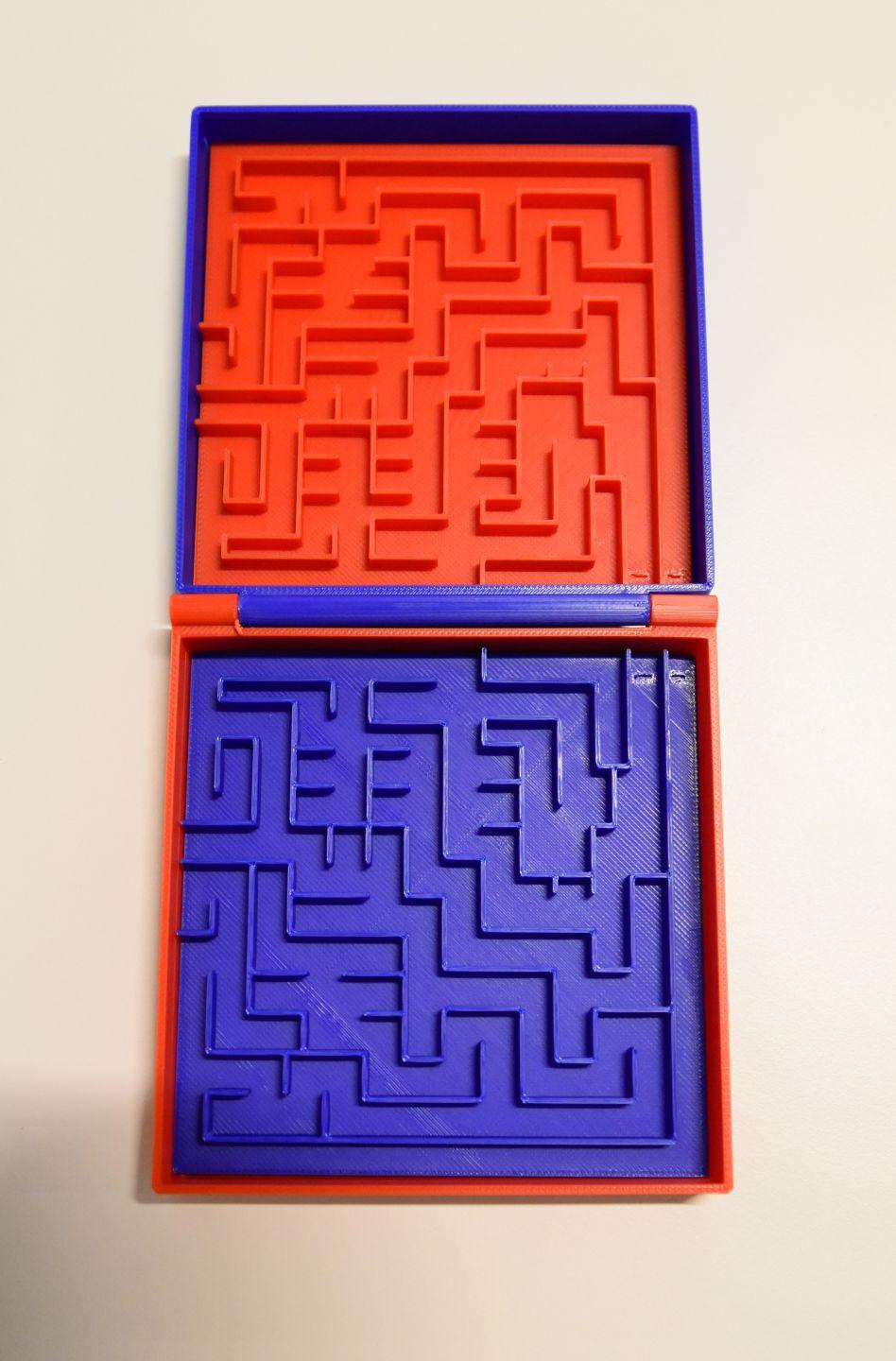
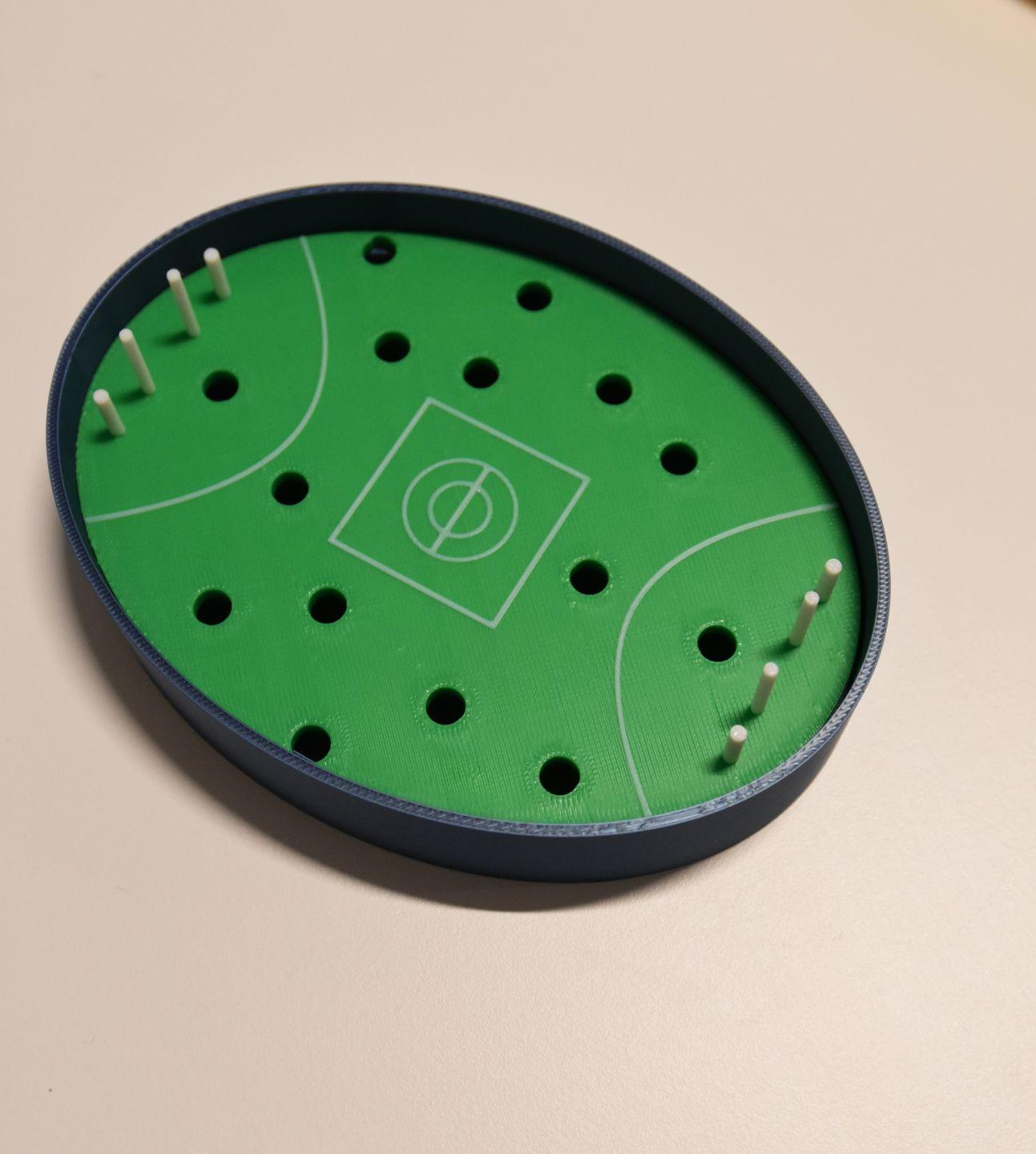
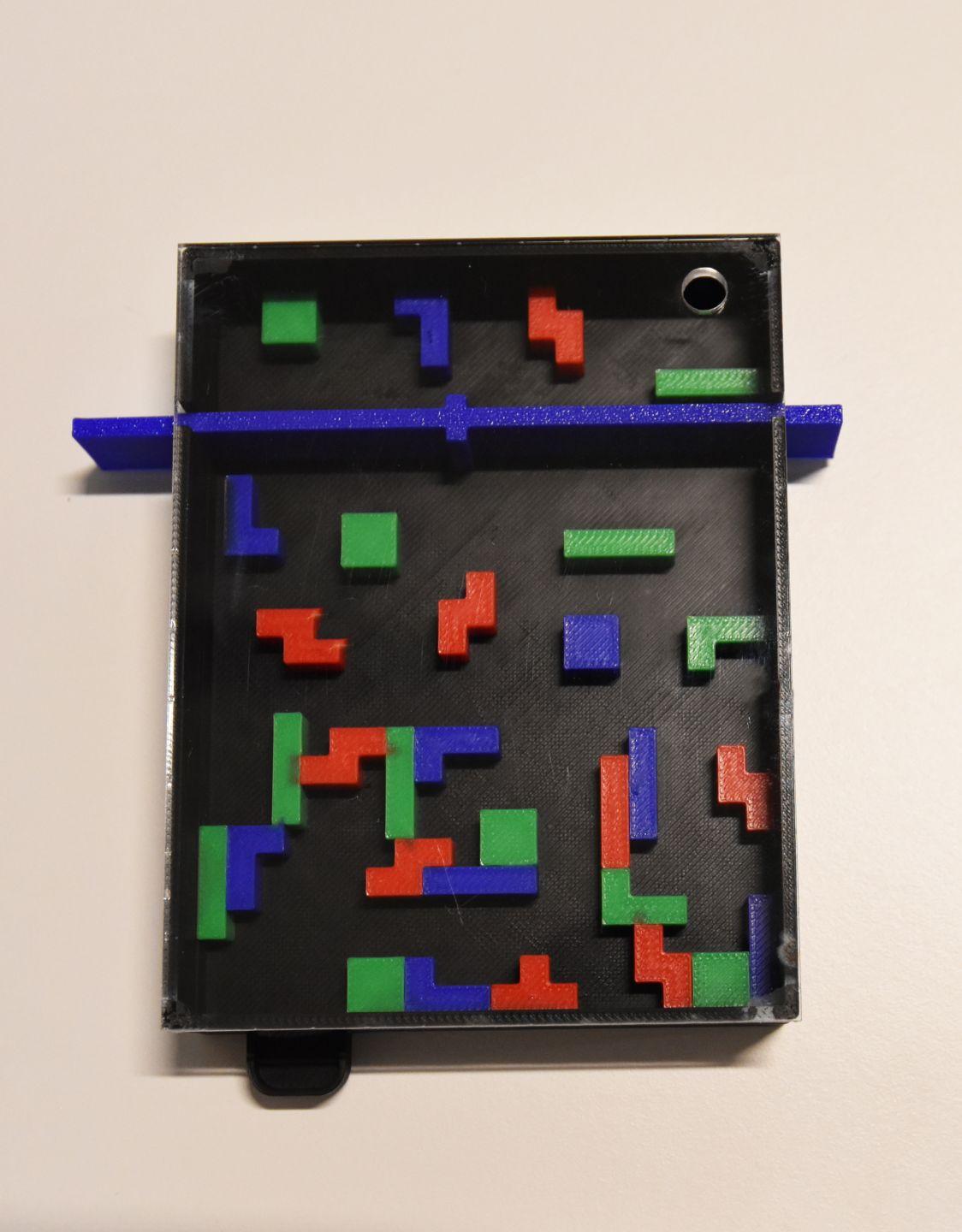
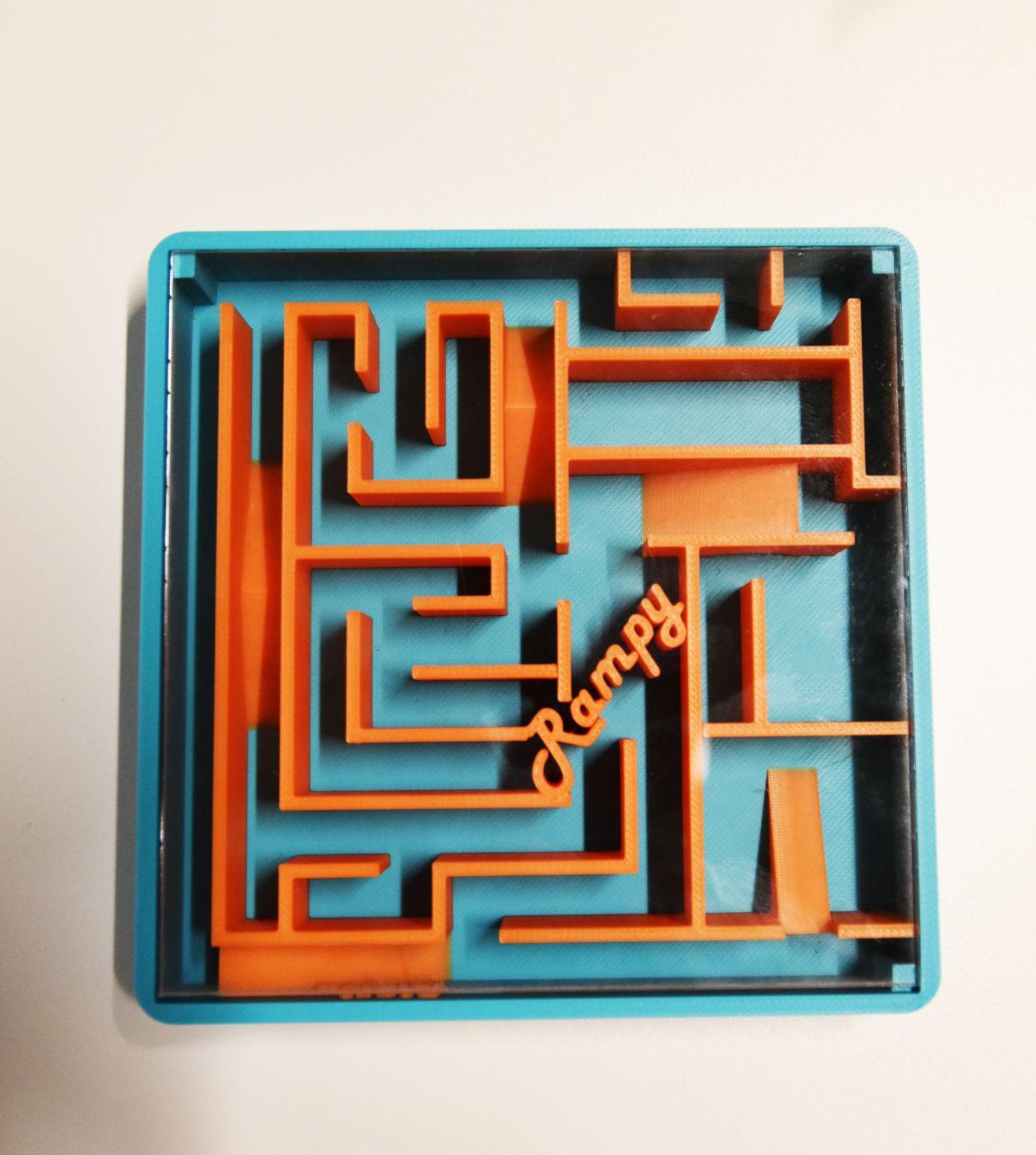
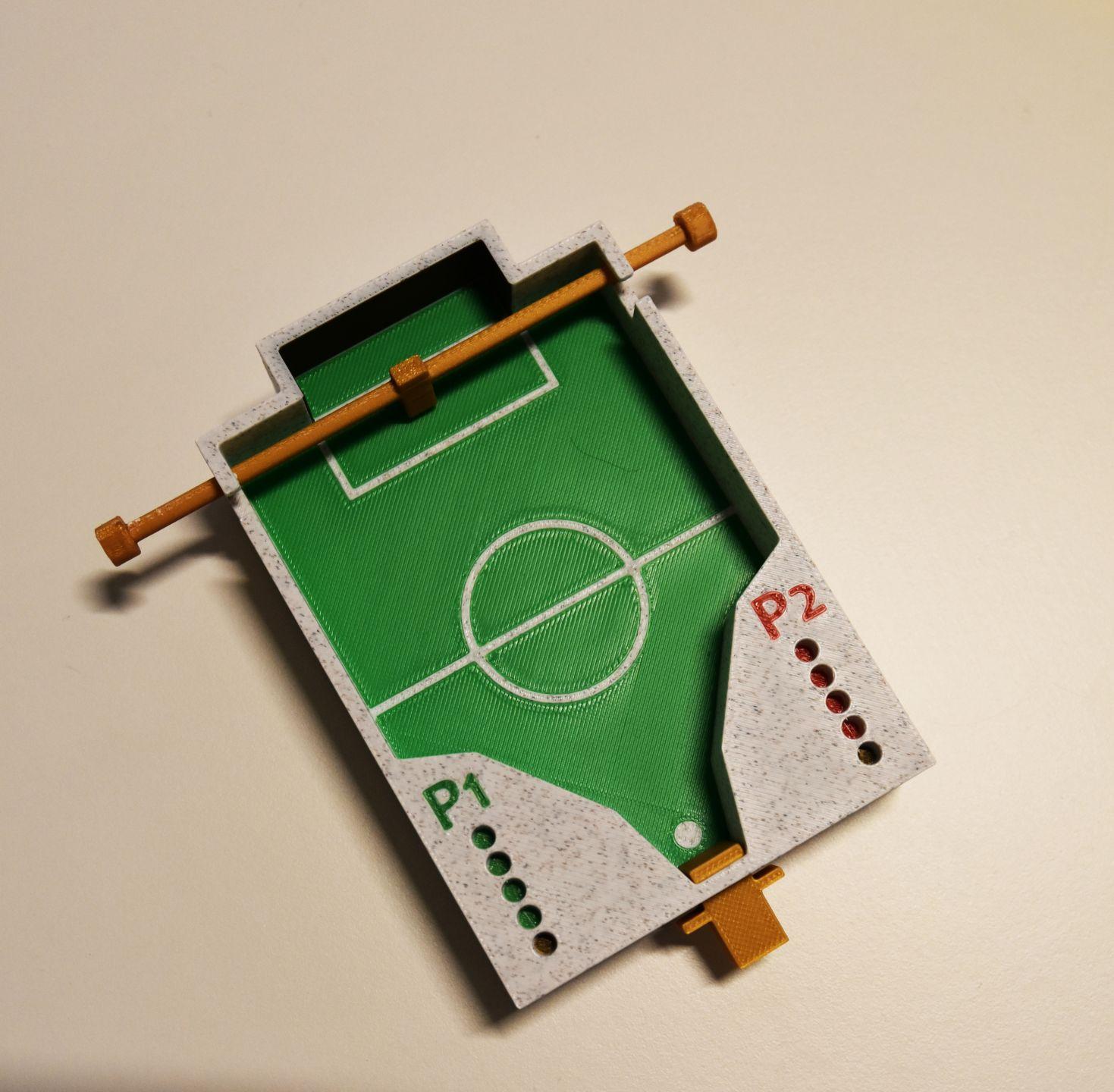
In this unit of work, students design and 3D print an original interactive toy made from 2–5 parts using Computer Aided Design (CAD). The toy must include simple movements such as snapping, sliding or stacking, and be designed to fit neatly inside a custom laser-cut storage box. Students develop their ideas through a digital portfolio, and their final designs are printed and placed on display.
In this unit of work, students designed and manufactured a product that held their mobile phone and amplified the sound. The product needed to be creative and innovative both with the aesthetics ‘and function of the product. Their sustainable amplifier needed to have a high-quality finish, and students were required to follow the speciation, constraints and consideration of a design brief given to them in class.
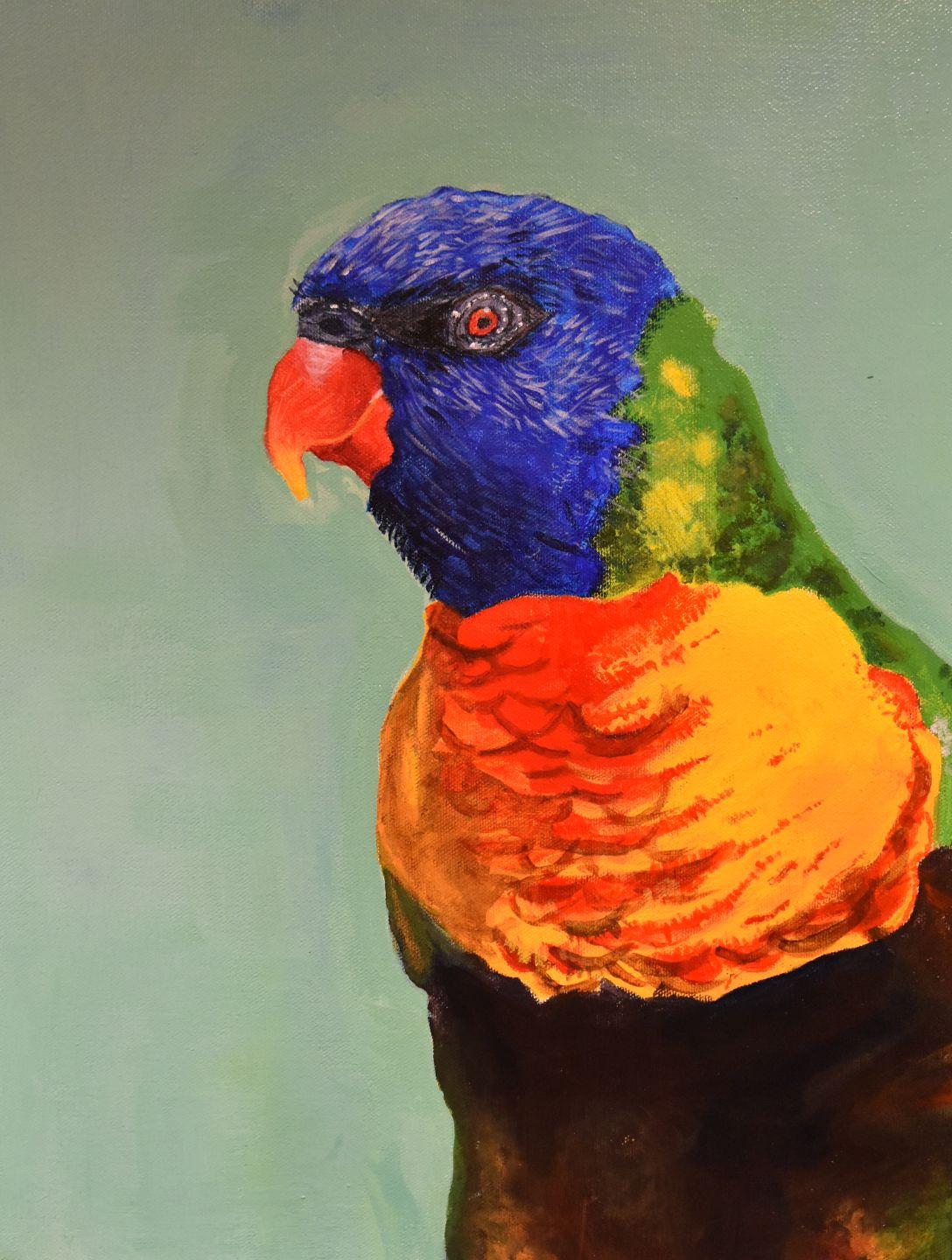
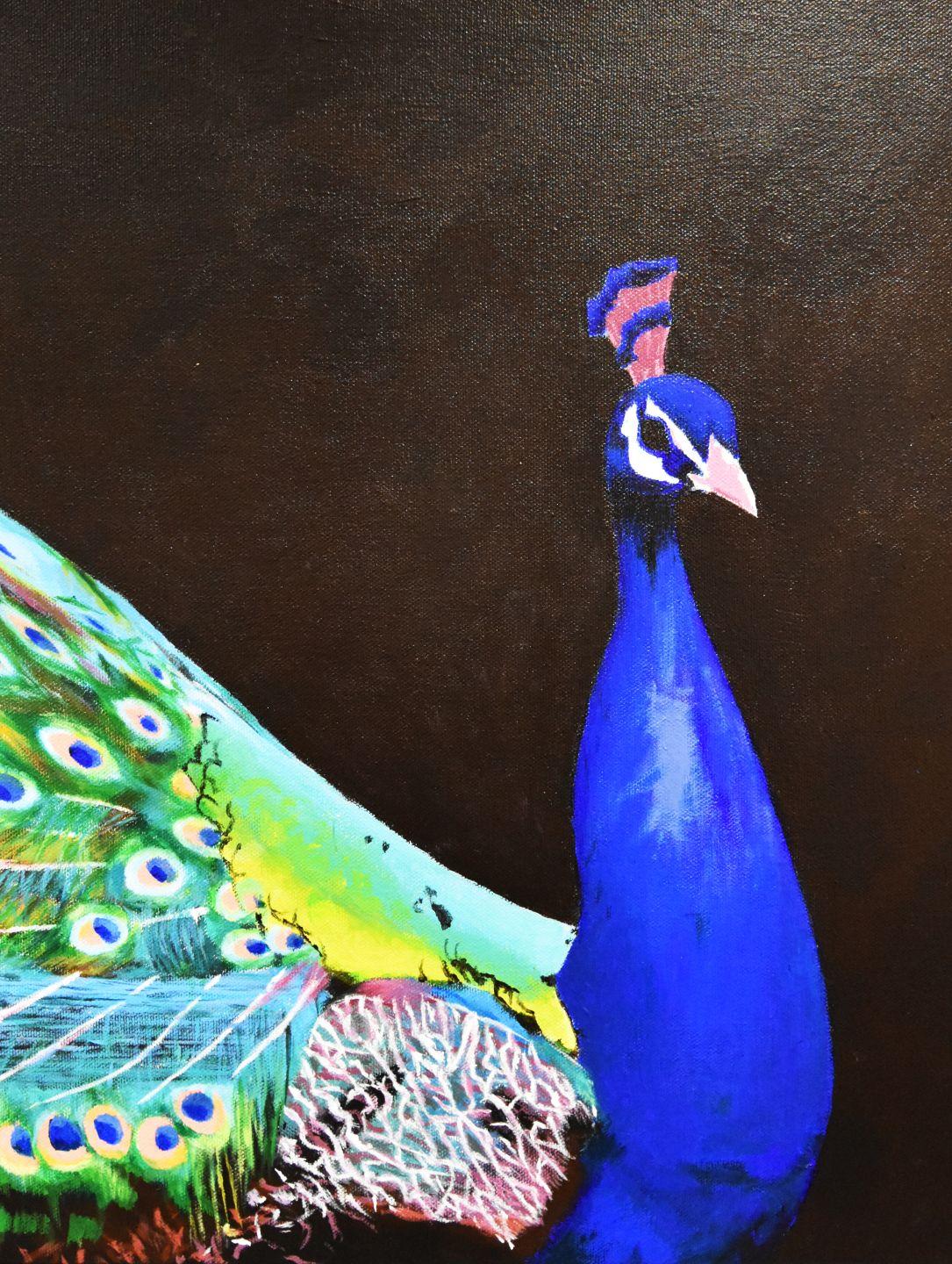
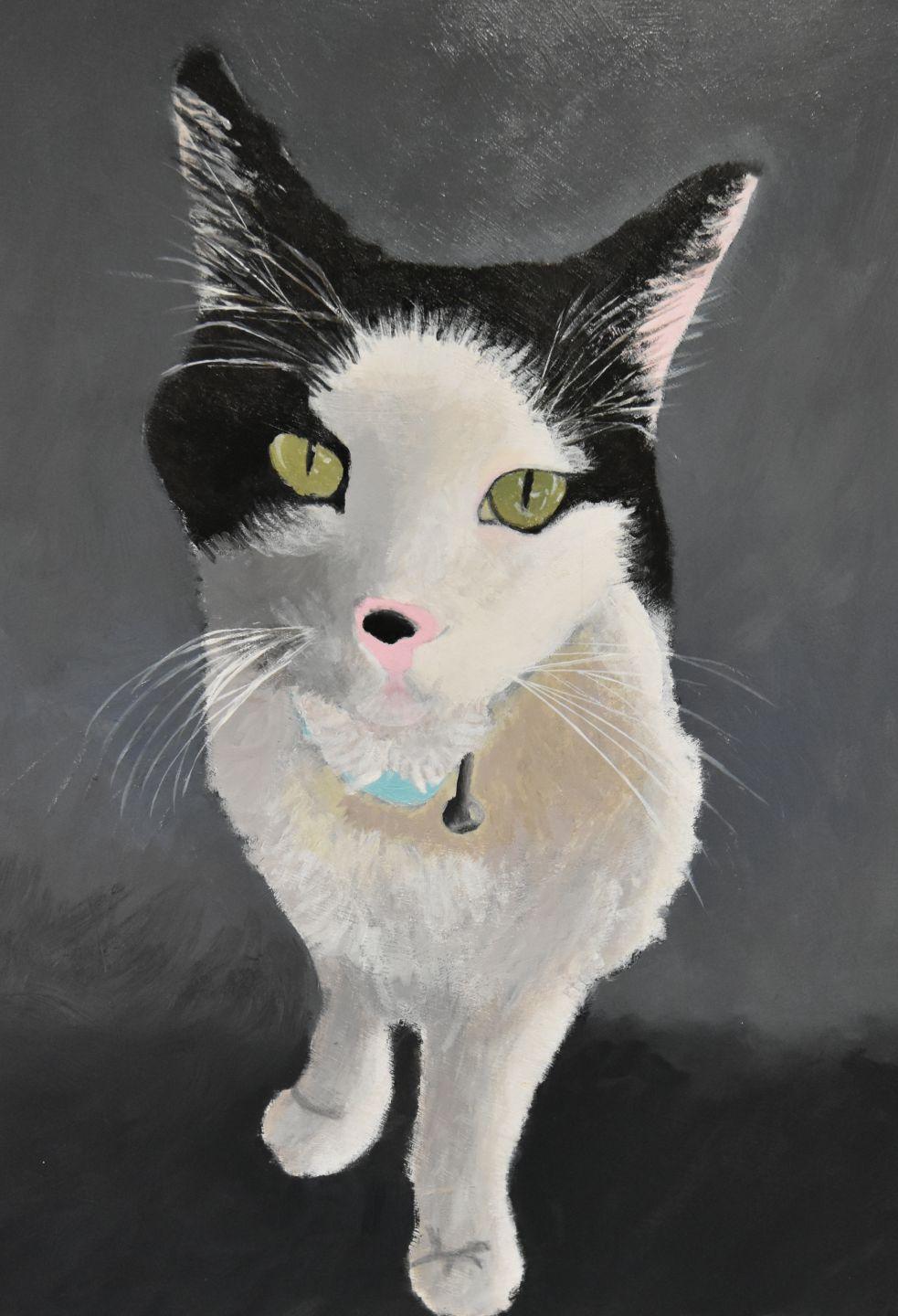
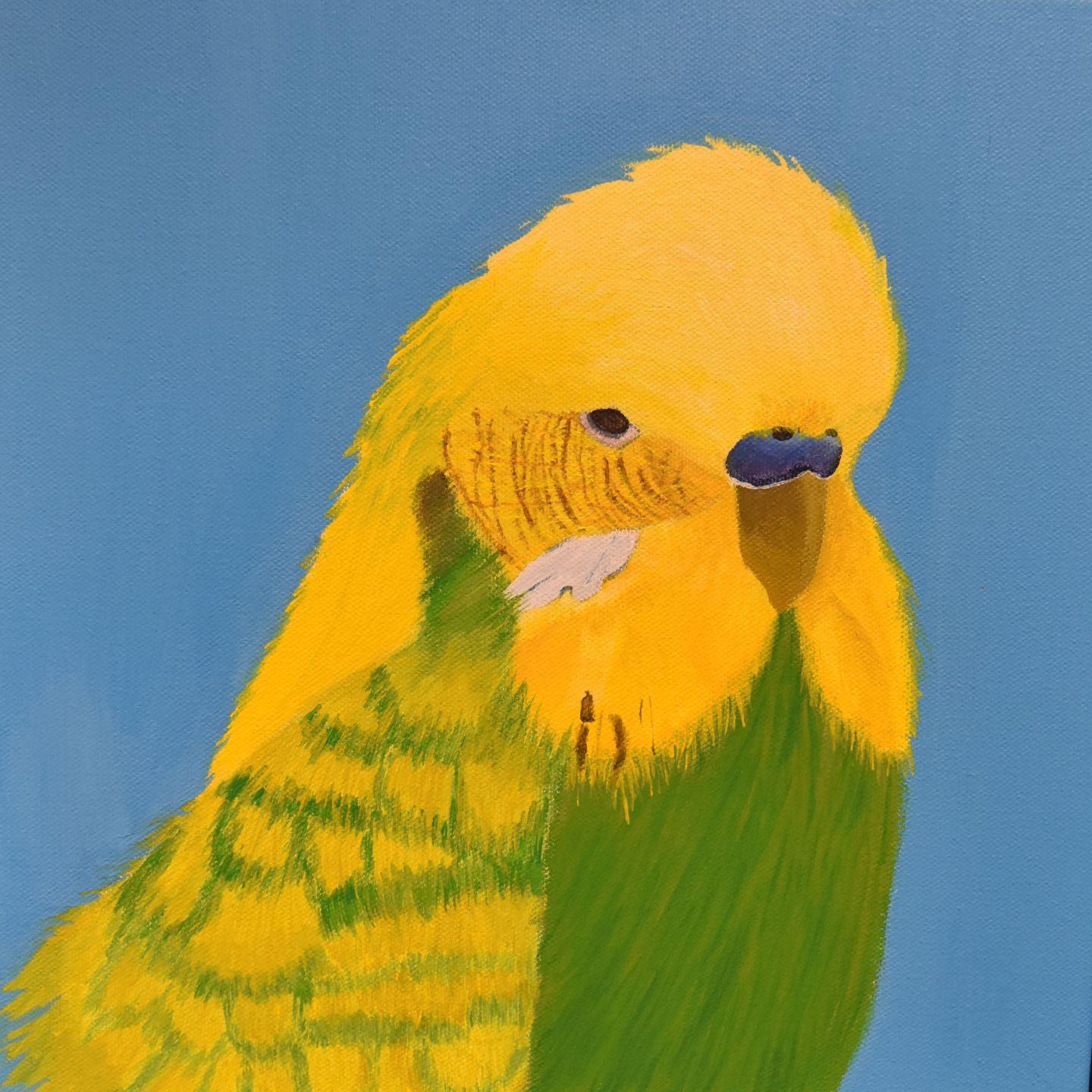
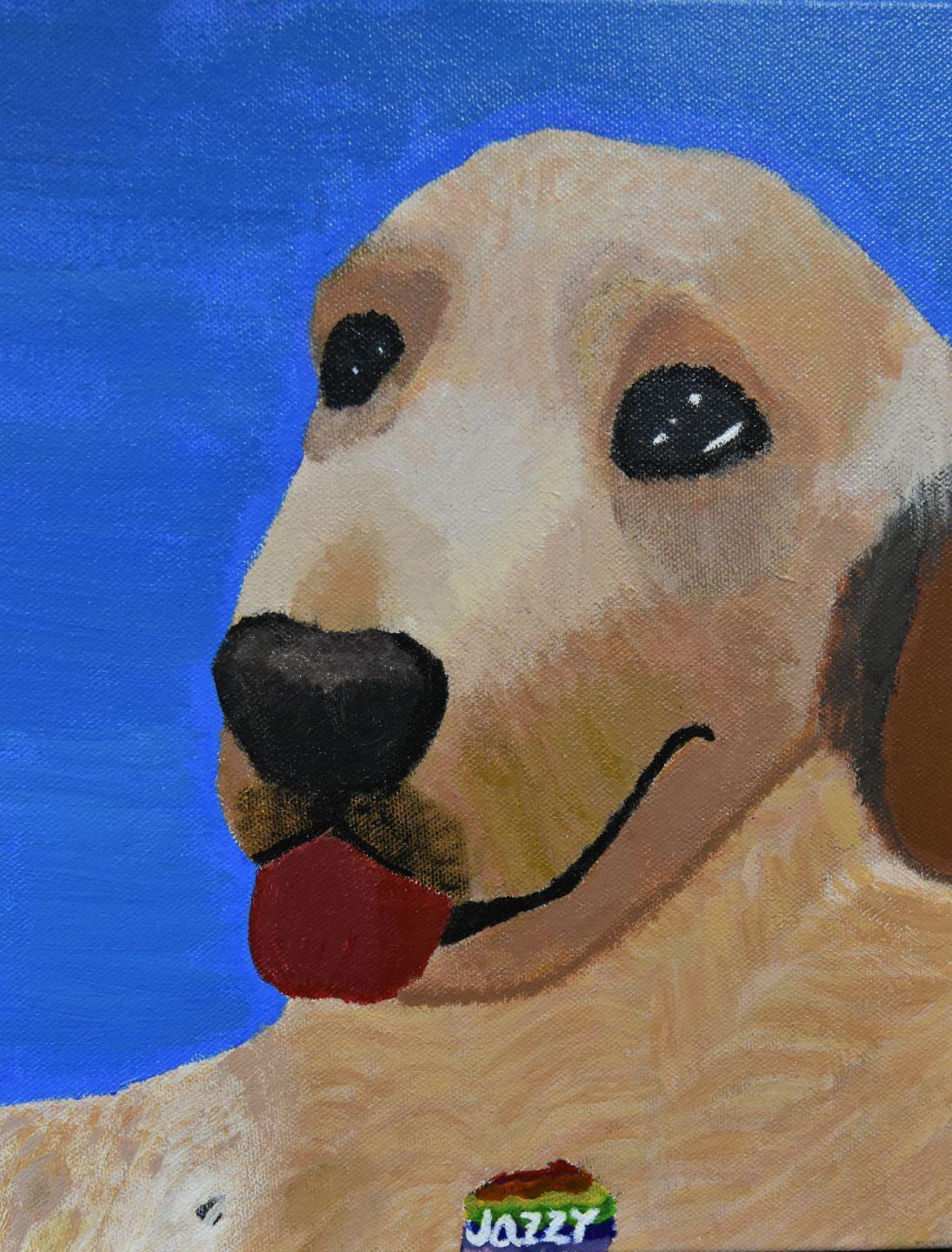
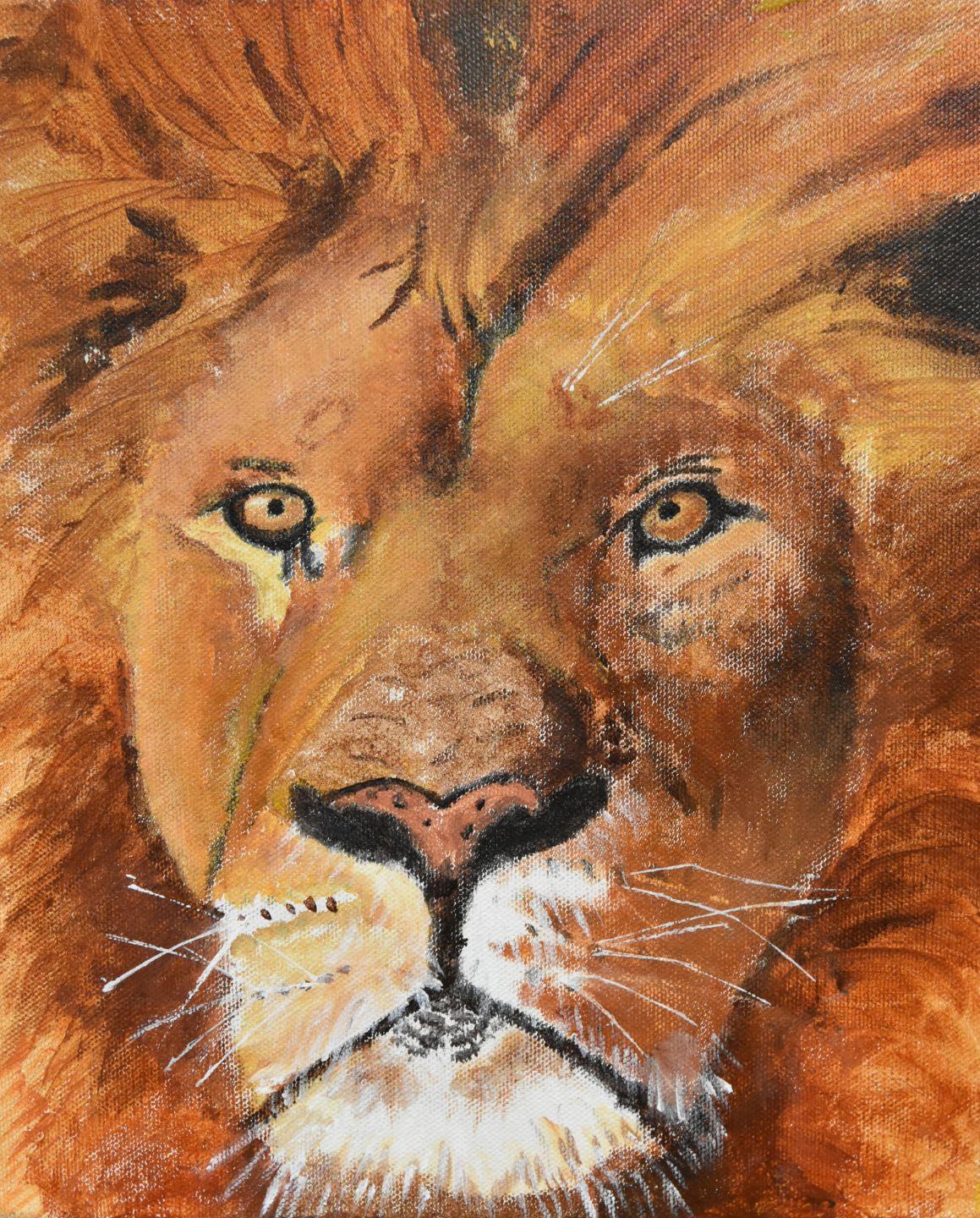
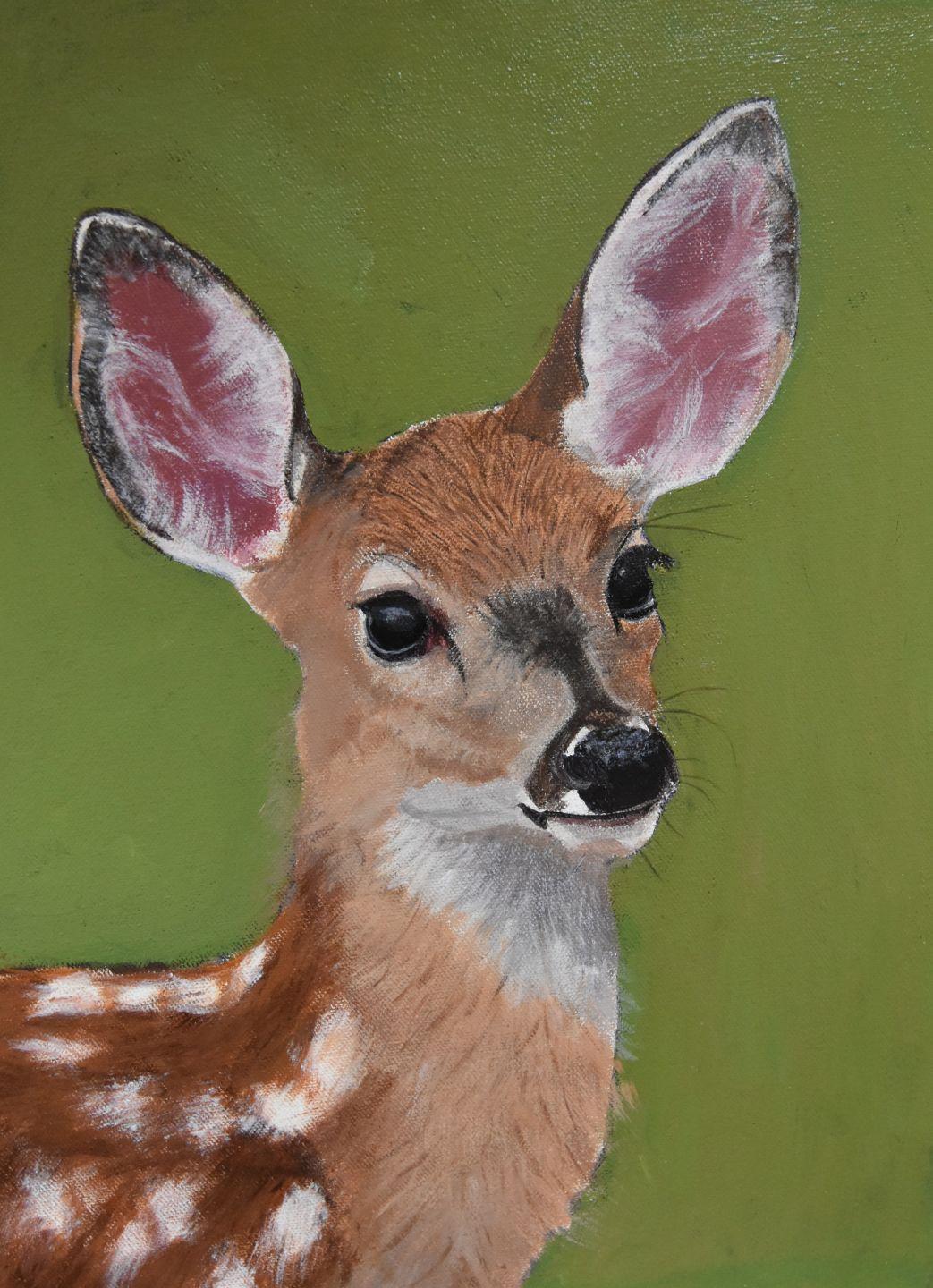
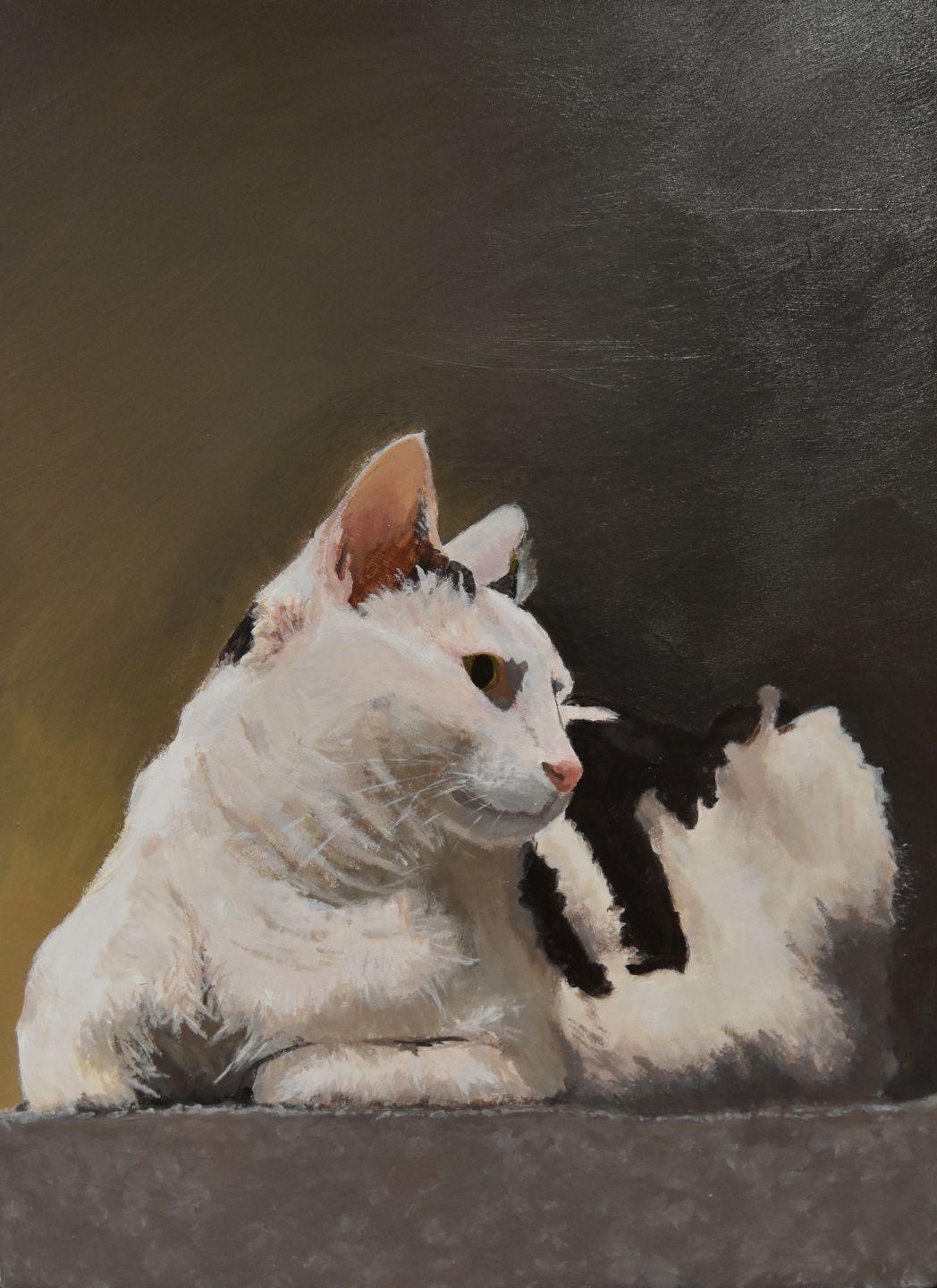
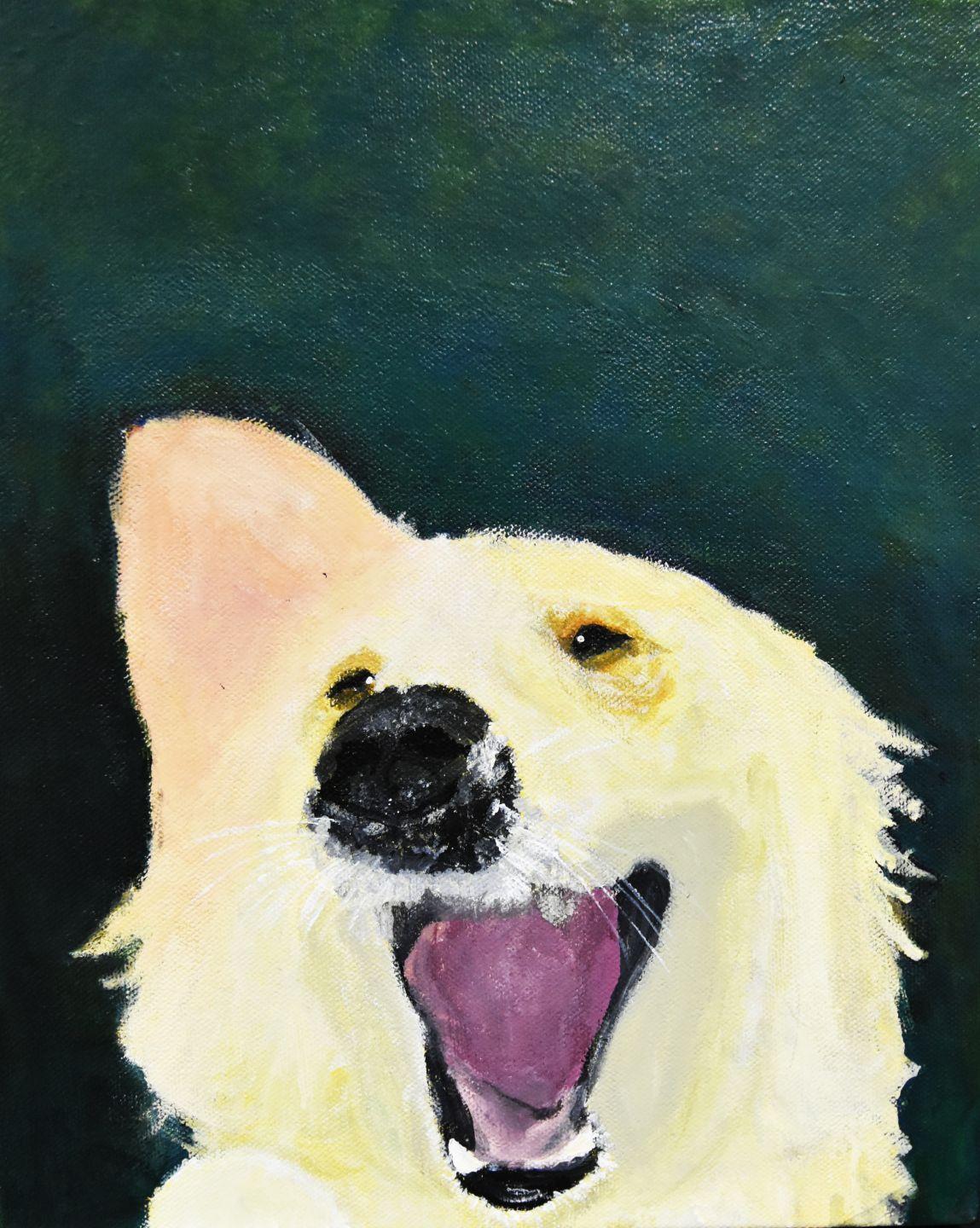
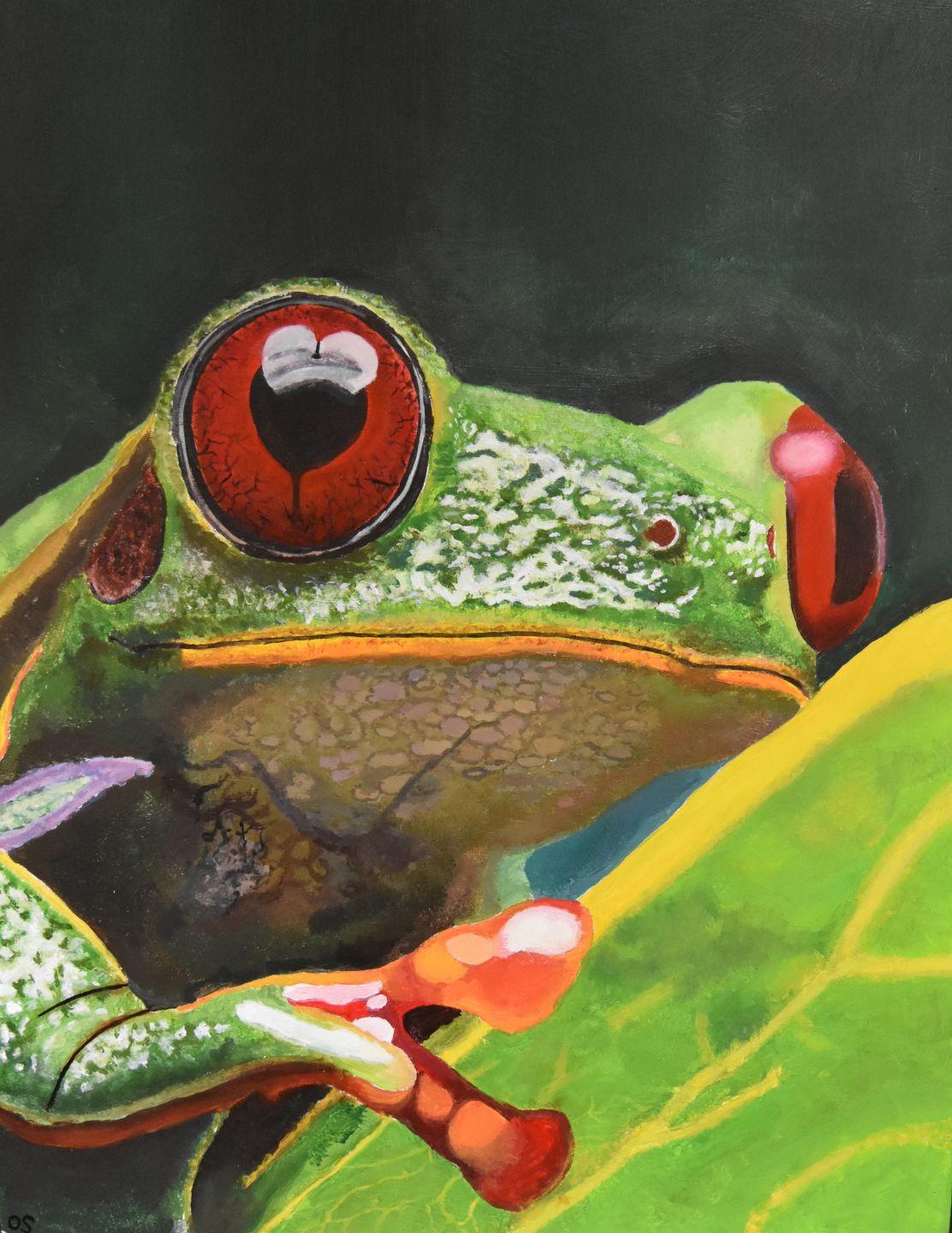
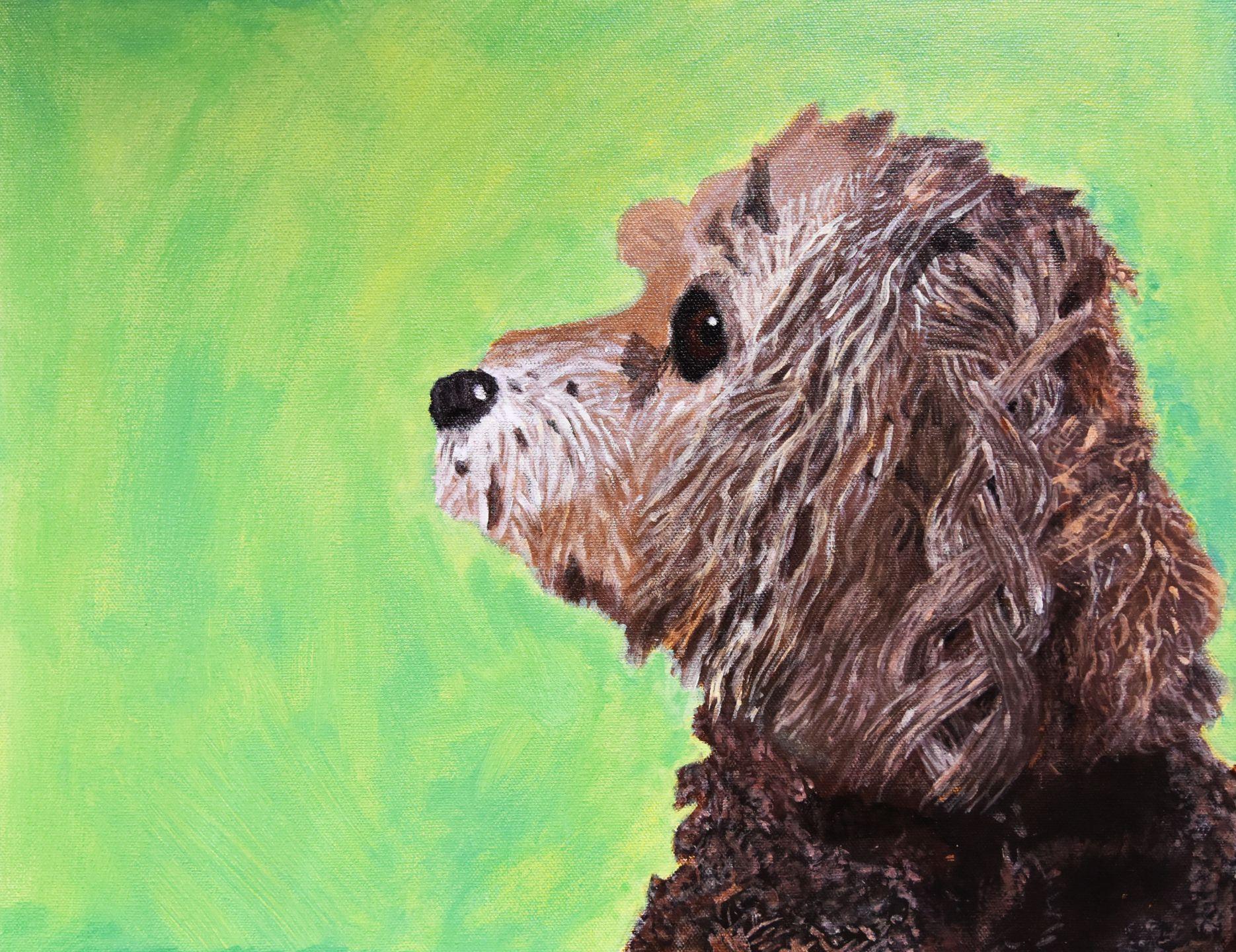
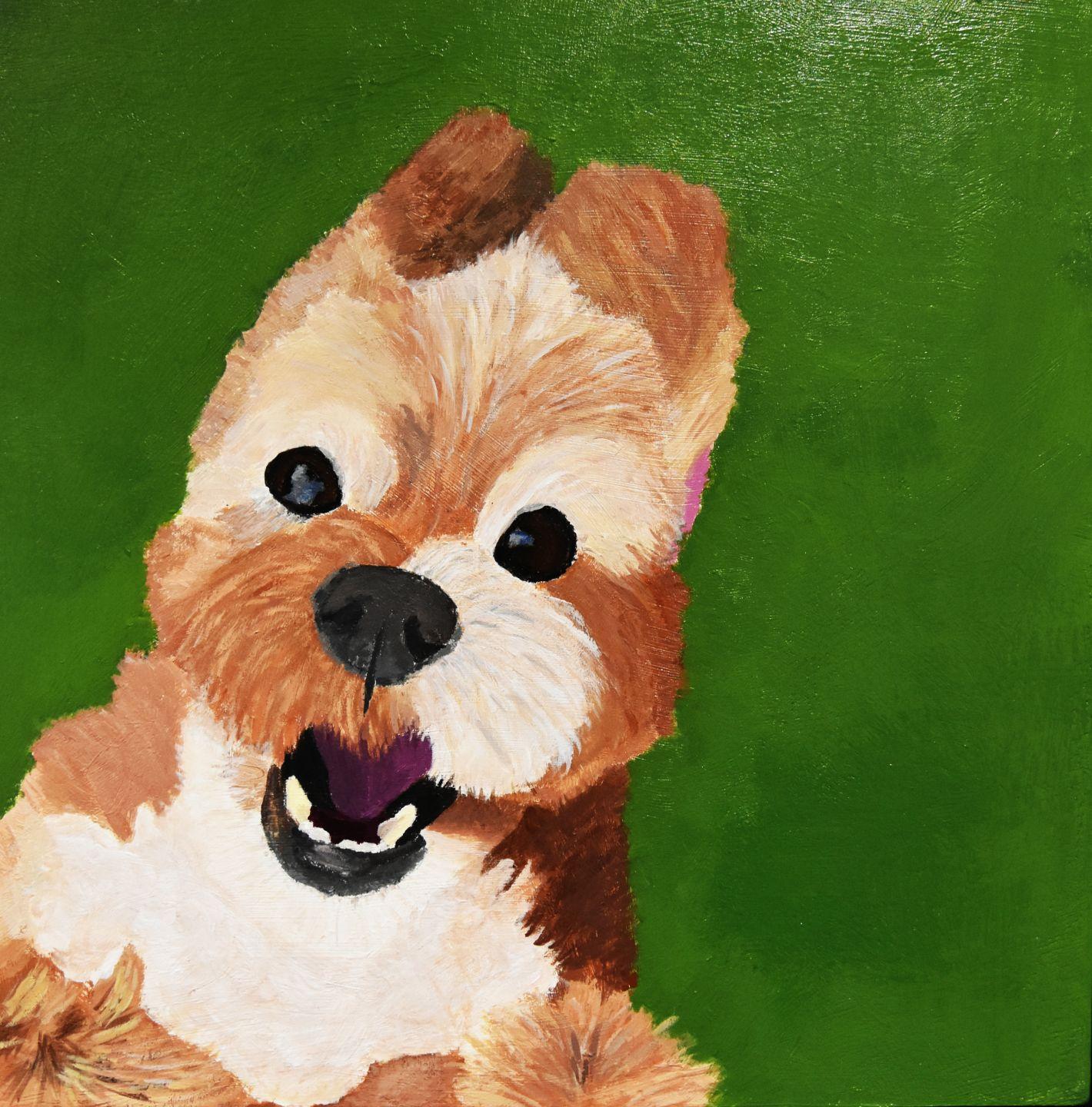
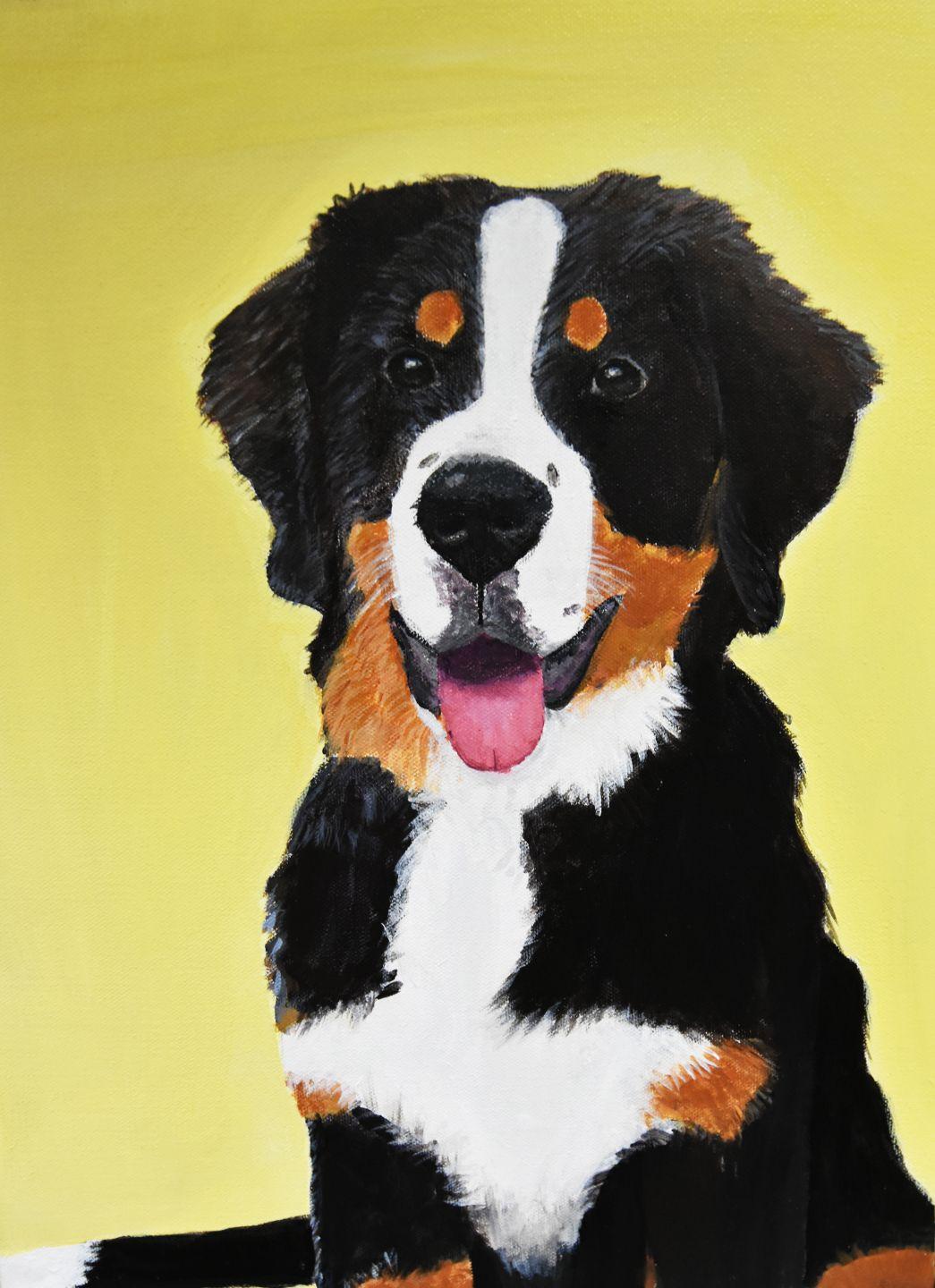
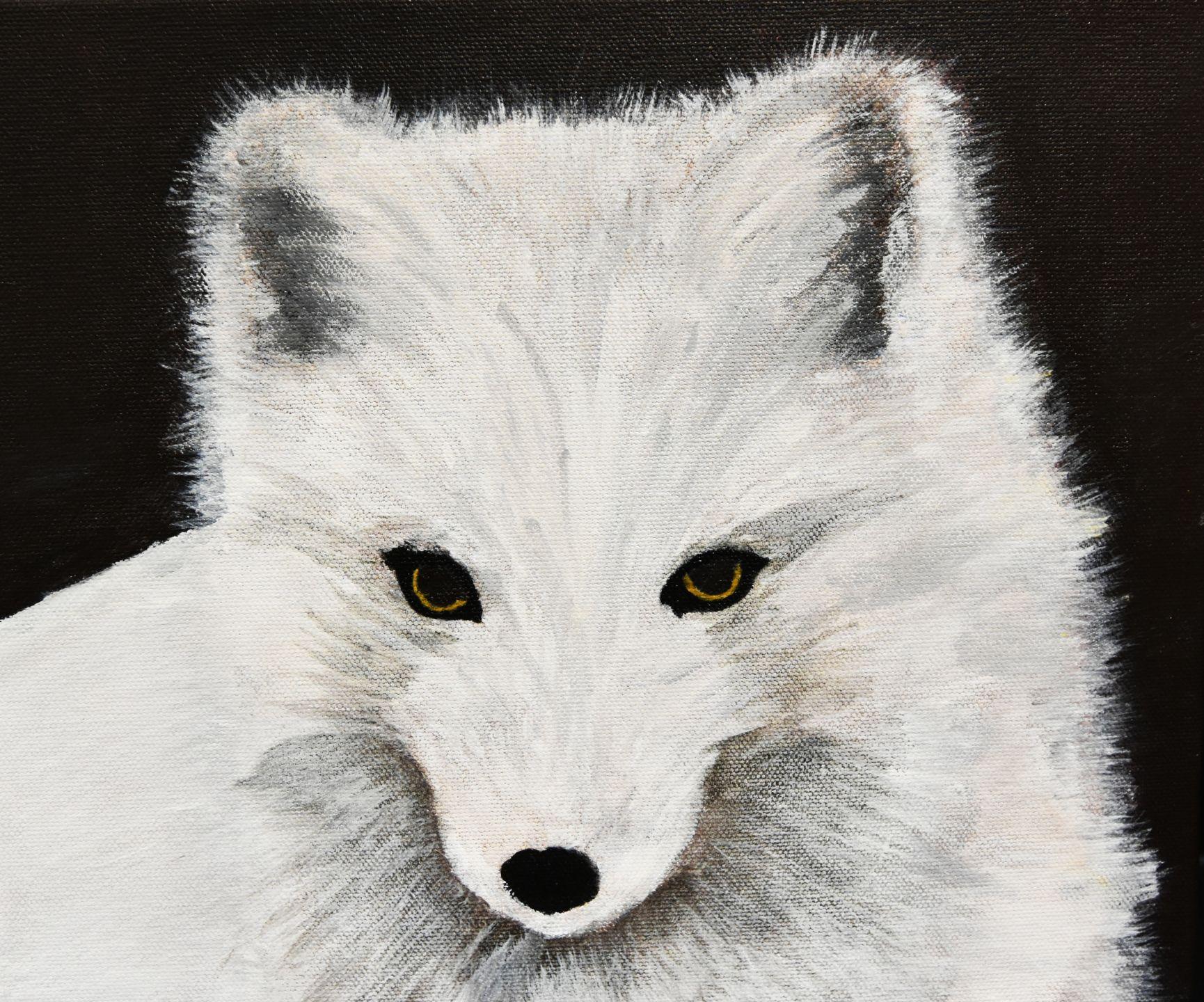
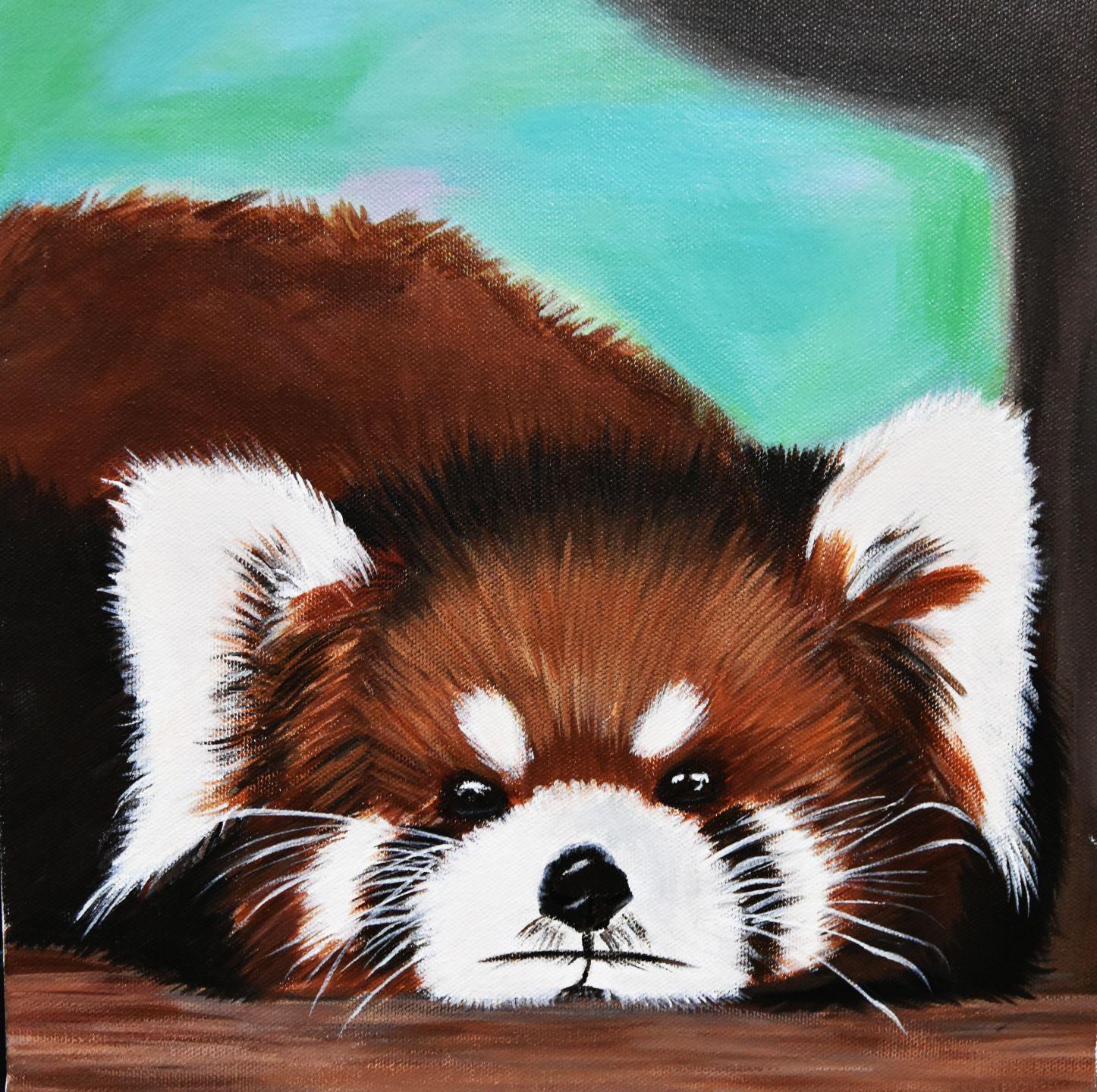
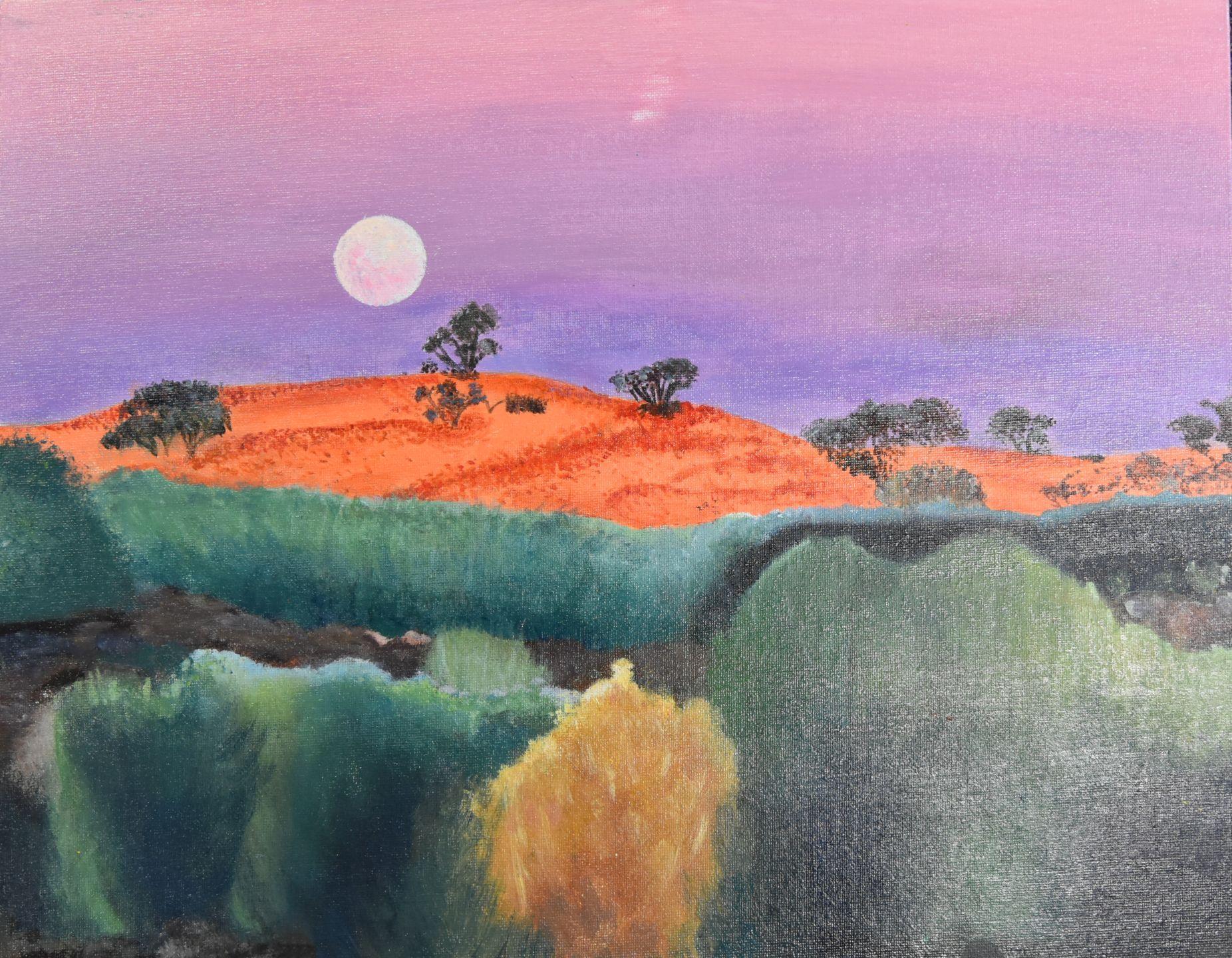
In this unit of work, students created an animal portrait using a range of acrylic painting techniques. They began by conducting a series of trials to explore colour mixing, the application of tone to describe form, and various methods of blending and creating texture.
Students then selected a reference image of an animal (many choosing to paint their own pets) and developed a final artwork on either wooden board or stretched canvas. The aim of the task was to achieve an accurate representation that remained true to the original image while demonstrating control of painting techniques.